

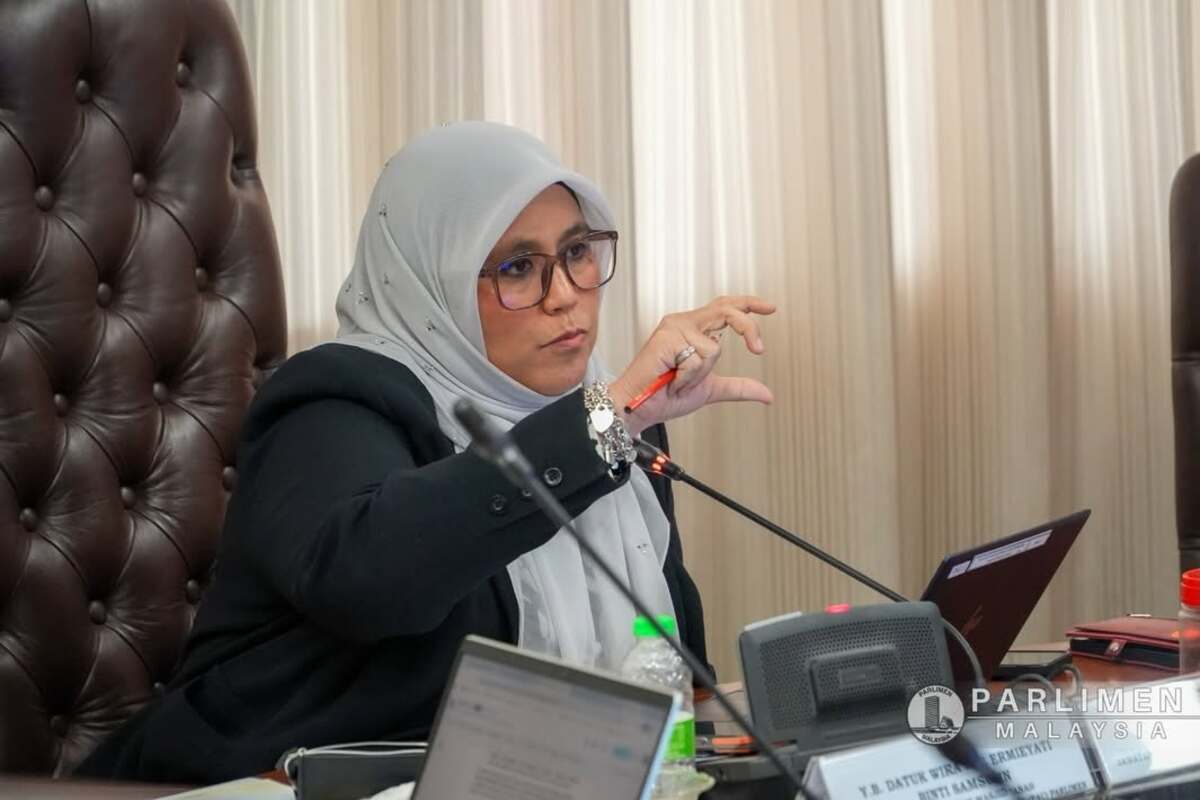
KUALA LUMPUR, Nov 17 — Parliament’s Public Accounts Committee (PAC) has criticised a MediAsas pilot for using a small and unrepresentative sample size and failing to test policyholders’ claims.
The pilot of the base medical and health insurance/takaful (MHIT) product, fully underwritten by insurance and takaful operators (ITOs) and designed by the government, recorded only 1,600 individuals who expressed interest.
This represented less than 0.1 per cent of the 9.9 million Malaysians who rely on private health care, according to PAC chairwoman Mas Ermieyati Samsudin, who is also Masjid Tanah MP.
In a statement today on its report on rising medical insurance premiums, private hospital charges, and their impact on public health, PAC said the pilot’s sample was limited to employees of government-linked companies (GLCs) and insurance companies who already had employer-provided coverage.
“More worryingly, the pilot phase has so far recorded no actual cases of patients being admitted to hospital or submitting claims (zero claims recorded),” Mas Ermieyati said.
This means the insurance product’s entire operational chain has yet to be tested in practice, the committee said.
PAC stressed that MediAsas should serve as a safety net for ordinary Malaysians, including informal sector workers, farmers, and fishermen, rather than being targeted merely at the middle-income group (M40).
According to Bank Negara Malaysia’s (BNM) FAQ last July on the MediAsas pilot, the product’s “no look-back” moratorium is a whopping seven years’ long before ITOs are prohibited from denying claims on the basis of undeclared pre-existing conditions.
Some insurance agents perceive this clause as a seven-year waiting period to submit claims, far longer than the conventional but unwritten two-year waiting period for other medical plans on the market.
The PAC said it had examined responses from the Ministry of Finance (MOF), Ministry of Health (MOH), and the central bank to 17 recommendations made in its original report, which was tabled in the Dewan Rakyat on June 24.
The report follows a session with the respective controlling officers on October 6.
The PAC also expressed concern over the postponement of amendments to the Private Healthcare Facilities and Services Act 1998 (Act 586) until the first quarter of 2028.
With the 15th Parliament due to automatically dissolve in December 2027, the amendment bill will have to be tabled by the government elected in the 16th general election, if it chooses to proceed with the Madani government’s proposed changes.
The parliamentary committee also called for greater transparency in defining what constitutes affordable medical care under MediAsas, including clearer details on deductibles, contribution limits, and copayments.
“The concept of ‘affordable’ medical care must be examined transparently, with clear details on deductibles, contribution limits, and copayments, to ensure that MediAsas does not fall into the same cost-inflation crisis currently affecting existing commercial insurance policies,” the PAC said.
“We urge the government to show strong will in complying with a timeline on the implementation of the initiative without compromise, just like the success of other high-impact projects across agencies.”
The PAC said it would continue monitoring initiatives under the government’s Reset strategy, particularly MediAsas, and summon controlling officers again if there were failures or delays in implementing its recommendations.
The continued oversight is intended to safeguard access to public health care, curb unreasonable increases in medical costs, and reduce the financial burden on Malaysians.
MediAsas is scheduled for public launch in January 2027. Even if the government-designed medical plan follows the conventional two-year waiting period, rather than seven years, the success or failure of MediAsas, in terms of claim approvals, can only be seen as early as 2029 under the government elected in GE16.
PAC further said BNM’s interim measure protecting 80 per cent of health insurance policyholders from premium adjustments exceeding 10 per cent was insufficient.
Regulatory protection should cover all policyholders, or 100 per cent of consumers, to ensure no group is left behind and burdened by sudden increases in contributions, the committee said.
The PAC urged BNM to tighten monitoring at the agent level and providers’ counters to ensure customers are transparently informed of their rights and alternative options.


