

KUALA LUMPUR, Oct 12 — Sabah has suffered a net loss of 244 medical officers (MOs) due to permanent appointments, most of which were in hospitals across the state.
Based on Sabah state health department (JKNS) data as of October 7, as sighted by CodeBlue, only 89 out of 269 MOs posted from outside the state reported for duty (33 per cent), whereas there were 171 no-shows (64 per cent) and nine deferrals (3 per cent). October 7 was the deadline to report for duty for permanent positions.
Another 242 MOs, who were already serving in Sabah and received permanent appointment offers in the same state, all reported for duty.
Overall, 331 out of 511 MOs offered permanent positions in Sabah reported for duty, or 65 per cent.
“This 65 per cent includes doctors who are already working in Sabah, both Sabahans and also those from Peninsula who wish to stay back,” a source told CodeBlue on condition of anonymity.
“The more concerning data is the number of MOs from the peninsula who were supposed to report in Sabah, where this data from JKN only shows 89 out of expected 269 turned up (33%)!”

Sabah faces a deficit of 244 MOs (219 in hospitals and 25 in public health [district health offices and public health clinics]) because 333 doctors transferred out of the state for permanent positions, but only 89 from outside Sabah reported for duty in that state.
In hospitals specifically, 271 MOs transferred out, whereas 52 came in from outside Sabah, causing a deficit of 219 doctors.
“Imagine suddenly losing 244 MOs in an already understaffed setting. It’s really bad,” the source told CodeBlue. “Many MOs are stretched to breaking point.”
All 24 government hospitals listed by JKNS suffered deficits of MOs, except for two. Tambunan Hospital benefited from a net gain of one MO (three transferred out, but four came in), while Kuala Penyu Hospital had no change (one transferred out and one came in).
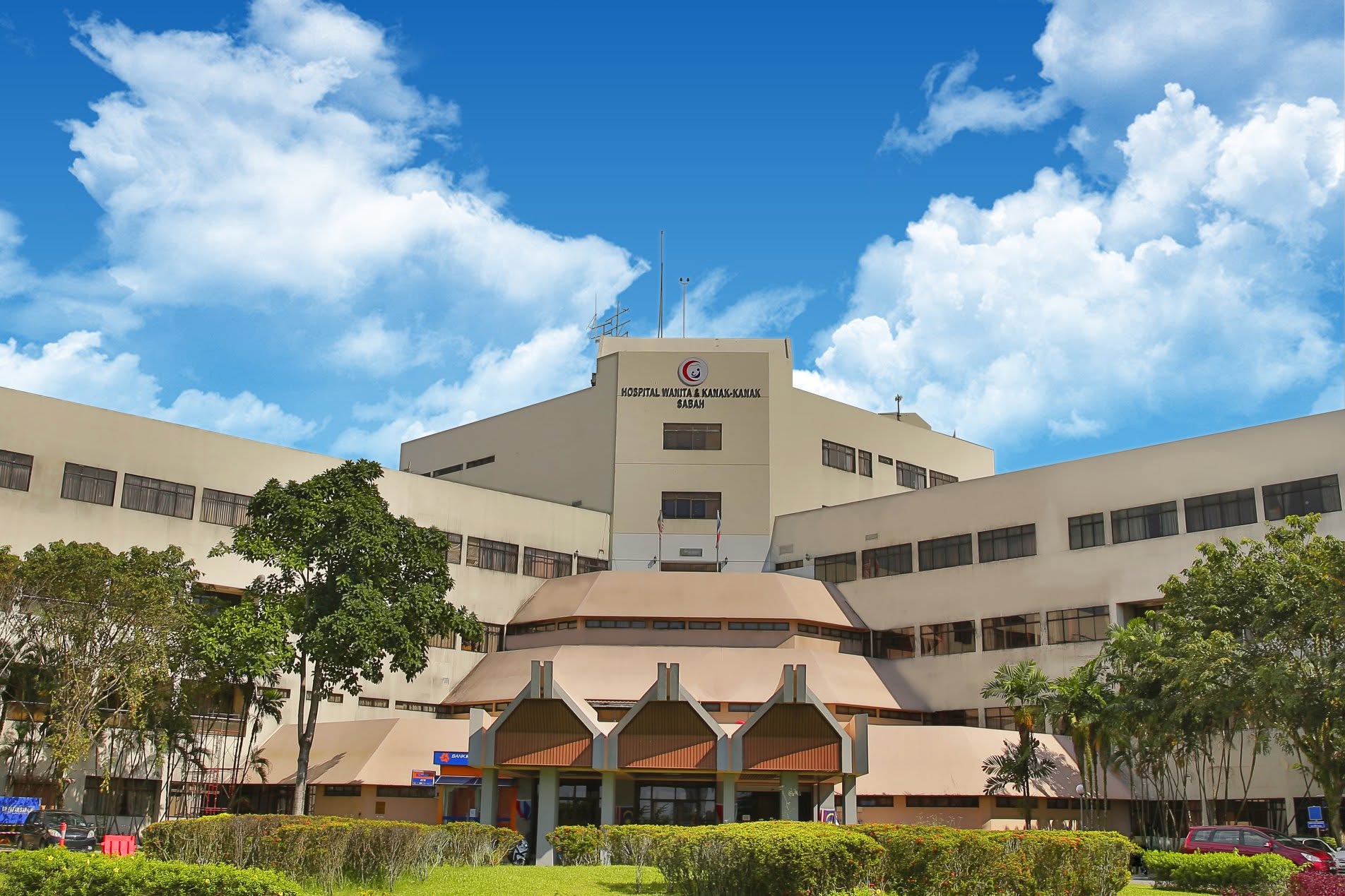
The top three biggest MO deficits were the Sabah Women and Children’s Hospital (HWKKS) that suffered a net loss of 36 doctors, followed by state hospital Queen Elizabeth Hospital (33), and Duchess of Kent Hospital in Sandakan (26).
Besides those three facilities, five other hospitals faced net losses of MOs in double digits: Tawau (23), Lahad Datu (19), Queen Elizabeth II (17), Keningau (13), and Tuaran (10).

Out of the 138 postings for Sabah hospitals from outside the state, there were 80 no-shows (58 per cent), 52 reported for duty (38 per cent), and six deferrals (4 per cent). Meanwhile, out of 131 public health postings in Sabah from outside the state, there were 91 no-shows (69 per cent), 37 reported for duty (28 per cent), and three deferrals (2 per cent).
Among postings from outside Sabah, five hospitals saw not a single MO reporting for duty, or 100 per cent no-shows of assigned postings on paper: Papar (one assigned posting), Tenom (five assigned postings), Sipitang (six assigned postings), Beluran (five assigned postings), and Kunak (four assigned postings).
Other high no-show rates in hospitals among postings from outside Sabah exceeding 50 per cent were Ranau (86 per cent), Beaufort (86 per cent), Tawau (80 per cent), Kota Belud (80 per cent), Pitas (80 per cent), Kinabatangan (80 per cent), Lahad Datu (67 per cent), and Kuala Penyu (67 per cent).
Tambunan Hospital was the only hospital where all four assigned postings from outside Sabah reported for duty in the facility.
The biggest MO deficits, or net losses, don’t necessarily mean that these facilities are the worst hit. Data on needs versus available manpower would show the operational burdens.

The JKNS data sighted by CodeBlue shows that a dozen government hospitals in Sabah were understaffed as of last October 7 (only these 12 facilities had data on needed manpower).
Five hospitals are running at below 60 per cent operational capacity: Ranau (45 per cent), Beluran (50 per cent), Kudat (56 per cent), Sipitang (56 per cent), and Kinabatangan (57 per cent).
Another seven hospitals are running at 80 per cent or higher operational capacity, though none met full operational capacity: Kuala Penyu (80 per cent), Tenom (87 per cent), Semporna (88 per cent), Pitas (88 per cent), Kunak (88 per cent), Kota Belud (92 per cent), and Tambunan (93 per cent).
Data on needed manpower wasn’t available for the hospitals with double-digit MO deficits.
The October 7 JKNS data had slight discrepancies with the data reported by Health Minister Dzulkefly Ahmad in Parliament on October 8.
According to JKNS data, 331 out of 511 permanent appointment offers in Sabah reported for duty (65 per cent), whereas the minister told Parliament that 336 out of 528 offers in the state reported for duty (64 per cent).
Based on JKNS data, the number of medical officers in Sabah dropped by 44 per cent from 3,908 in 2021 to 2,208 in October 2026.


