

KUALA LUMPUR, Oct 9 — The government has allocated subsidies of RM200 for MediAsas premiums in the first year for up to 200,000 workers in small and medium enterprises (SMEs) under Budget 2027.
Prime Minister Anwar Ibrahim, who is also the finance minister, said these subsidies for the government-designed basic medical insurance product will be provided to SMEs with fewer than 75 workers, limited to 50 workers per company. The subsidies are expected to benefit up to 200,000 workers.
“The government will launch the MediAsas plan in January 2027 at affordable prices,” said Anwar when tabling Budget 2027 in the Dewan Rakyat today.
“Through this plan, hospital payments will follow the diagnosis-related groups (DRG) system so that costs are more controlled and predictable. Employees Provident Fund (EPF) contributors under the age of 55 years are permitted to pay MediAsas premiums through their Sejahtera Account.”
MediAsas, or the government’s so-called “base” medical and health insurance/takaful (MHIT) product, has been touted to cost RM60 to RM65 a month.
Assuming that the RM200 government subsidy is for one year, not per month for 12 months, this means that a MediAsas policyholder who is charged RM720 per year will need to pay the remaining RM520 on a copay basis with the government.
Back-of-the-envelope calculations suggest that subsidies for MediAsas (assuming that it’s RM200 for one year) will cost the government RM40 million for 200,000 policyholders.
It’s unclear where the money is allocated; the MOH’s budget in the government’s Estimated Federal Expenditure document omits a MediAsas line item. MediAsas, in fact, isn’t mentioned anywhere in the entire Estimated Federal Expenditure document.
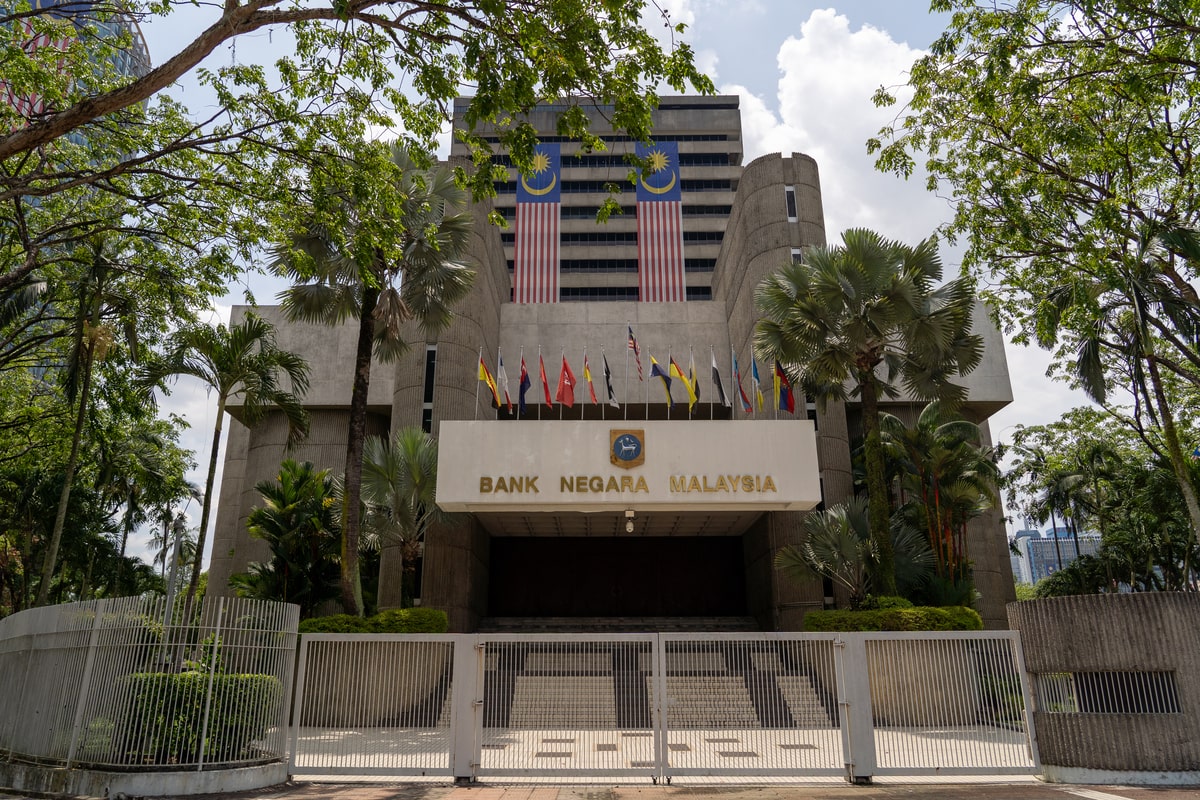
According to Bank Negara Malaysia’s (BNM) White Paper on the voluntary Base MHIT product, monthly premiums under the Standard Plan are targeted at RM80 to RM120 for those aged 31 to 35 and cheaper under the Standard-Plus Plan (with higher deductibles) at RM50 to RM70 for that age group.
MediAsas monthly premiums are expected to only exceed RM200 for retirees aged above 60.
The annual limits for MediAsas Teras are RM100,000 for policyholders aged 59 years and below, and RM150,000 for those aged 60 years and older, whereas MediAsas Fleksi’s annual limit is RM300,000.
Although designed by Putrajaya, MediAsas is offered by private insurance and takaful operators (ITOs), which means that government subsidies for premiums will go to these companies.
According to a BNM FAQ last July, MediAsas has 35 major exclusions, similar to other medical plans in the market, such as pre-existing conditions, congenital conditions, and mental disorders. As MediAsas is fully underwritten, ITOs can determine “insurability” of applicants, based on additional assessments if they declare pre-existing conditions.
Unnamed spokespeople from the central bank and MOH reportedly claimed at a media briefing last month that people with early-stage cancer in remission, single-vessel heart disease, certain mental-health and developmental conditions which are stable and well managed, and people with mild and moderate autism could qualify to purchase MediAsas.
However, treatment for those pre-existing conditions may remain excluded from MediAsas, with policyholders only able to claim for “unrelated” illnesses.
Anwar also announced price transparency for private hospital bills that would use uniform and transparent billing categories next year.
MOH’s e-CKAPS portal would also be developed for completely digital licensing of private health care facilities, targeting a 65 per cent reduction in processing times.
The prime minister further announced an increase in allocations for outsourcing to private hospitals to RM200 million, including an expansion in the scope of the programme to expanded newborn screening, prenatal genetic testing, and rehabilitation.
Sessional arrangements for specialist doctors retired from government and private specialists would be increased.
Budget 2027 also allocated funding for fertility treatments for 2,000 couples and male welfare services for 42,000 individuals, besides continuing the mySalam programme next year.
Free thalassemia screening would be expanded to husbands and children of carriers.
The government’s Medical Assistance Fund was increased to RM60 million.


