

KUALA LUMPUR, Oct 9 — ProtectHealth Corporation Sdn Bhd has welcomed the allocations announced under Budget 2027 to strengthen preventive health care for lower-income Malaysians and to reduce waiting times in public hospitals.
Budget 2027 has allocated RM80 million for PeKa B40, which offers free health screening, medical equipment assistance, and cancer treatment incentives to Sumbangan Tunai Rahmah (STR) recipients and their spouses aged 40 and above.
It also raises the allocation for outsourcing public hospital patients to RM200 million.
This supports the Hospital Services Outsourcing Programme (HSOP), which enables eligible Ministry of Health (MOH) patients to receive selected treatments and services at participating private health care facilities.
The allocations will support ProtectHealth’s continuing role in expanding access to care across both preventive and hospital services.
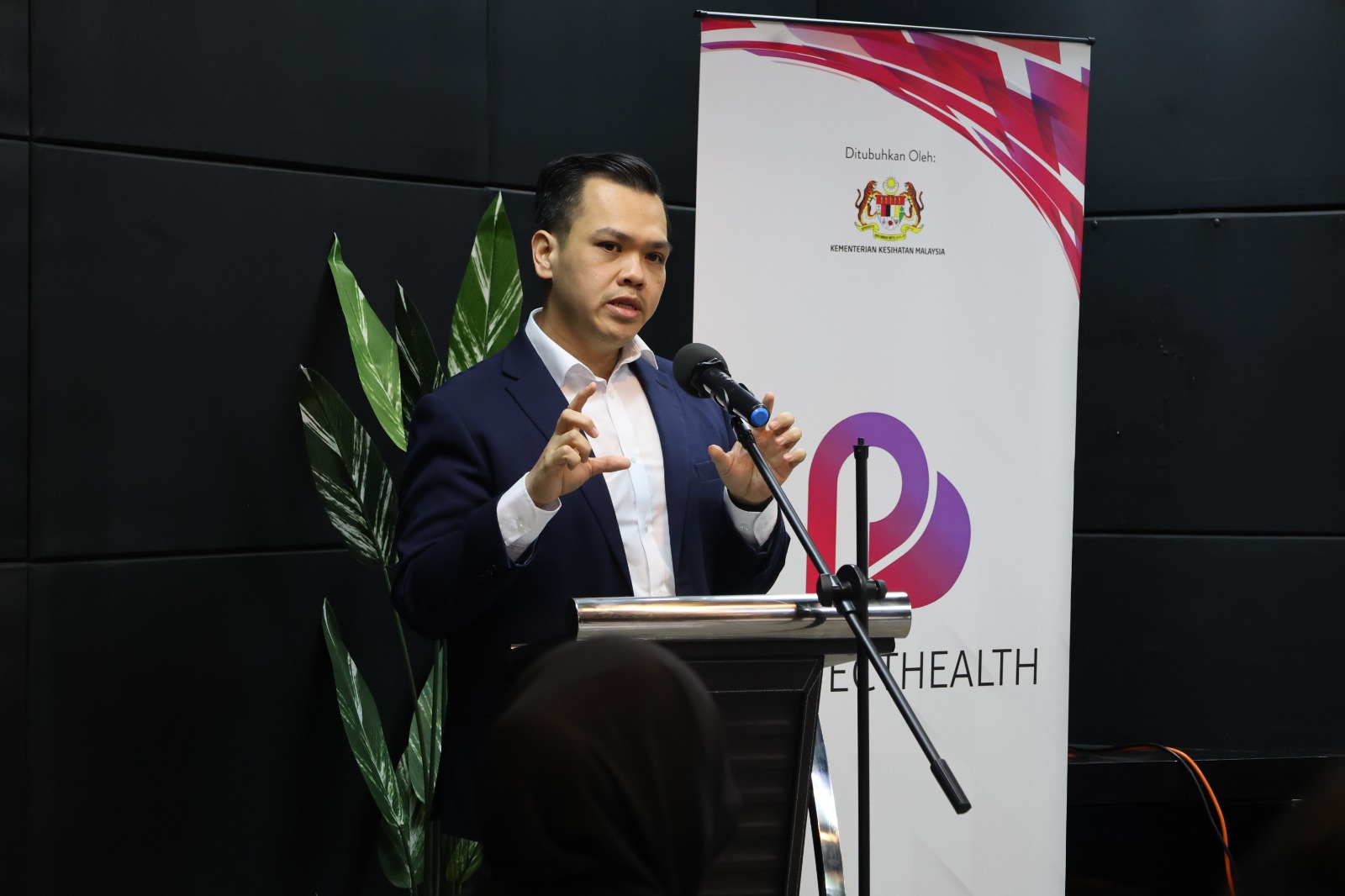
“These allocations reinforce the importance of both programmes and give us the opportunity to build on what they have achieved,” said Wan Mohd Hazwan Wan Mohd Najib, Chief Executive Officer of ProtectHealth.
“We thank Prime Minister Anwar Ibrahim, the Madani government, and the MOH for its continued trust in ProtectHealth to administer these programmes.”
Introduced by the MOH in April 2019 and administered by ProtectHealth, the PeKa B40 programme supports the health care needs of lower-income Malaysians, with a particular focus on non-communicable diseases.
The programme offers four complementary benefits: health screening, medical equipment assistance, an incentive to complete cancer treatment at MOH hospitals, and transport support for eligible treatment.
Medical equipment assistance includes items such as hearing aids and intraocular lenses, subject to clinical need and programme requirements. From its introduction in 2019 to August 31, 2026, PeKa B40 benefits have reached more than 2.22 million Malaysians.
“Budget 2027 is also an opportunity to strengthen public-private partnership in preventive health care.
“Through ProtectHealth’s network of 5,909 private general practitioners, 150 MOH hospitals, 133 private hospitals and 227 laboratories, we can reach more eligible Malaysians.
“Our providers are essential to turning this investment into better care. We encourage every participating clinic to make screening a priority and to help eligible patients understand their health and the support available to them.
“Ultimately, the success of these initiatives depends on strong collaboration between the public and private sectors to translate government investment into meaningful health outcomes for the rakyat,” added Hazwan.
Beyond preventive care, the increased allocation for HSOP will help ease pressure on public hospitals and clinics.
Eligible patients referred by MOH specialists can receive selected services at participating private health care facilities, which reduces waiting times and makes better use of capacity across the system.


