

For decades, respiratory syncytial virus (RSV) was seen as a paediatric problem, a virus that filled wards with wheezing infants each monsoon season. But RSV does not spare the elderly.
In Malaysia, RSV accounts for 16.3 per cent of viral community-acquired pneumonia in adults, with a median age of 68 years and a median hospital stay of six days. The case fatality rate for adults over 65 is 17 times that of children under five.
This is not a mild cold. It is a serious, under-recognised threat to Malaysia’s ageing population.
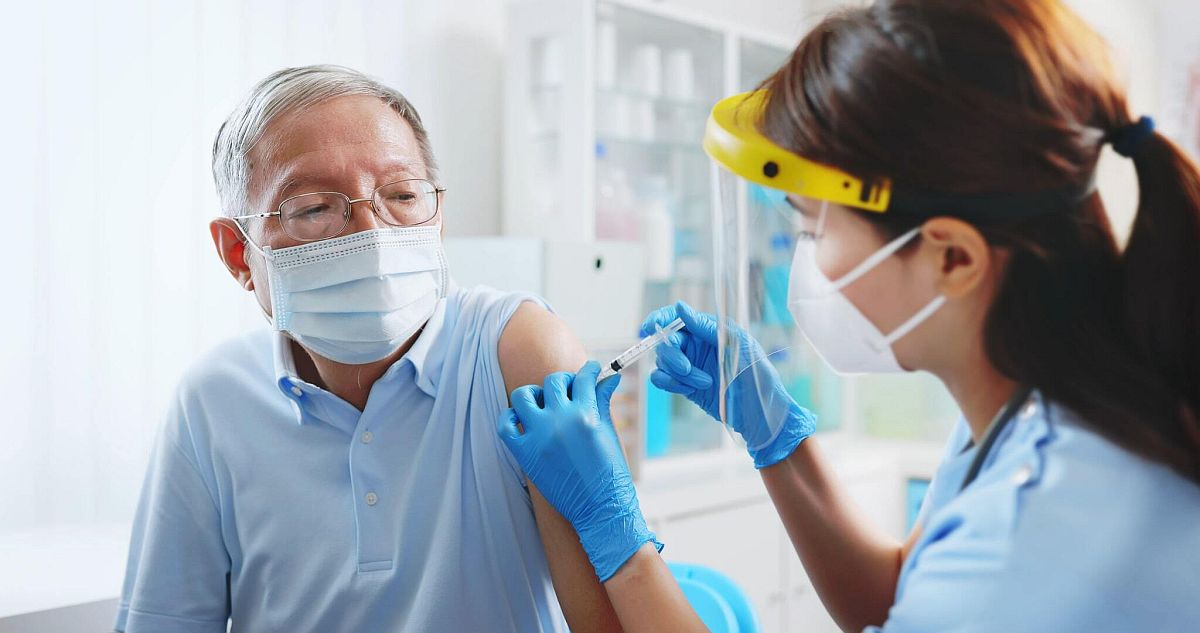
The good news is that we now have powerful tools to prevent it. A growing body of real-world evidence — not just clinical trial data — confirms that RSV vaccines are highly effective in older adults.
A meta-analysis of four studies found pooled effectiveness of 77.9 per cent in preventing RSV-related emergency department visits and 79.6 per cent in preventing RSV-related hospital admissions.
A study from the United Kingdom found a 62.1 per cent reduction in RSV-related hospital admissions during the 2024/2025 season compared with the previous year.
In the United States, vaccine effectiveness against critical illness — ICU admissions and/or in-hospital deaths — was 81 per cent. Crucially, protection was consistent across vaccine types and age groups: 81 per cent for those aged 60 to 74 and 79 per cent for those aged 75 and above.
These are not marginal gains. They prevented thousands of emergency department visits, hospitalisations, ICU admissions, and deaths.
Safety data are equally reassuring. The most common reported mild adverse events are injection site symptoms (30.0 to 33.5 per cent) and mild, transient systemic symptoms like fatigue or muscle pain (26.0 to 29.8 per cent).
A US study found no association between RSV vaccination and new-onset or recurrent atrial fibrillation.
The main safety signal that continues to be monitored is Guillain-Barré syndrome (GBS), but the available data remain reassuring. In a US self-controlled case series of 3.2 million vaccine recipients, an estimated attributable risk of about 6.5 – 9 cases per million doses was reported.
A separate US surveillance study found even lower estimates: 1.8 – 4.4 cases per million doses. In other words, GBS remains a very rare event. It is also a known, though even rarer, adverse event after influenza vaccination—fewer than one case per million doses.
Without the vaccination, it occurs more commonly, 17 per million cases of natural influenza. For adults, especially older adults and those with underlying health conditions, the far greater and more immediate risk is severe RSV disease.
Overall, the RSV vaccines have a reassuring safety profile, and any possible small GBS risk is greatly outweighed by the protection they provide against serious RSV illness
Why is this life-saving vaccine failing to reach older Malaysians at scale? The barriers are rooted directly in our health care ecosystem’s current setup:
Prohibitive Out-of-Pocket Costs: While influenza shots are already a stretch for many, the two adult RSV vaccines (Arexvy and Abrysvo) range from RM850 to RM1,888 per dose in private facilities.
For a retiree relying solely on EPF savings or a modest government pension, this single jab can swallow a massive portion of their monthly budget.
Because it is not subsidised under the public health care system, it remains an exclusive privilege for the affluent, leaving the majority of vulnerable elderly unprotected.
Low Awareness and Unaddressed Hesitancy: Most older Malaysians — and even their primary caregivers — have never heard of RSV, often confusing it with a common flu or demam biasa.
Among those who have, post-pandemic vaccine fatigue and misinformation linger. Without proactive guidance from trusted government doctors, physicians and GPs, safety concerns go unaddressed.
Invisible Disease Burden: Unlike dengue or Covid-19, RSV is not systematically tracked in our public surveillance systems.
Without routine viral testing in government/private clinics and hospitals, severe RSV cases in the elderly are routinely misdiagnosed or logged simply as community-acquired pneumonia or exacerbations of underlying heart and lung conditions.
What is unmeasured gets ignored by policymakers.
National Pharmaceutical Regulatory Agency (NPRA) approval of RSV vaccines for adults aged 60 and above (and high-risk 50-plus) is a step forward, but registration does not equal access.
We need the medical fraternity and the Ministry of Health (MOH) to formulate a clear national adult immunisation policy. Integrating RSV vaccination into our national healthy-aging framework and non-communicable disease (NCD) management — alongside diabetes and hypertension care — is critical to protect high-risk senior citizens.
For health care providers, the call to action is urgent: do not wait for patients to ask. In our local culture, older adults heavily rely on and trust their doctor’s authoritative word. If a medical professional does not explicitly recommend the vaccine during a routine check-up, the patient assumes they do not need it.
For an elderly Malaysian living with heart disease, Chronic Obstructive Pulmonary Disease (COPD), or diabetes, an RSV infection is rarely “just a cold”: it is often the silent trigger for severe respiratory distress, ICU admission, and loss of independence.
Our senior citizens spent their working lives building this nation. They deserve equitable protection, not a financial barrier that keeps life-saving preventive care out of reach. The MOH and the medical community must act now, before the next monsoon season overburdens our public hospital wards once again.
Dr Musa Mohd Nordin is a paediatrician at Damansara Specialist Hospital, and Dr Ahmad Faizal Mohd Perdaus is a chest physician at Damansara Specialist Hospital.
- This is the personal opinion of the writer or publication and does not necessarily represent the views of CodeBlue.


