

KUALA LUMPUR, July 16 — The Public Service Department (JPA) has rejected the Ministry of Health’s (MOH) request for further relaxation of Annual Performance Appraisal Report (LNPT) requirements for subspecialty training this year.
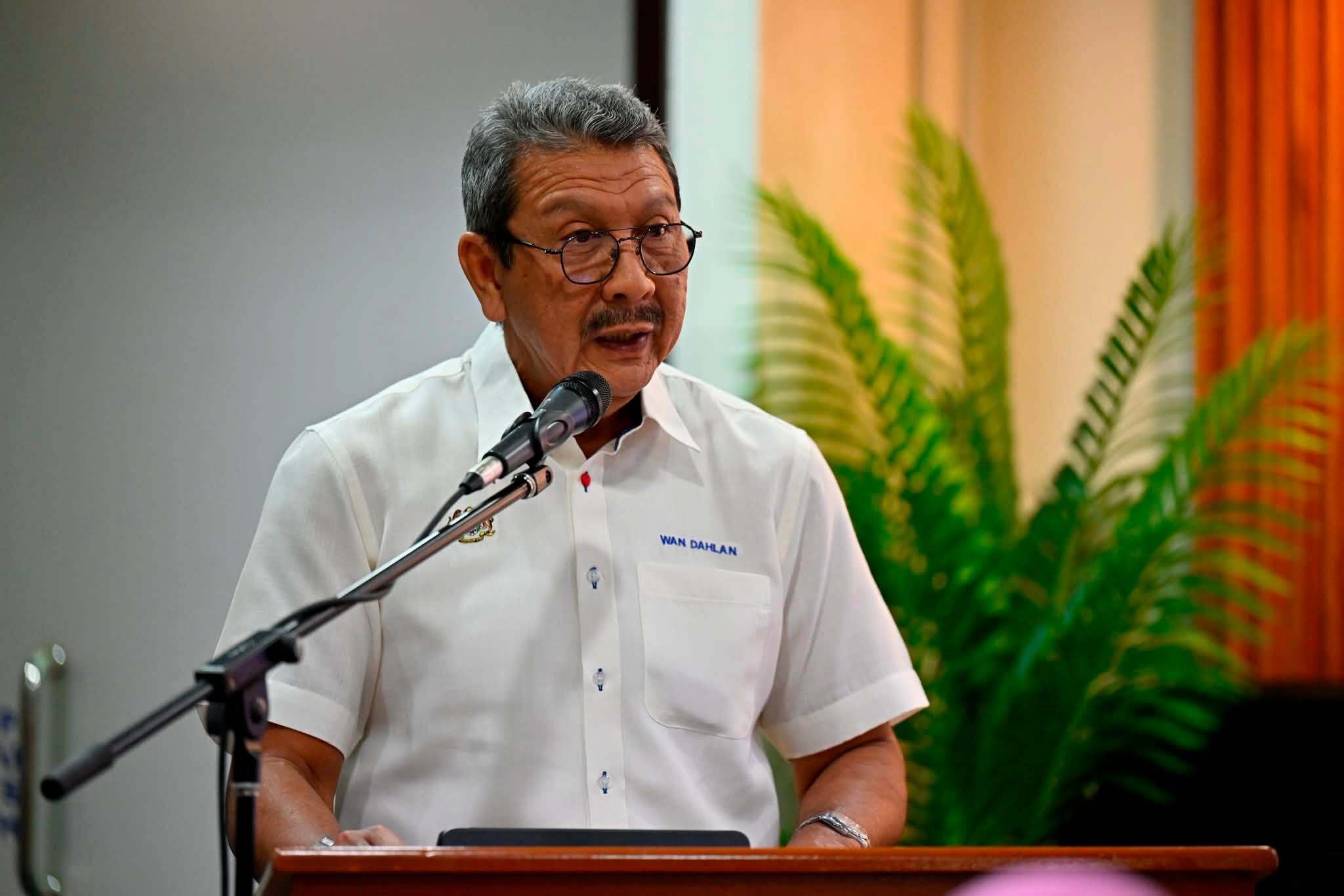
Public Service director-general (KPPA) Wan Ahmad Dahlan Abdul Aziz said JPA had already given special consideration by permitting performance evaluations during the Supervised Work Experience (SWE) period to be added to two years’ post-gazettement evaluation, without being subject to a condition of 12 calendar months.
That allowed the MOH to add 35 specialist doctors for the 2026/2027 subspecialty training intake that commenced last July 1.
“This department has examined the issue and believes that your application to further relax LNPT requirements cannot be considered for the following reasons,” wrote Wan Ahmad Dahlan in a July 13 letter to Health director-general Dr Mahathar Abd Wahab, as sighted by CodeBlue.
The KPPA listed six reasons:
- Advertising of offers for the 2026/2027 intake of the MOH’s subspecialty training programme (Tawaran C) clearly stated the requirement for officers to achieve an average minimum 85 per cent LNPT score for the last three consecutive years (2022, 2023, 2024) and yearly LNPT evaluations must be a complete 12 months.
- Special considerations will create injustice and discrimination against officers who did not apply due to compliance with LNPT requirements that were stated in advertisements.
- Performance evaluation is the main “ticket” in screening the eligibility of public officers to receive various facilities in service, especially facilities that incur large financial implications. Facilities in service are not a public officer’s absolute right; eligibility for these must be considered based on set conditions.
- The requirement for three years’ performance evaluations is intended to evaluate an officer comprehensively and isn’t solely limited to a specialist medical officer’s clinical competencies. The officer must serve an appropriate period in the context of maturity of thought and leadership, besides increased competency in their clinical skills, before they can receive subspecialty training facilities.
- Medical officers who have yet to be gazetted as specialists on the National Specialist Register (NSR) already receive the pre-gazettement specialist incentive payment (BIPPW) that is of equal value to the specialist incentive payment (paid after gazettement). This existing structure must be appropriately balanced with an officer’s commitment to serve as a specialist doctor before demanding relaxation of subspecialty training requirements.
- The concentration of training reserve posts (JSL) involving officers who receive study leave facilities is monopolised by medical officers. JSL management must take into account competency development needs by the paramedic and auxiliary service who act as one team and provide comprehensive support to the health service.
“In line with that, this Department is of the opinion that our decision as per our letter dated June 19, 2026, remains and is appropriate for this intake,” said Wan Ahmad Dahlan.
“The remaining unfilled intake slots can be brought forward to next year to give equal opportunity to other candidates who are more prepared to fulfil evaluation requirements.”
The MOH said in a statement last June 20 that 123 applicants had submitted appeals against rejections for this year’s subspecialty training intake, including 20 who were part of a group of 50 candidates under review, following JPA’s June 19 decision.
The remaining 115 candidates who appealed were found not to fulfil general or specific requirements set by their respective specialties, according to MOH.
“Therefore, it’s inaccurate to make it seem as if all 123 applicants were eligible candidates but failed to receive offers simply because of the LNPT issue,” said the MOH then.


