

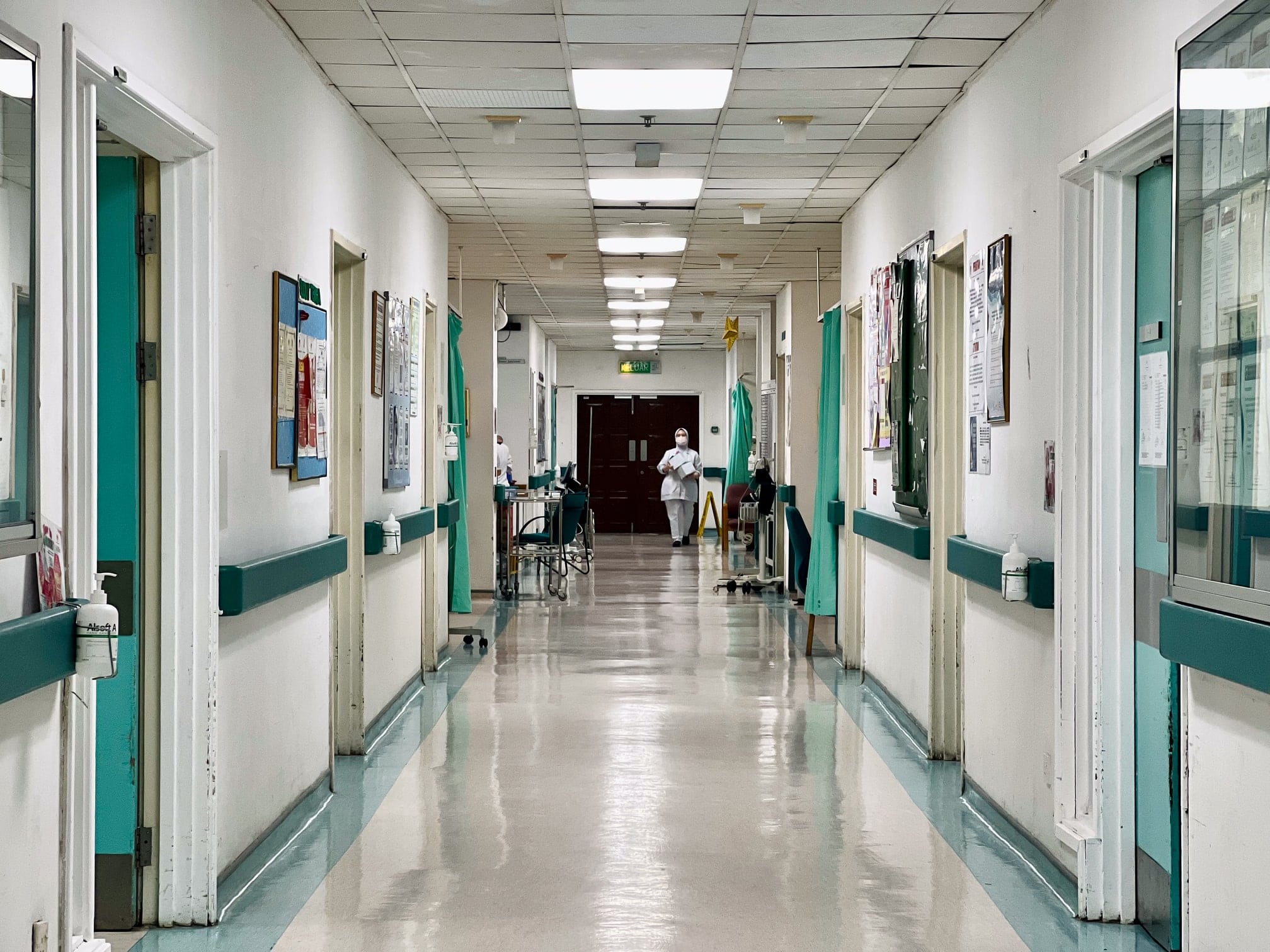
KUALA LUMPUR, July 27 — Nursing vacancies in the Ministry of Health (MOH) have been rising at a faster rate this year compared to last year.
Health Minister Dzulkefly Ahmad told Senator Dr RA Lingeshwaran in a written Dewan Negara reply last Thursday that there were 15,587 vacancies for nurses in the health service as of March 31, 2026.
Previously, the MOH reported 14,792 vacancies in September 2025 and 14,731 vacancies on December 31, 2024.
In just six months between September 2025 and March 2026, the MOH reported an additional 795 nursing vacancies.
This is much higher than the 61 additional vacancies reported in nine months between December 2024 and September 2025.
The larger increase in vacancies for nurses this year could be due to either resignations or the opening of new positions in public health care facilities.
Dzulkefly also told Dr Lingeshwaran in Parliament that the MOH reported 2,901 vacancies for assistant medical officers (AMOs) as of March 31, 2026.
“For the nursing scheme, 479 ILKKM graduates in June 2026 will be raised to the central agency for offers of permanent appointments, with the enforcement date expected to be in September 2026,” he said.
“Whereas for the assistant medical officer scheme, 1,962 graduates from ILKKM and private higher educational institutions, who were appointed on a contract basis during the Covid-19 pandemic, are currently serving in MOH health care facilities.”
According to the health minister, U5 nurses are now given permanent appointments as they are exempted from interim contract appointments.
The MOH also increased the capacity of nursing diploma intakes at ILKKM to 3,000 trainees last year.
Dr Lingeshwaran, however, described the nursing and AMO vacancies as a “very worrying crisis”.
“The current recruitment rate does not appear to be commensurate with the magnitude of this shortage. Although the MOH is processing the permanent appointments of 479 ILKKM graduates this September, this number fills only about 3 per cent of the total nursing vacancies. We cannot solve a shortage of 15,000 staff by appointing only 479 people at a time,” he said in a statement.
“The MOH has increased the annual intake for the Diploma in Nursing programme to 3,000 trainees starting in 2025. However, these trainees will only join the workforce after completing three years of study. Taking into account the current vacancy rate and existing retirements, an annual intake of 3,000 trainees may still be insufficient to close the deficit by 2028 and beyond.”
He added that the health service risked losing AMOs to the private sector or overseas if the MOH continued to practise staged permanent appointments for the 1,962 contract medical assistants.
The senator called for immediate permanent appointments of the 1,962 contract AMOs.
He also urged the MOH to expedite approval for an exemption from the service scheme requirements so that Bachelor of Nursing graduates can be directly appointed to Grade U5 positions, thereby utilising the existing talent pool while simultaneously ensuring an adequate number of Grade U9 nursing positions are available.
Dr Lingeshwaran further suggested retention bonuses for health care workers posted to critical locations like rural areas or facilities with high work burdens or vacancy rates.
He also suggested the use of nursing robots.
“We cannot wait until 2030 to achieve workforce stability. The Ministry has demonstrated that it can act flexibly on the Grade U5 issue; now, the same flexibility and urgency are needed to fill these 18,000 vacancies before our public health care system suffers irreversible damage.”


