

The recent, heartbreaking loss of a 14-year-old student who collapsed during sports training in Melaka has deeply saddened the nation. Our thoughts and deepest condolences go out to the grieving family and school community.
While we mourn this profound tragedy, it gently reminds us of a critical vulnerability in our daily lives: out-of-hospital cardiac arrest (OHCA) can happen to anyone, at any time, even to our youth.
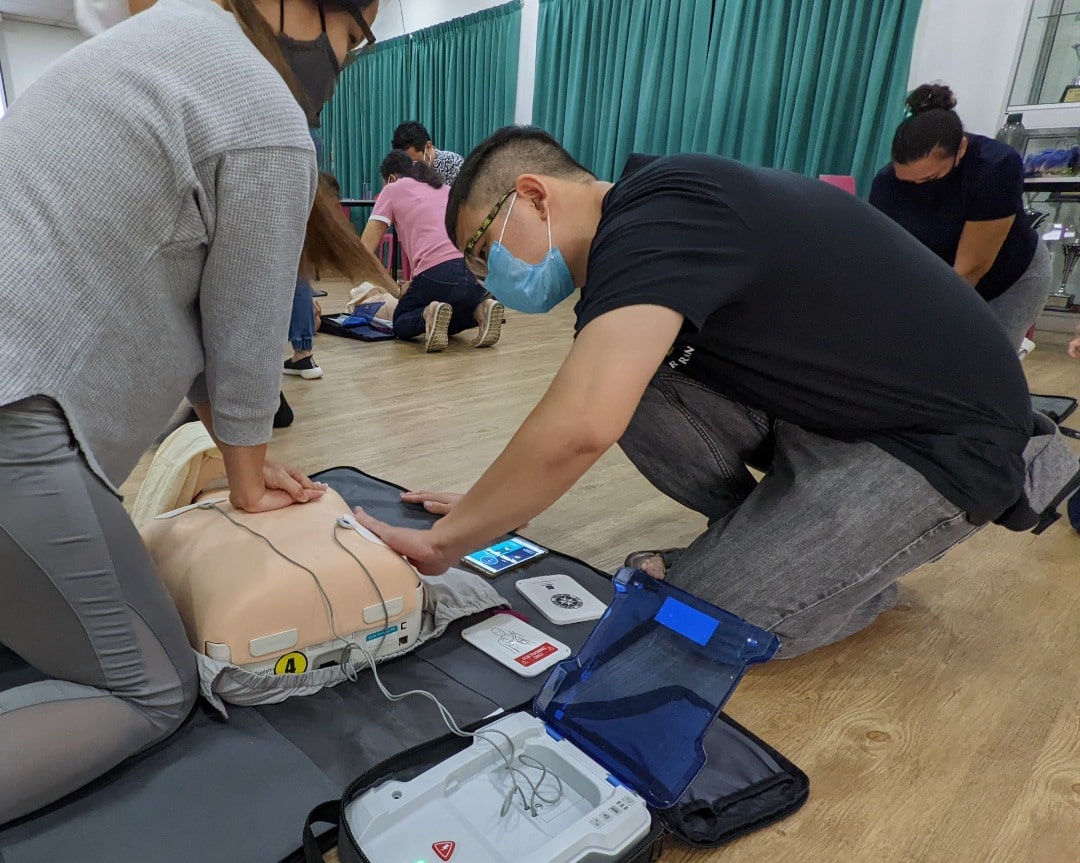
A school CPR and AED programme is a simple, hands-on training initiative that teaches basic chest compressions, how to safely operate an automated external defibrillator (AED), and emergency response, empowering ordinary individuals to save lives during those first critical minutes of a cardiac event.
This programme is essential for our collective safety, yet currently in Malaysia, these skills are only taught as extracurricular activities within uniform societies like St. John Ambulance Malaysia and the Malaysian Red Crescent.
While their dedicated efforts are deeply commendable, it means only a fraction of our school community is equipped to act. To truly safeguard our children, we must transition this vital training from a voluntary activity into a standard programme for all teachers and students.
Our own local data underscores just how critical this transition is. As documented in a study published in the Medical Journal of Malaysia, the overall survival rate for OHCA in the country sits at a grim 4.8 per cent, largely compounded by a staggering 37-minute median delay before an ambulance arrives at the scene.
Furthermore, the rate of public AED usage stands at a critically low 1.5 to 2.6 per cent. This data proves that we cannot afford to wait for first responders; survival rests entirely on the immediate actions of those nearby.
Other Asian countries like Singapore and Japan have long recognised this, successfully integrating CPR and AED training into their national school curricula. Following their lead directly aligns with the Global Resuscitation Alliance’s 10 Steps for Improving Survival, which explicitly champions mandatory school CPR programmes.
The time to introduce a structured, nationwide school CPR and AED programme is now. This initiative is not about looking backward, but about moving forward together with a shared vision for a safer tomorrow.
By weaving these life-saving skills into our standard education system, we can support our dedicated educators and empower our students, ensuring our schools remain safe, nurturing environments.
Let us take this meaningful, unified step forward today to protect the future of our children.
The author is an emergency physician at Management and Science University.
- This is the personal opinion of the writer or publication and does not necessarily represent the views of CodeBlue.


