

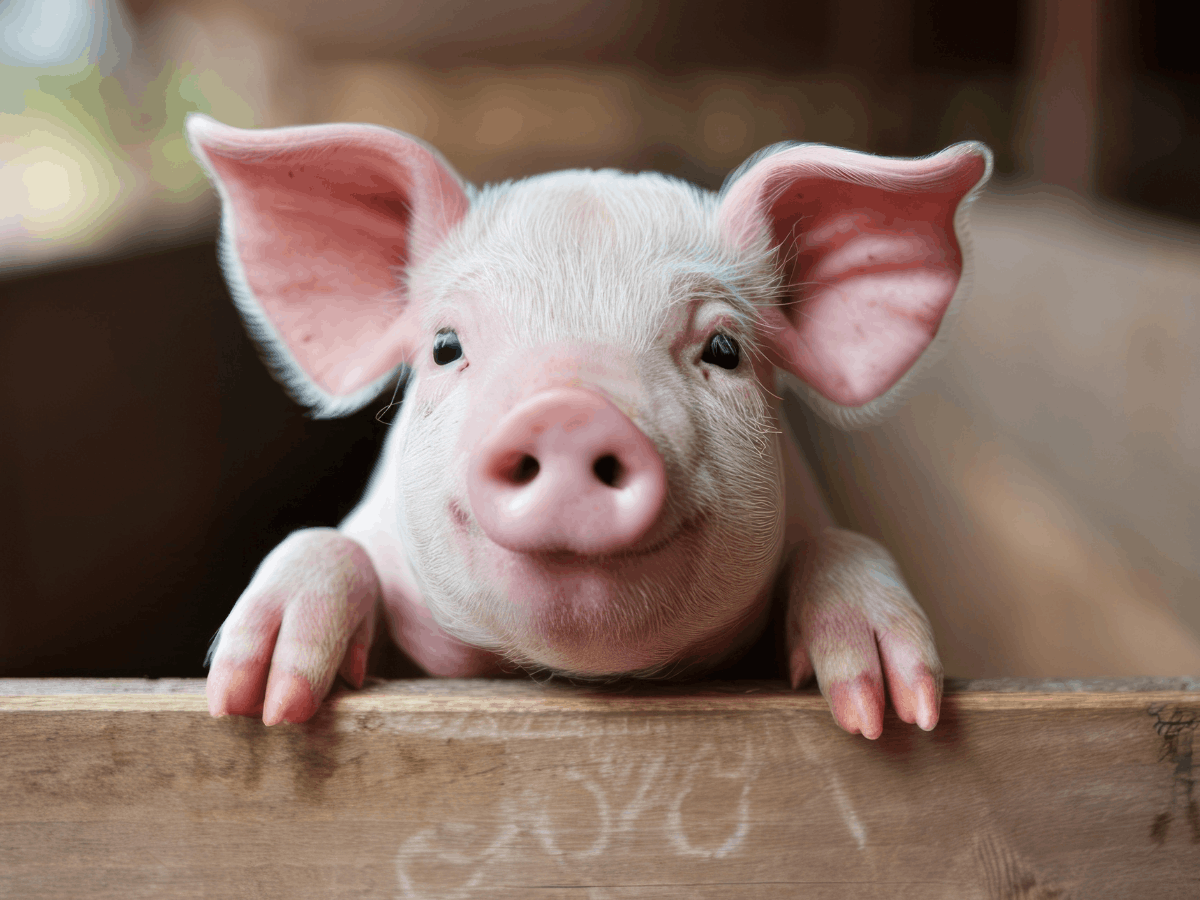
KUALA LUMPUR, June 26 — The number of registered pig farms in Malaysia fell by 22 per cent between 2024 and 2025, while domestic pork production also declined.
However, the Agriculture and Food Security Ministry says national pork supply remains sufficient, with any domestic shortfall supplemented through imports.
In a written Dewan Rakyat reply yesterday, Agriculture and Food Security Minister Mohamad Sabu said the number of registered pig farms fell from 435 in 2024 to 338 in 2025.
Responding to Kepong MP Lim Lip Eng’s question on pig farming and pork supply, Mohamad said pork production declined from 136,506.3 metric tonnes in 2024 to an estimated 115,283.7 metric tonnes in 2025.
However, he said domestic supply remained sufficient to meet demand.
“Based on estimates for 2025, national pork supply is expected to reach 221,958.69 metric tonnes, and supply is sufficient,” Mohamad said.
The ministry estimated domestic demand for pork this year at 213,927.92 metric tonnes, based on consumption among Malaysia’s non-Muslim population, which comprises 36.5 per cent of the country’s population.
Mohamad did not explain the decline in the number of registered pig farms or domestic pork production. However, he said domestic supply continued to be monitored because local production had previously been affected by African Swine Fever (ASF).
“Any shortfall in domestic supply is supplemented through imports from approved overseas establishments,” he said.
Mohamad added that the Department of Veterinary Services (DVS) would continue monitoring the performance of the country’s pork production, including the number of registered pig farms, production capacity, disease risks such as ASF, and supply requirements to ensure the local market remained stable and adequately supplied.
KPKM Targets Higher Vegetable Self-Sufficiency Under 13MP
Separately, Mohamad said the ministry had approved RM107 million under the 13th Malaysia Plan (13MP) for four projects aimed at reducing Malaysia’s dependence on imported vegetables.
Responding to Kuantan MP Wan Razali Wan Nor’s question on strengthening domestic vegetable supply, Mohamad said the projects include developing the local onion industry, increasing self-sufficiency in chilli, cabbage and ginger, strengthening production of export-oriented vegetables, and improving productivity in Permanent Food Production Parks (TKPM).
Under the vegetable self-sufficiency programme, the Department of Agriculture aims to increase the self-sufficiency ratio (SSR) for chilli from 40 per cent to 48.5 per cent by 2030, cabbage from 40.2 per cent to 40.8 per cent, and ginger from 16 per cent to 20.9 per cent.
The onion development project targets 530 hectares of cultivation by 2030, with an annual production target of 5,000 metric tonnes to reduce reliance on imports.
Meanwhile, output from the country’s 39 TKPM sites, covering 6,050 hectares, is targeted to increase from 95,000 metric tonnes in 2026 to 107,000 metric tonnes by 2030.
Mohamad said farmers and agricultural entrepreneurs would receive in-kind assistance or reimbursement for farm infrastructure, agricultural inputs, machinery, equipment and seed production under the programmes.
He said imported vegetables are subject to food safety and biosecurity controls, including mandatory Certificates of Analysis for selected vegetables, namely mustard greens, cucumber, tomato, cabbage and chilli, and stricter inspections at the country’s entry points.


