

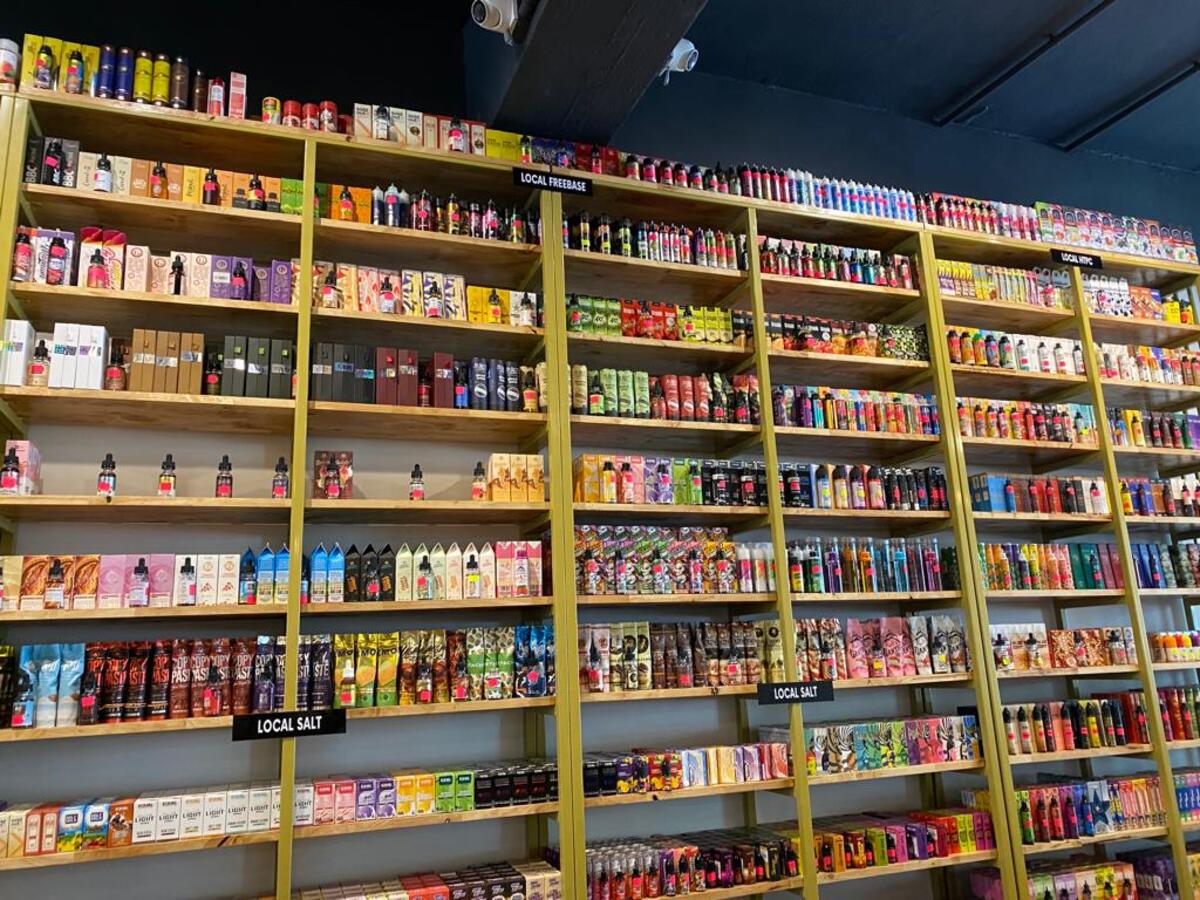
KUALA LUMPUR, June 26 — The Ministry of Finance (MOF) has indicated that the government will maintain taxation of nicotine vapes until the Court of Appeal rules on the government’s challenge against a landmark High Court decision that declared the exemption of liquid nicotine from the Poisons List unlawful.
In a written Dewan Rakyat reply on Wednesday, Finance Minister Anwar Ibrahim said the government would only decide on issues arising from the High Court judgment, including the collection of duties and taxes on nicotine-containing vape products, after the Court of Appeal delivers its decision.
“The Ministry of Finance takes note of the Kuala Lumpur High Court’s decision regarding the judicial review of the exemption order for liquid or gel nicotine from the Poisons List under the Poisons Act 1952,” Anwar said in the parliamentary reply.
“As the Ministry of Health, through the Attorney-General’s Chambers, has filed an appeal against the Kuala Lumpur High Court judgment, any government decision arising from the issues involved, including the collection of duties and taxes on vape products containing liquid or gel nicotine, will be made in accordance with the Court of Appeal’s decision.”
The reply suggests that the status quo remains in place pending the appeal, with nicotine-containing e-liquids continuing to be treated as taxable products despite the High Court’s May 15 ruling that nullified their 2023 exemption from the Poisons List.
Taxation means that the government continues to treat the retail sale of nicotine vapes as legal, even though poisons on the Poisons List can only legally be dispensed by a pharmacist or doctor.
It’s unclear if the government has filed or succeeded in obtaining a stay of execution of the High Court’s decision.
The High Court judgment raised questions about the legal basis for taxing nicotine vape liquids after Justice Aliza Sulaiman ruled that then Health Minister Dr Zaliha Mustafa’s decision to remove liquid and gel nicotine used in e-cigarettes and vape from the Poisons List was unlawful, irrational, and made without meaningful consultation with the Poisons Board.
The judge also found that the exemption was motivated primarily by economic reasons, citing evidence that the delisting was intended to facilitate the imposition of excise duty on nicotine vape products before comprehensive vape legislation came into force.
Health Minister Dzulkefly Ahmad and the government subsequently appealed the entire High Court decision. However, Dzulkefly has not publicly explained the reasons for challenging the ruling, despite previously declaring that a nationwide vape ban was a matter of “when, not if” and later saying the Health Ministry was aiming to ban vape this year.
The Finance Ministry’s reply indicates that the government is looking to the Court of Appeal, rather than the High Court, before deciding on nicotine vape taxation, although the Court of Appeal is not the country’s final court. Decisions of the appellate court may still be appealed to the Federal Court with leave.
Anwar’s written parliament reply was given in response to Kuala Langat MP Dr Ahmad Yunus Hairi, who asked about the tax implications of the High Court’s judicial review decision on the exemption of liquid nicotine from the Poisons List under the Poisons Act 1952.


