

As health care workers, we have become accustomed to a familiar message over the years. There is not enough money. We must reduce costs, optimise existing resources, and postpone non-essential activities. We must justify every expenditure.
At the clinic and district levels, these messages are not merely words. They shape daily operations. Training budgets are reduced. Activities are scaled down. Equipment requests are delayed. Staff are expected to do more with less.
Most of us understand this reality. Public health care operates within finite resources, and difficult decisions must sometimes be made.
What many health care workers struggle to understand, however, is why these principles appear to apply unevenly across the system.
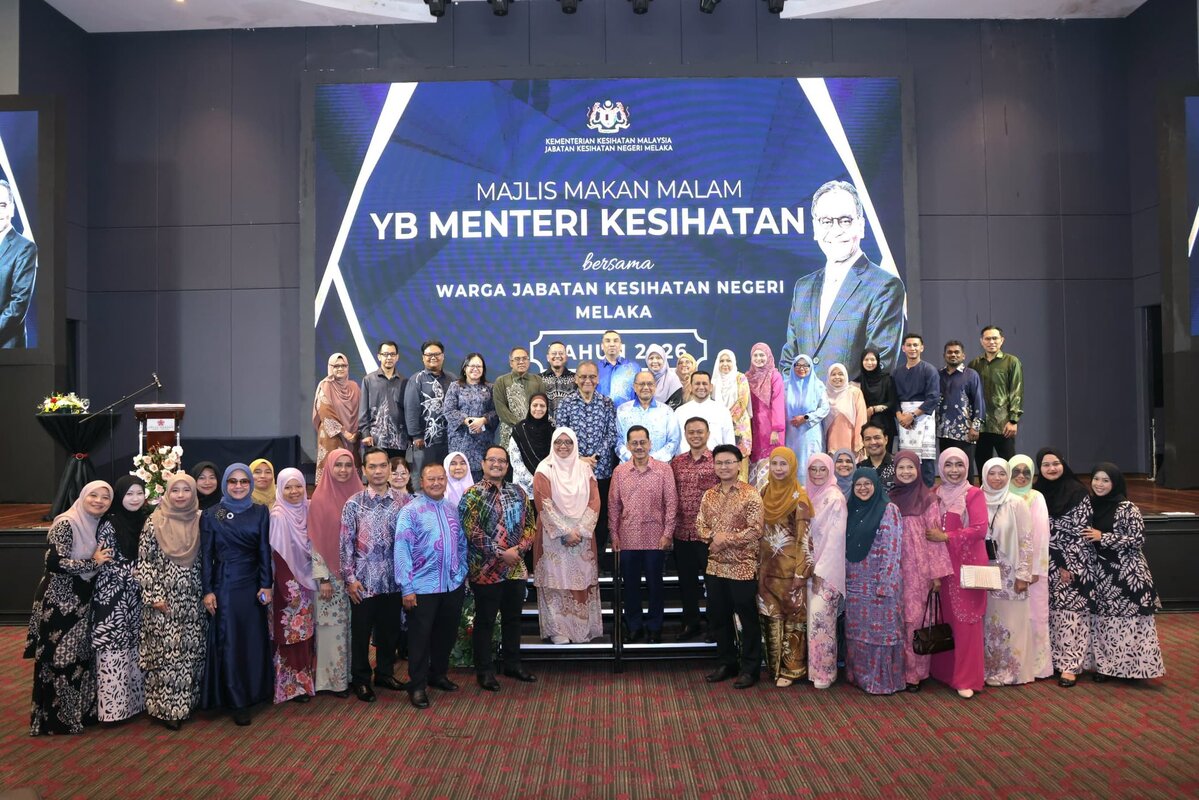
A recent programme held in Melaka serves as a good example of this growing disconnect.
The event was organised in a premium hotel setting and involved the attendance of senior leadership and dignitaries. While the stated objectives may have been noble, many health care workers could not help but question the choice of venue, the scale of the event, and the resources required to make it happen.
This is particularly difficult to reconcile when staff at the operational level are repeatedly instructed to practise austerity.
The issue is not that leaders should not engage with communities; that dialogue sessions shouldn’t be held; or that ministers, state leaders, or senior officials shouldn’t meet the public.
The real question is whether the manner in which some of these programmes are organised reflects the same financial discipline being demanded from frontline health care services.
Many of us have attended similar programmes over the years. The reality is often uncomfortable. Large halls filled with government staff. Attendance targets that must be met. Health care personnel mobilised to ensure a respectable turnout.
Meanwhile, the actual participation of the intended community audience may be far lower than what the programme title suggests.
This inevitably raises an important question: Are these programmes truly designed to achieve meaningful engagement and measurable outcomes, or have they become exercises in optics and political visibility?
When frontline health care facilities are struggling with manpower shortages, ageing infrastructure, overcrowded services, and increasing patient loads, every ringgit spent should be scrutinised through a simple lens:
How does this improve health care delivery for the rakyat?
If a programme costing tens or hundreds of thousands of ringgit cannot clearly demonstrate tangible benefits to patients, health care workers, or service delivery, then it is entirely reasonable for taxpayers and health care professionals to question whether those resources could have been utilised more effectively elsewhere.
The frustration felt by many health care workers is not merely about money. It is about consistency.
It is difficult to hear repeated messages about financial constraints when the same system continues to fund large-scale events in premium venues.
It is difficult to accept that there is insufficient funding for certain operational needs while resources remain available for highly visible VIP programmes.
And it is difficult to maintain morale when the sacrifices expected from frontline staff do not appear to be reflected at higher levels of decision-making.
Public health care workers are not asking for luxury. We are asking for consistency. If austerity is necessary, then it should be visible throughout the entire system, not only in clinics, district health offices, or frontline staff, but also in the venues we choose, the events we organise, and the example set by those entrusted with leadership.
Credibility is not built by telling others to tighten their belts, but when leaders are seen tightening theirs first.
The author is a medical officer. CodeBlue is providing the author anonymity because civil servants are prohibited from writing to the press.
- This is the personal opinion of the writer or publication and does not necessarily represent the views of CodeBlue.


