

In the labyrinthine corridors of Malaysia’s public hospitals, a silent catastrophe is unfolding. It is not a novel virus or a natural disaster, but something far more insidious: a slow, systematic hemorrhage of capability, conscience, and care.
As of early 2026, the Malaysian health care system – once the envy of the developing world for its efficiency and affordable access – stands at a precipice. The twin abysses of a crippling manpower crisis and unsustainable financial pressure threaten to undo decades of hard-won progress.
For more than three decades, Malaysia’s two-tiered health care system has been lauded as a paragon of inclusive medicine, a rare example of a developing nation delivering first-world outcomes on a developing-world budget.
Yet, beneath the veneer of affordable clinics and universal access, a quiet necrosis has set in. As of early 2026, the system is no longer merely strained; it is failing.
The confluence of an unprecedented manpower exodus, a proposed RM4.65 billion funding cut, and the highest medical inflation in a decade has pushed the Ministry of Health (MOH) to its breaking point.
This is not a critique born of hyperbole but a diagnosis based on hard data. Without radical, immediate intervention, Malaysia risks becoming the cautionary tale of how a celebrated health care model was sacrificed to fiscal austerity and strategic neglect.
The Great Exodus: A Manpower Catastrophe
Begin with the numbers, stark and unsparing. Malaysia is currently short of nearly 11,000 medical specialists. By the end of the decade, that deficit is projected to yawn to 13,000. This is not a gap; it is an abyss.
When a nation lacks eleven thousand expert physicians – cardiologists, oncologists, neurosurgeons, anesthetists amongst others – it is not merely a statistical inconvenience. It is a death sentence delayed.
The most alarming tremor, however, struck in January 2026. Of the 5,000 housemanship slots offered to young medical graduates, only 529 – a paltry 10.5% – were filled. Consider the gravity of that refusal. In a country where a medical degree was once a golden ticket to stability, the next generation is walking away.
They are quitting the public sector, emigrating to Singapore, Australia, and the United Kingdom, or abandoning clinical medicine entirely. They have witnessed their seniors worked to the bone, their youth sacrificed on the altar of chronic understaffing, and they have refused to sign the same Faustian pact.
Furthermore, the nursing profession – the vertebral column of any functional hospital – is fracturing. With an 18 per cent vacancy rate, exhausted nurses are tending to double the safe patient load.
The remaining staff operate in a perpetual state of hyper-vigilance, a psychological condition that inevitably leads to burnout, medical errors, and the ultimate irony: a caregiver who needs urgent care themselves.
The Ticking Bomb: System Overload and the Silver Tsunami
Even if every vacant post were filled tomorrow, the physical infrastructure would groan under the existing weight. Malaysian public hospitals serve over 70 per cent of the population but are running at or beyond 100 per cent capacity. Corridors become wards; trolleys become beds. This is not triage; it is survival roulette.
Yet, the overcrowding is merely a symptom of a deeper epidemiological shift. Malaysia is losing the battle against non-communicable diseases (NCDs). The statistics are terrifying: a nation where nearly half of adults are unaware they are diabetic or hypertensive until they suffer a stroke or renal failure.
The surge in obesity is not a cosmetic issue; it is a metabolic time bomb driving a relentless demand for dialysis, amputation, and cardiac care.
The cost of managing non-communicable diseases continues to exceed the Health Ministry’s budget. Health Minister Dzulkefly Ahmad said the annual cost of non-communicable diseases has reached RM64.3 billion, comprising RM12.4 billion in medical treatment costs and a massive RM51.8 billion “hidden” loss to national productivity caused by absenteeism and premature deaths.
The Ministry’s allocation for Budget 2026 stands at RM46.52 billion. This means the cost of dealing with the consequences of non-communicable diseases far exceeds the entire ministry’s budget.
Compounding this is the demographic reality of the “Silver Tsunami.” Malaysia is aging faster than nearly any other Asian economy outside of Japan and Singapore. By 2030, fifteen per cent of the population will be elderly.
The current system, designed for acute episodic illness, is utterly unequipped for the long, slow grind of geriatric and dementia care. We are preparing for sprints while the population prepares for a marathon of chronic degeneration.
The Arithmetic of Agony: Financing and Inflation
If the manpower crisis is the patient’s wound, the financial crisis is the sepsis setting in. Malaysia’s health care system has long relied on a generous myth: that general taxation can sustain world-class care indefinitely. That myth is now bankrupt.
Medical inflation in Malaysia is galloping and is projected to reach 16 per cent in 2026. This is driven by rising drug costs, expensive medical devices, and the global premium on health care labour.
The Fiscal Scalpel: The RM4.65 Billion Question
Compounding the human tragedy is a proposed fiscal surgery that threatens to excise the system’s remaining viability. As part of a broader push to achieve RM10 billion in operating expenditure savings, the Ministry of Finance has proposed a RM4.65 billion cut to the Health Ministry’s budget.
This fiscal squeeze is tearing the fabric of the “dual-tiered” system. This is not a trim of fat; it is a cut through muscle.
The justification for these cuts is the volatile spike in global crude oil prices and public subsidy requirements, which are expected to rise from RM15 billion to RM58.4 billion.
While fiscal prudence is necessary, targeting the health of a nation to pay for fuel subsidies is a false economy. A hospital that runs out of dialysis consumables or anesthetic drugs does not cease operating dramatically; it kills quietly.
This is not a system in distress. This is a system in slow-motion collapse.
The proposed RM4.65 billion cut to MOH’s operating budget exposed the fragility of political commitment to health financing. When health care competes with fuel subsidies, infrastructure, and debt servicing, it rarely wins.
The May 15 Deadline
The Treasury has given all ministries until May 15 to submit their proposed budget cuts. That date now stands as a deadline for the Health Ministry to articulate not just where it would cut, but what those cuts would cost in human lives.
A “journey of a thousand miles begins with a single step” offers the necessary optimism. The May 15 deadline for budget submissions is not an ending. It is a beginning.
The Health Ministry must submit a counter-proposal that accepts the need for financial restraint but rejects the false choice between health and solvency.
Malaysia now faces a choice: cut health care to fuel cars, or protect the living system that keeps the nation breathing. There is no third option.
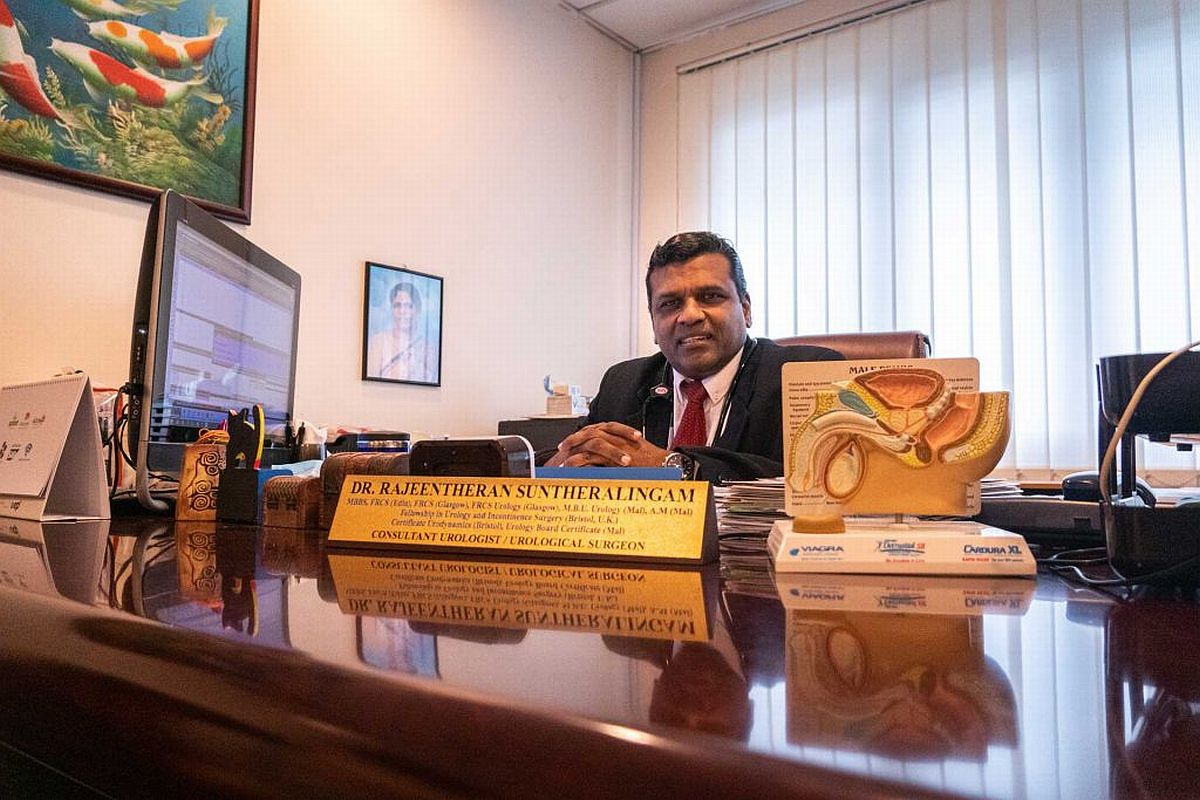
The author is a senior consultant urologist and urological surgeon at Damansara Specialist Hospital.
- This is the personal opinion of the writer or publication and does not necessarily represent the views of CodeBlue.


