

The Malaysian Pharmacists Society welcomes the High Court’s decision on the 2023 exemption of liquid and gel nicotine used in vape and e-cigarette products from the Poisons List.
The Court’s decision sends a clear signal that public health safeguards cannot simply be set aside for administrative convenience or fiscal objectives.
For almost two years, MPS has consistently raised concerns that removing nicotine liquids from poison control would create a dangerous regulatory gap. As pharmacists, our concern was not abstract.
We understood that easier access to nicotine products would eventually be seen in community settings, among young people, and in the daily work of health care professionals supporting smoking and vape cessation.
MPS is a member organisation of the Malaysian Council for Tobacco Control, one of the three non-governmental organisations (NGOs) involved in this judicial review. We stand with MCTC and the wider public health movement in welcoming this ruling.
MPS also records its appreciation to all pharmacists, health care professionals, public health advocates, parents, educators, civil society organisations and NGOs who continued to speak up on this issue.
This was never the work of one organisation alone. It has been a long, difficult and often frustrating fight by many Malaysians who believed that nicotine addiction, especially among young people, should not be normalised.
MPS especially acknowledges the persistence of the NGOs involved in this judicial review, namely the Malaysian Council for Tobacco Control, the Malaysian Green Lung Association and Voice of the Children. Their efforts have helped reaffirm an important principle: public health decisions must be made properly, transparently and in the interest of the people.
From a health care perspective, nicotine remains a pharmacologically active and dependence-forming substance requiring appropriate regulatory oversight. It should not be treated as just another taxable consumer product.
The Court’s findings are also an important reminder that process matters. Expert advice matters. The role of the Poisons Board matters. Consultation cannot become a procedural exercise after decisions have effectively already been made.
The Poisons Board is not a decorative committee. It exists because decisions on scheduled poisons require scientific, professional, and regulatory scrutiny.
Pharmacists understand this well. Every day, pharmacists implement the Poisons Act through the safe control, supply, counselling, documentation and monitoring of medicines and poisons. When the safeguards under the Act are weakened, pharmacists are among those left to manage the consequences on the ground.
For health care professionals, the concern was always practical as much as legal. Once safeguards are weakened, the consequences do not remain confined to policy papers or ministry discussions. They eventually appear in schools, homes, clinics, pharmacies, and across the health care system itself.
Community pharmacists have been among the health care professionals dealing directly with the growing consequences of nicotine and vape use, particularly among younger Malaysians. This includes smoking cessation support, counselling, nicotine dependence management, public education and frontline engagement with concerned parents and patients.
MPS has been consistent on this issue. We opposed the liberalisation of nicotine, supported stronger tobacco and vape control measures, called for proper regulation and enforcement, and launched the MPS Declaration Against Vape and Smoking as part of the profession’s stand against nicotine addiction.
With the Control of Smoking Products for Public Health Act 2024 now in force, Malaysia must not lose momentum. MPS calls for firm enforcement, stronger action against youth-targeted vape sales and marketing, wider access to smoking and vape cessation services, and meaningful involvement of health care professionals in future nicotine-control policy.
MPS also urges the government not to appeal this decision, and instead to accept the Court’s findings in the spirit of strengthening public health governance, restoring confidence in the regulatory process, and protecting future generations from nicotine addiction.
The government should now take immediate steps to ensure that nicotine liquids and gels used in vape and e-cigarette products are placed back under appropriate poison control, where they rightfully belong.
This judgement should mark a turning point.
Malaysia must choose prevention over addiction, evidence over expediency, and public health over revenue.
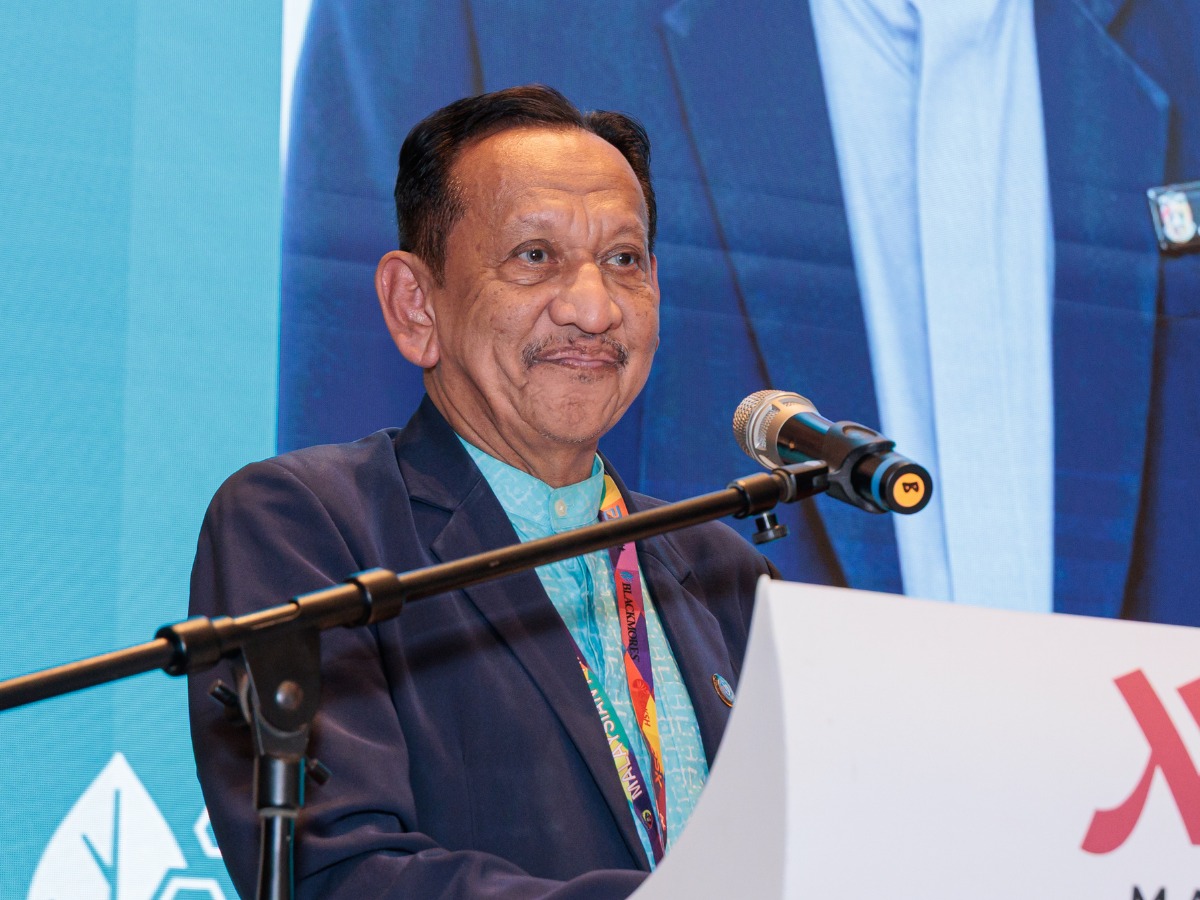
This statement was issued by MPS president Prof Amrahi Buang.
- This is the personal opinion of the writer or publication and does not necessarily represent the views of CodeBlue.

