

KUALA LUMPUR, May 5 — The Ministry of Agriculture and Food Security (KPKM) is preparing for the likelihood of cuts to development spending as the government’s fuel subsidy burden swells.
KPKM deputy secretary-general (policy) Norazman Ayob warned that funds earmarked for long-term development may be redirected to sustain mounting fuel subsidy commitments, raising concerns about the government’s ability to finance core agricultural infrastructure like irrigation.
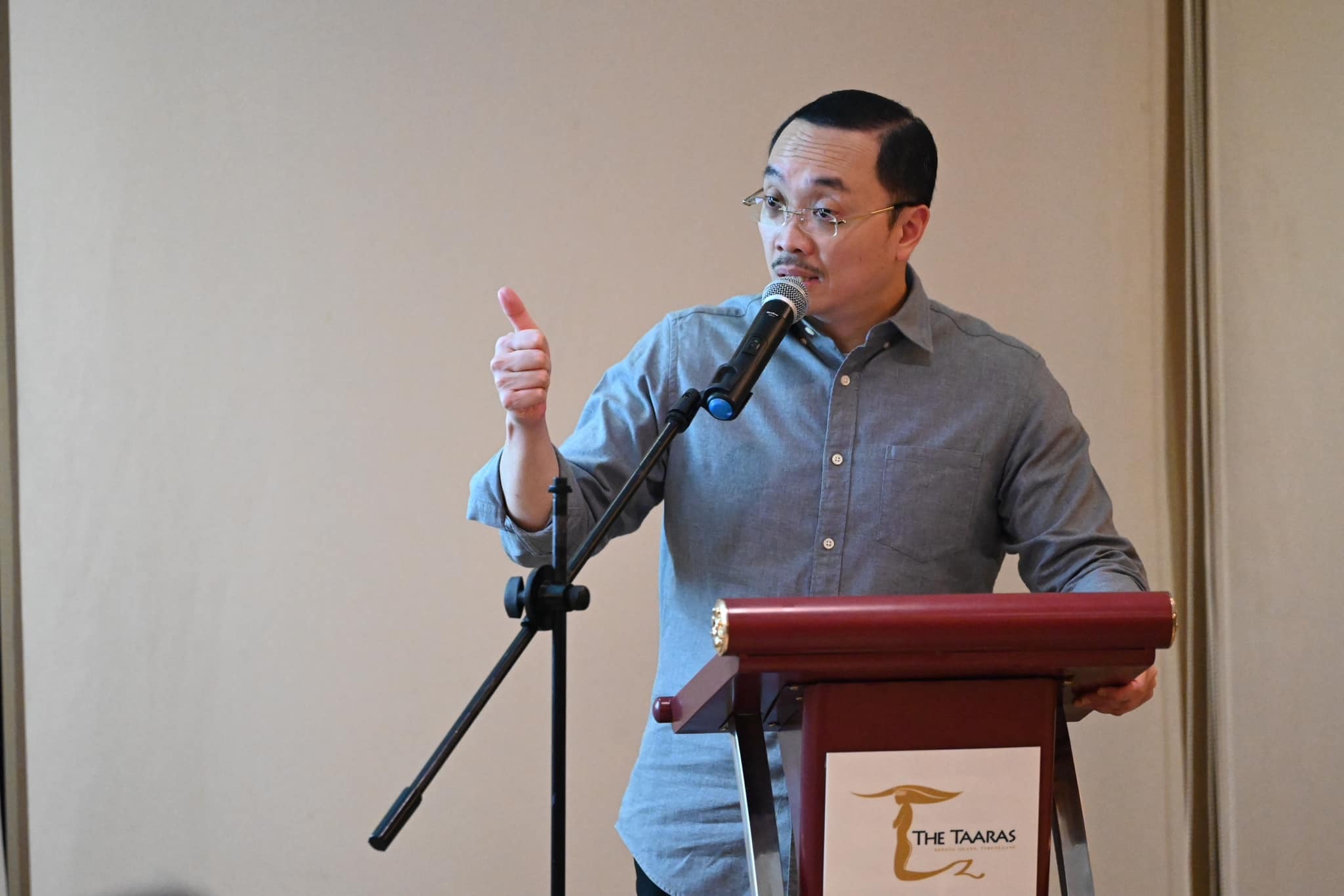
“What the government is facing this time is very challenging,” he said in a speech at an event at Universiti Putra Malaysia last April 26.
Norazman noted that the government’s fuel subsidy bill has surged ten-fold from RM700 million projected monthly under Budget 2026 to RM7 billion now amid the US-Iran war.
The KPKM official then gave a brief explainer about operational and development expenditure in government; the latter is used to finance development projects.
“In the agriculture sector, one example [of development projects] is irrigation systems,” said Norazman. “Now imagine that the money that had been allocated may have to be redirected to finance fuel subsidies in the country.”
In Budget 2026, federal spending on agricultural irrigation and drainage development remains relatively limited, with about RM11.9 million allocated, slightly lower than the previous year. Irrigation is the artificial application of water to land or crops to support plant growth.
Earlier in March, Agriculture and Food Security Minister Mohamad Sabu said the government had set aside RM55 million this year to maintain irrigation and drainage systems nationwide.
Nurhisham Hussein, an economic adviser at the Prime Minister’s Office, said recently that Malaysia’s fuel subsidies soared to RM7 billion in April.
Norazman warned that continued geopolitical instability could further strain fiscal space.
“I’m only talking about May, June. We do not know if this situation will continue until December. How much more will the government have to bear? So the government either has to dig deep into its reserves or we have to borrow more money,” he said.
“And this is not only limited or unique to Malaysia.”
Under Budget 2026, KPKM was allocated RM6.87 billion, including RM2.62 billion in subsidies and assistance for paddy farmers, covering fertiliser, seeds, and production incentives.
The spending was intended to raise yields and strengthen food security as the country continues to rely heavily on imports for key staples.
But the growing fuel subsidy burden is already reverberating across government finances. The Treasury has sought broad spending reductions, with officials looking to trim billions of ringgit from ministry budgets in the current year.
Norazman was the first senior government official to openly link spending cuts for public projects or services to paying for cheap petrol in Malaysia. Many countries do not provide permanent fuel subsidies for their citizens.
The Ministry of Health (MOH), one of the largest recipients of federal funding, is expected to face a cut of about 10 per cent from its RM46.5 billion allocation, according to Health Minister Dzulkefly Ahmad, though he said “essential core services” would be protected.
Prime Minister Anwar Ibrahim told reporters yesterday that only the more “luxurious” elements of hospital projects would be scaled back, in terms of health spending cuts, indicating that the government’s austerity drive may expand to development expenditure beyond operational expenditure.
Norazman’s remarks similarly suggest that cuts may hit development spending at KPKM, including agriculture infrastructure critical to food security.
This raises policy questions about the government’s ability to sustain long-term investments under the National Food Security Policy 2030, particularly as Malaysia remains structurally dependent on imports for key staples and agricultural inputs.


