

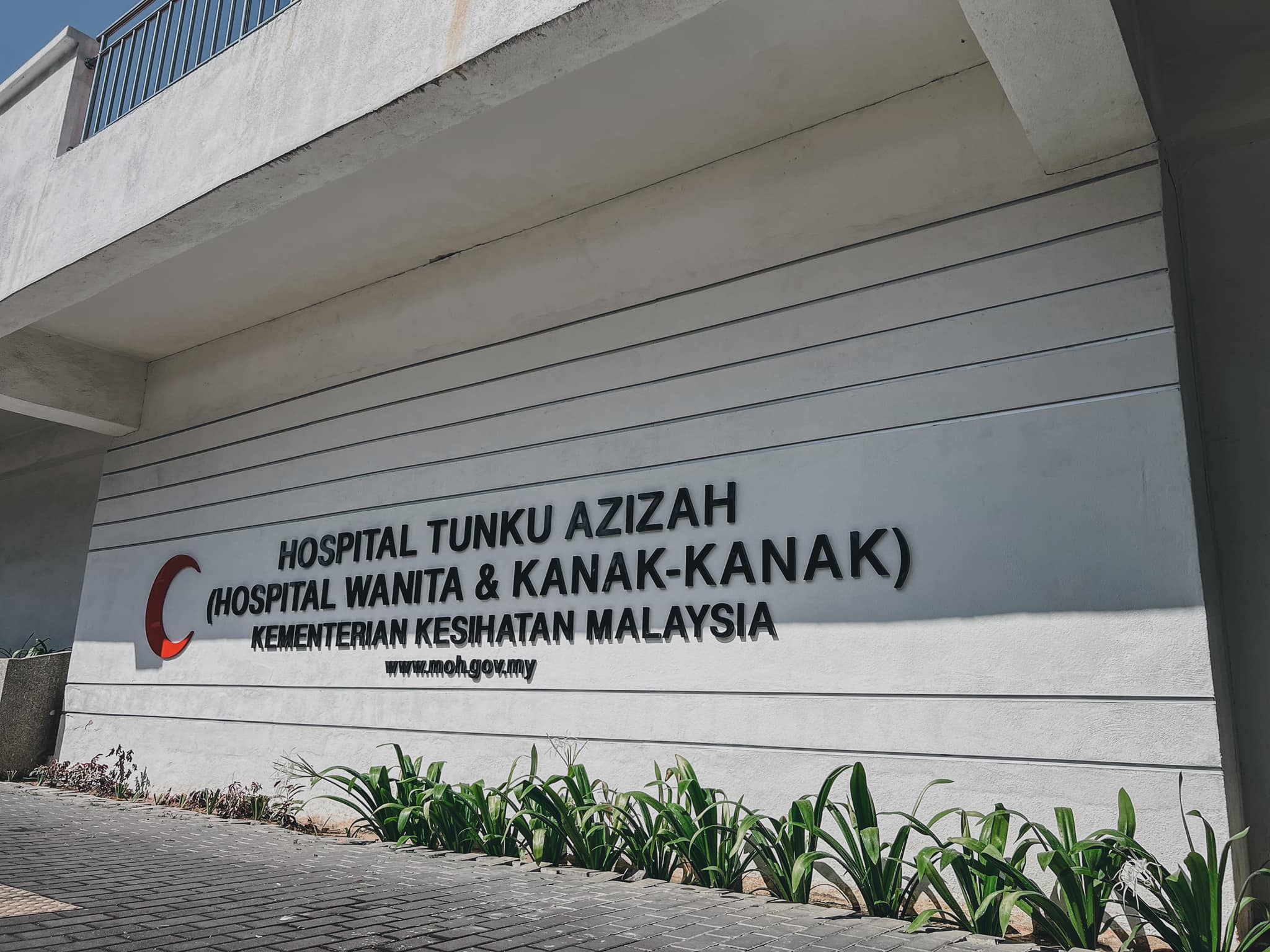
For the first time in Malaysia’s health care history, we are confronted with an uncomfortable truth: a government staff member allegedly defrauding at least 187 of her own junior doctors at Tunku Azizah Hospital (HTA) at the very start of their careers.
This is not just a story about RM47,000. It is a story about power, silence, and vulnerability. Housemen enter service already stretched. Long hours, unfamiliar systems, and a deeply ingrained culture of compliance.
They are trained to follow instructions, not question authority. When an administrative officer issues a directive, backed by forms, tone, and perceived legitimacy, few will challenge it. Not because they are naive, but because the system conditioned them that way.
Let’s be honest: This incident did not happen in isolation. It thrived in an environment where administrative power operates with minimal oversight and where junior doctors have no safe or direct access to verification channels.
How did a 28-year-old administrative staff member collect money repeatedly over years, use unofficial payment methods without detection, and invoke fear of HR repercussions without being questioned?
The answer is simple: unchecked power within a closed system.
We often speak about clinical governance, patient safety, and audit trails. Yet, when it comes to administrative processes affecting our most junior staff, governance appears optional. There is no transparent mechanism for housemen to verify financial instructions. No mandatory written validation from the Ministry of Health Malaysia or Malaysian Medical Council channels. No psychological safety to say, “This doesn’t feel right.”
Instead, we rely on hierarchy and assumption. This is the real failure.
We must also confront an uncomfortable cultural truth: junior doctors are one of the most vulnerable groups in our system.
Housemen Don’t Function In Vacuum Of Logic And Free Choice
A troubling sentiment has surfaced among some netizens, who asked why the housemen didn’t question the admin assistant’s instructions: “Why are doctors so blunt? So naive? You saw a personal account and still paid?”
At first glance, it sounds like common sense. But in reality, it reflects a profound misunderstanding of what it means to be a houseman in Malaysia.
The truth is uncomfortable. The reactions of these housemen are not outliers; they are representative. They are the surrogate experience of housemen across the country. This could have happened anywhere. And perhaps, in smaller ways, it already has.
Housemen do not function in a vacuum of logic and free choice. They function in a system where questioning instructions can be perceived as defiance and administrative directives carry implied authority.
“Just follow first” is often safer than “ask why”. Fatigue blunts judgement after 12 to 14-hour shifts. Fear of extension, evaluation, and reputation is real.
It is easy to criticise from the outside. But inside the system, things feel very different. A houseman isn’t just a “doctor”; they are the most junior, replaceable, and observed, and least protected.
So they comply – not because they are stupid, but because they are surviving. If anything, this incident should humble us because it exposes a blind spot that we have long ignored.
We demand accountability from housemen in clinical care. Yet we provide little accountability in the system that governs them.
A hundred and eighty-seven housemen. Nearly three years. One department.
This is not an individual failure. This is not even a group failure. This is systemic silence.
How did this scam go on from September 2023 to March 2026 without detection? There was no active auditing culture in administrative processes, transparent financial verification pathways for junior doctors, or a safe channel to raise doubts early.
There was also an over-reliance on informal, person-dependent workflows. And perhaps most importantly, the system is passive until something breaks.
What Have We Learned?
No payment should ever be collected without formal, traceable, institutional channels. Administrative roles must be subjected to the same level of audit and governance as clinical roles.
Junior doctors must have protected, penalty-free pathways to verify and report concerns. Orientation programmes must explicitly educate housemen on scams, rights, and verification processes.
This incident should not end with termination and police reports. That would be the easiest and most dangerous outcome. If the system remains unchanged, the next version of this will happen again. Perhaps quieter or bigger.
We cannot continue to tell housemen to be resilient, adaptable, and hardworking, but ignore the structural gaps that expose them to harm.
If we are serious about training the next generation of doctors, then their welfare, protection, and dignity must be designed into the system, not left to chance.
This is not just about one hospital. This is not a story of “doctors being careless”. This is a story of a system that is cold, hierarchical, and reactively governed.
We must respond not only with draconian action after the fact, but also with meaningful reform that can mitigate harm before it occurs. What we allow to persist today becomes inimical to the very foundation of our profession tomorrow.
This is no longer just about housemen. It is about whether we are willing to accept a system that is quietly, cumulatively, and ultimately ruinous. Not only to those within it, but to the future we claim to protect.
The author is a clinician in public service. CodeBlue is providing the author anonymity because civil servants are prohibited from writing to the press.
- This is the personal opinion of the writer or publication and does not necessarily represent the views of CodeBlue.


