

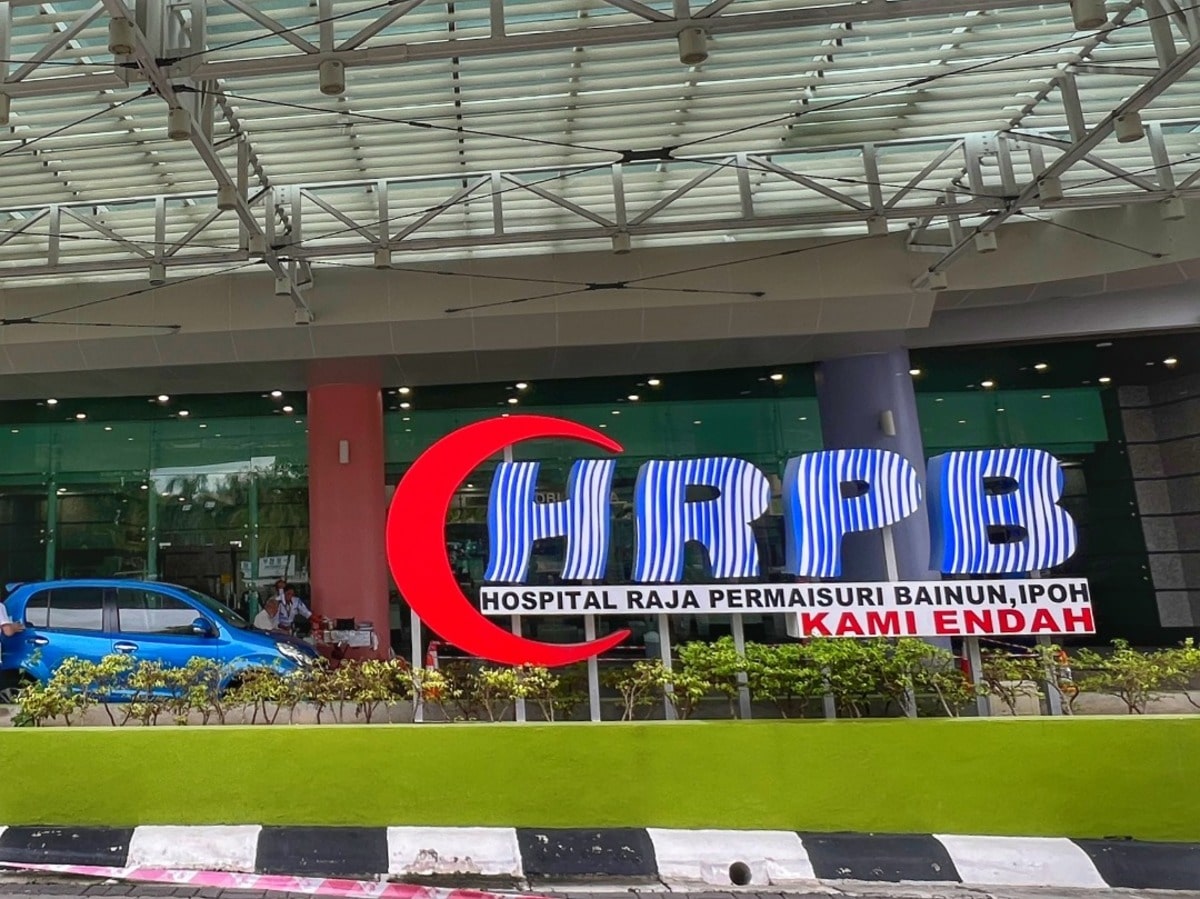
Something is not right in the medical wards of Hospital Raja Permaisuri Bainun (HRPB). Those on the ground can feel it.
Internal medicine doctors are now caring for around 40 patients per ward. But it doesn’t stop there. With ongoing bed shortages, more patients are being placed as “lodgers” in other wards —non-medical wards — adding another 10 to 15 patients to the same team.
That is close to 50 plus patients under one medical team. But yet, nothing else has changed.
There are still only two internal medicine medical officers and one to two house officers who are expected to manage all of the patients across multiple wards in multiple locations, with multiple risks.
This is no longer just busy. This is unsafe.
Despite this increase, staffing levels remain unchanged. Teams are typically comprised of two medical officers and one to two house officers, who are responsible for all patients, including those distributed across multiple wards.
This arrangement creates logistical and clinical challenges. Patients located outside the primary medical ward may experience delays in review, particularly when teams are required to move between different locations. Continuity of care may also be affected, especially for patients with complex medical needs.
Compounding these concerns, there are instances where patients are placed on canvas beds due to space limitations. These setups are not designed for prolonged inpatient care and may pose additional safety risks, particularly for patients who are frail, immobile, or clinically unstable, further highlighting the limitations of existing capacity.
The issue reflects a broader context within Perak, where shortages of medical officers have been an ongoing concern. As patient numbers rise, available manpower has not kept pace, leading to increasing pressure on existing teams.
While measures such as lodging patients may help manage bed availability, they do not address the underlying mismatch between patient load and staffing capacity. On the ground, there is a growing perception that interim solutions are being relied upon without sufficient long-term planning.
Health care workers describe a system that continues to function, but under mounting strain.
When patients are spread across multiple wards, response time becomes a real issue. You try to prioritise, but there are limits to what one team can realistically manage.
The situation has also raised questions about sustainability. How long can this continue in its current form? Will meaningful change only happen after a serious incident?
Attempts have been made by staff to raise these concerns through internal channels. However, these issues have not resulted in meaningful changes, with current practices continuing despite repeated feedback.
We are in dire need of your help to bring this issue into the spotlight. Please help.
The author is a medical officer at HRPB. CodeBlue is providing the author anonymity because civil servants are prohibited from writing to the press. HRPB and the Perak state health department told CodeBlue in response that they were looking into the matter.
- This is the personal opinion of the writer or publication and does not necessarily represent the views of CodeBlue.


