

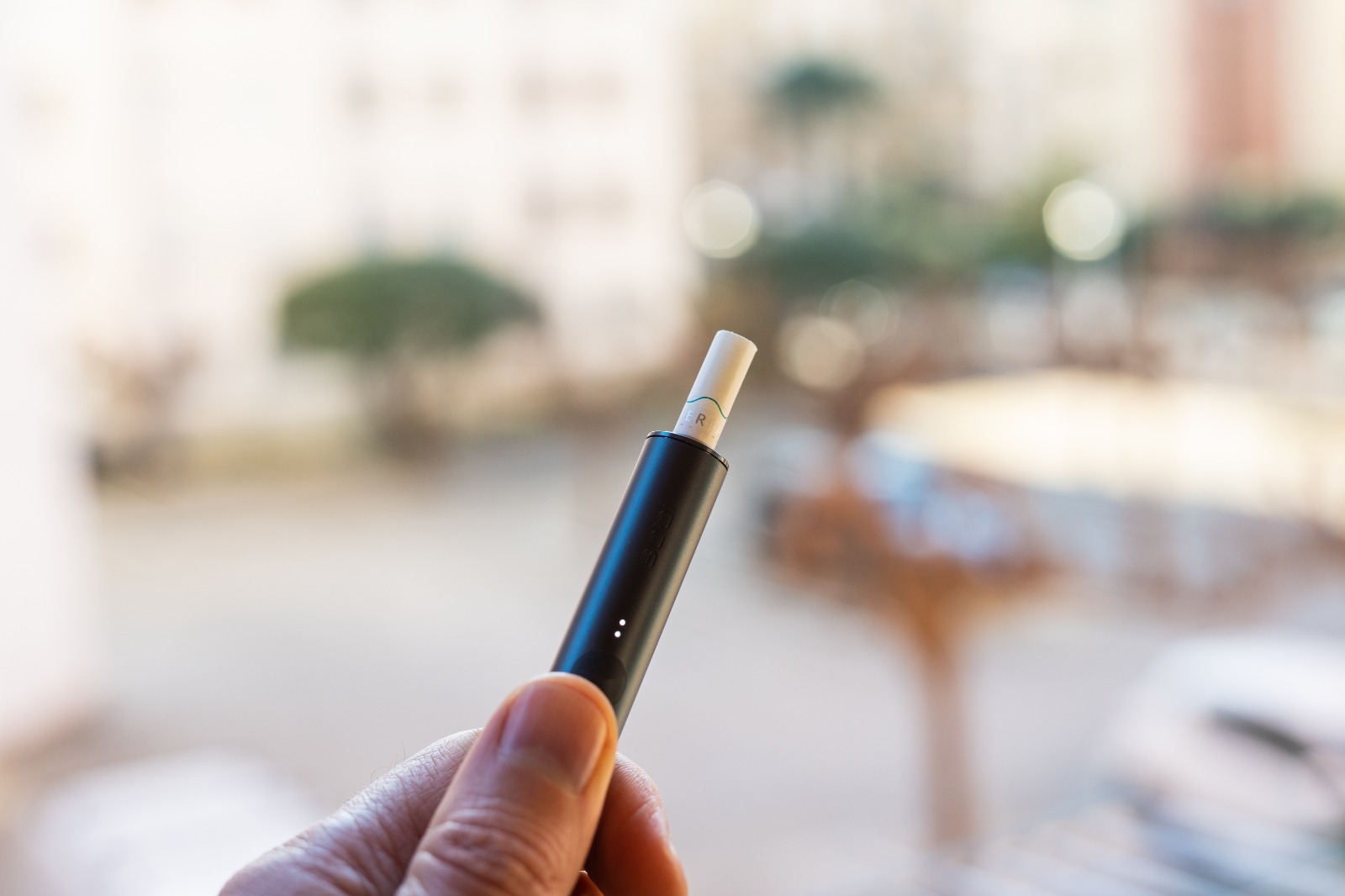
The tobacco and vape industries are constantly evolving their strategies to secure legitimacy for their products. As health and medical authorities continue to firmly reject their narratives, there is a concerning new trend: these industries are now attempting to pivot towards our highly respected non-health entities, including religious bodies, to seek endorsement or leniency.
A recent engagement between a major multinational tobacco company and religious authorities in Malaysia highlights this predatory tactic. It is customary and commendable for our religious offices to maintain an open-door policy, welcoming dialogue with various segments of society.
However, it is deeply concerning when multinational conglomerates attempt to exploit this goodwill.
Locally, the company is primarily known for selling traditional cigarettes and Heated Tobacco Products (HTPs), but it is crucial to recognise that globally, they also manufacture and actively market vape products.
While the exact details of such closed-door meetings remain unknown, the industry’s global track record forces us to view their intentions with heavy scrutiny.
Even if an initial engagement is framed as a simple briefing or courtesy call, the ultimate goal is often to establish a precedent. By securing an audience for a major tobacco and alternative-nicotine conglomerate, the industry attempts to pry the door open.
There is a real risk that the aggressive, dedicated vape industry will use this as a stepping stone to demand equal access and exert similar lobbying pressure.
Some might ask, what is the harm in the industry requesting a discussion?
The answer lies in the well-documented global history of the tobacco and vape industries’ attempts to interfere in the formulation of national public health policies.
Numerous studies have exposed the industry’s tactics in using seemingly innocuous meetings to build relationships, normalise their presence, and ultimately try to dismantle strict regulations in favour of policies that serve their commercial interests.
This is exactly why Article 5.3 of the World Health Organization’s (WHO) Framework Convention on Tobacco Control (FCTC) provides guidelines to protect public health policies from the vested interests of the tobacco industry.
One of its key recommendations is that interactions with the industry should be limited strictly to what is necessary for technical and regulatory purposes, to prevent the industry from manipulating public institutions.
The Industry’s Relentless Lobbying
While our health agencies work tirelessly to uphold these public health standards, the tobacco and vape industries remain relentless in their lobbying efforts. They frequently attempt to influence the legislative process, deploying lobbyists to engage with policymakers at various levels to push their own corporate agendas.
The industry constantly seeks out loopholes and campaigns aggressively against strict public health measures. For instance, they heavily opposed the Generational End Game (GEG) provisions and actively pushed for the deregulation of liquid nicotine.
By attempting to navigate around the regulations governing nicotine and electronic smoking devices, they aim to exploit legal gaps to market their products more freely.
The Myth of ‘Safe’ Alternatives: HTPs and Vapes
Their current narrative aims to promote their next-generation products as legitimate, or even “halal” (permissible), alternatives for traditional smokers. Major players in the tobacco industry heavily promote HTPs as a supposedly “cleaner” alternative.
Unlike conventional cigarettes that burn tobacco, these devices heat actual tobacco leaves to a lower temperature to release a nicotine-containing aerosol.
It is important to recognise that HTPs remain fundamentally tobacco products. They continue to deliver nicotine and expose users to toxic emissions, including known carcinogens.
The WHO maintains that all forms of tobacco use carry health risks, with no safe level of exposure. Consequently, while these devices are frequently marketed under the concept of “harm reduction,” public health perspectives often view this as a commercial strategy to sustain consumer numbers and normalise continued tobacco use.
Similarly, the narrative surrounding vapes is firmly rejected by health authorities in Malaysia. The idea of “safe vaping” is an epidemiological fallacy. Vapes still contain a myriad of hazardous substances that take decades to manifest, much like traditional cigarettes.
Preliminary studies have also found that the short-term risks to cardiovascular and respiratory health are severe and cannot be ignored.
It is true that research suggests out of 100 people who use electronic devices to quit smoking, 15 will succeed, compared to only nine using traditional Nicotine Replacement Therapy (NRT). However, out of those 15 successful individuals, 11 will continue using the devices indefinitely. In contrast, only two out of the nine on traditional NRT will require ongoing treatment.
This clearly indicates that these alternative devices are not effective cessation tools. It is not “harm reduction”; it is “harm substitution.” Smokers are merely swapping one dangerous addiction for another.
In fact, studies show that a majority end up becoming “dual users,” consuming both alternative devices and traditional cigarettes simultaneously.
Targeting The Youth: A Public Health Challenge
We know that the majority of older generational smokers stick to traditional cigarettes; they show little interest in transitioning to newer devices. With the rate of traditional smokers switching to alternative products plateauing, the industry has had to look elsewhere for growth.
Data suggests their target has shifted to Gen Z and younger. According to national surveys, while the rate of traditional smoking has declined, the use of electronic smoking devices continues to rise, especially among teenagers and the youth.
These products are often manufactured in various appealing shapes, colours, and flavours that inadvertently attract young people and children.
This has triggered a pressing public health challenge. The widespread availability of these products has exposed our youth to nicotine concentrations far higher than those found in traditional cigarettes.
Beyond the social impact, adolescent brain development is particularly vulnerable to nicotine, which can lead to long-term cognitive and behavioural changes.
A Calculated Strategy
Health care professionals and educators are active in conducting anti-smoking and anti-vaping campaigns in schools. Speak to any teacher, and they will share their concerns about the scale of this issue among students.
These devices are easily accessible, odourless, and easy to hide, making them appealing to students who might never have picked up a traditional cigarette in the first place.
Protecting this vulnerable demographic requires vigilance, as the industry’s marketing strategies are highly adaptive. A key part of their strategy is attempting to prove their alternative products whether HTPs or vapes are “safe” to ensure sustained usage.
This is precisely why the tobacco industry’s recent attempts to engage with religious offices are so alarming. Having faced firm resistance from health authorities, the industry is searching for new avenues of validation.
The danger does not lie with our religious bodies, who routinely engage with the public in good faith, but with the industry’s calculated attempts to weaponise these interactions. There is a real concern that any standard engagement, or any resulting statement, could be twisted and inadvertently weaponised by the industry as a marketing tool to expand their reach.
Furthermore, it paves the way for the much larger vape industry to follow suit.
Health care professionals nationwide sincerely hope to support and protect our revered public and religious institutions from the strategic manoeuvres of this industry.
We must stand together to ensure that companies prioritising profit over public health do not successfully manipulate or tarnish the authoritative bodies of our nation.
Fahmi Hassan, PhD, is a pharmacist.
- This is the personal opinion of the writer or publication and does not necessarily represent the views of CodeBlue.


