

KUALA LUMPUR, March 26 — Sabah only had eight cardiologists as of last January, comprising three in the public sector and five in private practice, for a population of 3.74 million people.
The ratio of cardiologists in the Ministry of Health (MOH) to the state population is 1:1,246,667. If private sector cardiologists are taken into account, Sabah’s cardiologist to population ratio shrinks to 1:467,500.
“This is very critical, compared to the target 1:35,000 ratio set for 2030,” Dzulkefly said in a written Dewan Negara reply last March 12 to Senator Nelson W Angang.
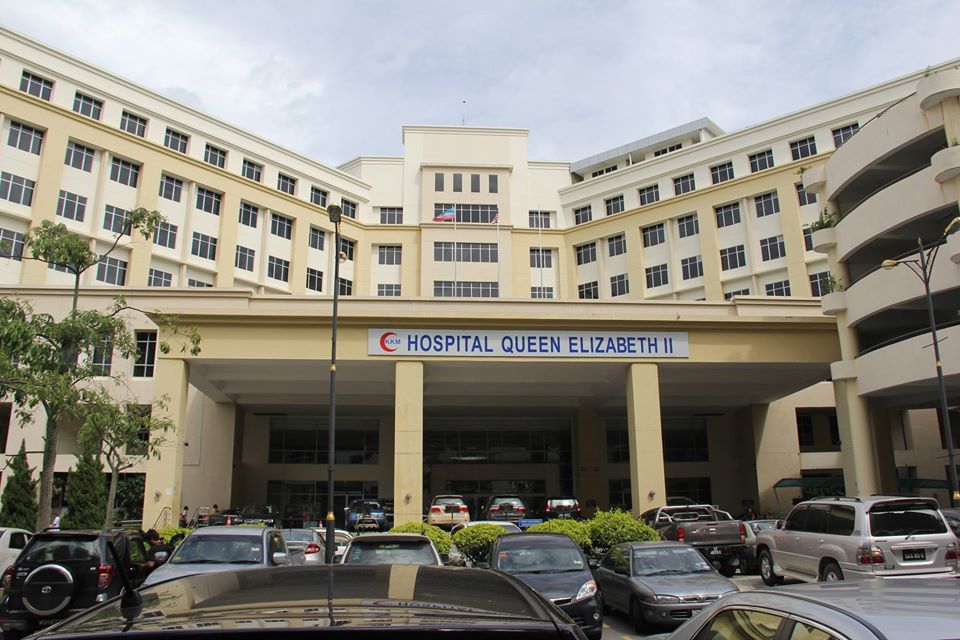
The three government cardiologists are at Queen Elizabeth II Hospital (HQE II), which also has a cardiothoracic surgeon. Five other cardiologists and another cardiothoracic surgeon are serving in private hospitals in Sabah.
To address this gap while awaiting the physical development of the Sabah Heart Centre, the Ministry of Health (MOH) has implemented the following strategies, such as a decentralisation and outreach initiative.
The provision of thrombolysis treatment for heart attack cases at the primary care level is being pursued at public health clinics to shorten treatment response time. Target clinics for implementation in this year are KK Telupid, KK Nabawan, KK Karakit, and KK Tungku in the state of Sabah.
Under the 13th Malaysia Plan, cardiology services, including an Invasive Cardiac Laboratory (ICL), are being developed at Tawau Hospital, and are expected to begin operations early next year.
In addition, a new clinical block at Duchess of Kent Sandakan Hospital is being planned to accommodate cardiology services.
The government has allocated RM80 million to upgrade existing facilities at HQE II. This includes expanding the emergency department, establishing a hybrid operating theatre (Hybrid OT), and reactivating beds in the cardiac intensive care unit (CICU) and the cardiac rehabilitation ward (CRW).
The MOH is also implementing a digital fellowship programme that involves virtual clinical mentoring (teleproctoring), where specialists at HQE II remotely monitor and guide medical officers in hospitals without specialists for diagnostic procedures such as echocardiograms and ECGs.


