

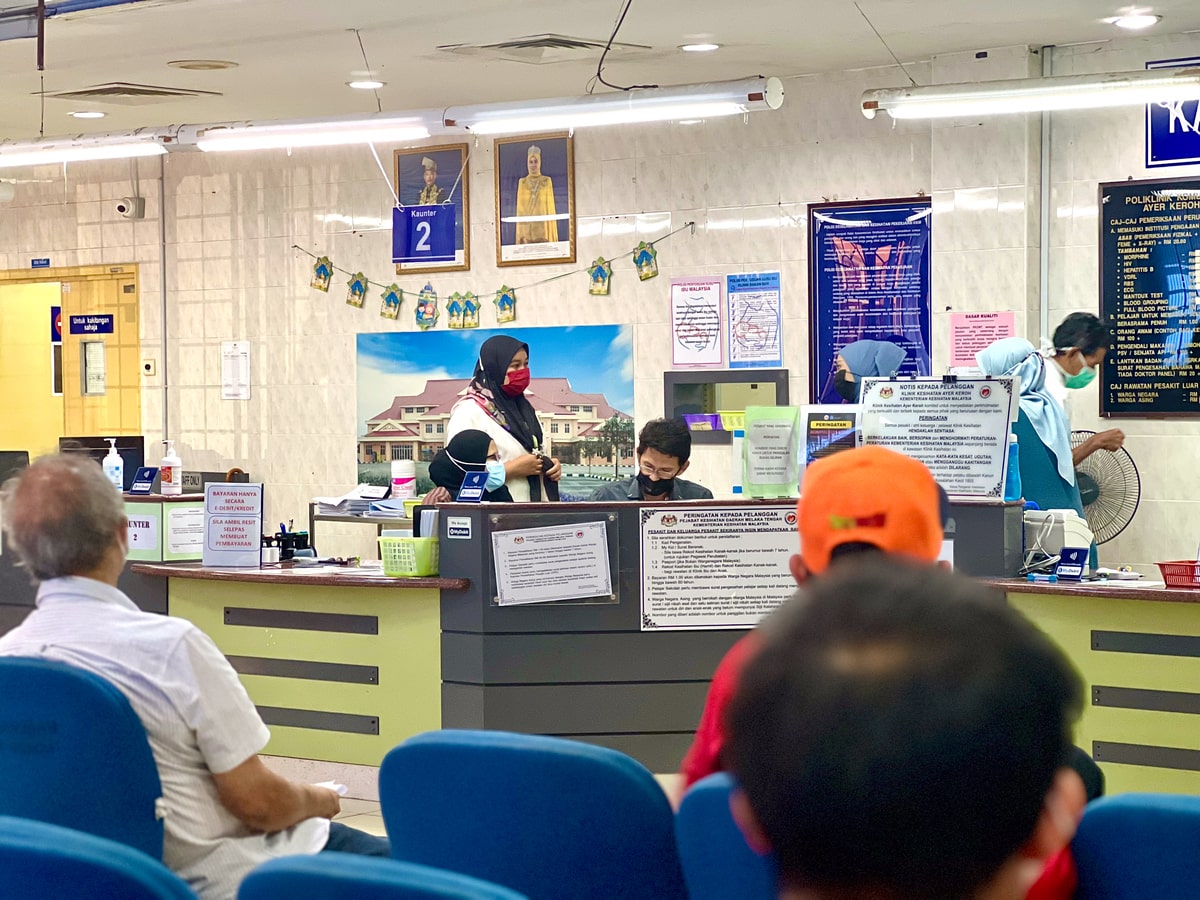
I entered medicine believing it was a calling rooted in service, humility, and lifelong learning. I believed it was a profession where growth was nurtured, where seniors guided juniors, and where compassion stood at the center of every decision.
But somewhere along the way, I began to notice something painful. The system does not always feel like it supports growth. Too often, it feels punishing.
In theory, medicine is built on mentorship. In practice, some seniors forget what it felt like to be lost, overwhelmed, and afraid. Instead of guidance, there is humiliation. Instead of correction, there is public shaming. Instead of protection, there is silence. Bullying is disguised as “teaching.” Harshness is justified as “building resilience.” But resilience does not grow from fear. It grows from support.
When some doctors become specialists, a subtle shift sometimes occurs. Titles expand. Empathy contracts. Authority becomes identity. The humility that once defined them is replaced by arrogance. Medical officers are looked down upon. Junior doctors become targets instead of teammates. Departments compete rather than collaborate, each convinced they are superior.
“Teamwork makes the dream work,” we say. Yet in corridors and meetings, there is a culture of blame. If something goes wrong, the question is not “How do we fix this together?”, but “Whose fault is this?” Ego overshadows patient care. Defensive medicine replaces collaborative medicine.
And perhaps most painful of all is how primary care is treated. “Prevention is better than cure”…we repeat this like a mantra. Yet when it comes to primary care, it is often ridiculed. Family medicine, community health, and preventive medicine are seen by some as less prestigious, complex, or important.
But who catches disease early?
Who manages chronic illness over decades?
Who sees the patient beyond the lab values?
Who understands the social determinants, the family dynamics, the silent suffering?
Primary care is not lesser medicine. It is foundational medicine. The arrogance does not stop within departments. It sometimes spills into patient relationships. Exhaustion, hierarchy, and ego create distance. We become abrupt. We interrupt. We forget that illness is terrifying to the person sitting across from us. We forget that medicine without compassion is merely technical work.
And so the cycle continues. The bullied become bullies.
The silenced become silent.
The humiliated normalise humiliation. A vicious circle of toxicity.
But cycles can be broken. Professionalism is not about titles; it is about conduct.
Teamwork is not about convenience; it is about shared responsibility.
Compassion is not optional; it is fundamental.
We need to return to basics. To humility, remembering that no department “owns” a patient. To respect, recognising that every role, from house officer to specialist, is essential. To mentorship, teaching firmly but kindly. To self-awareness, checking our ego before entering a ward.
Medicine was never meant to be a battlefield between colleagues. It was meant to be a sanctuary for patients and a community for healers. Growth does not happen in fear-based systems. It happens where questions are welcomed, mistakes are debriefed constructively, and effort is acknowledged.
We do not need more brilliance without empathy.
We need safe leaders.
We need collaborative systems.
We need doctors who remember why they chose this path.
Professionalism. Teamwork. Compassion.
Back to basics. Because at the end of the day, the measure of a doctor is not how loudly they command a room but how gently they hold a life in their hands.
The author is a medical officer at a public health clinic. CodeBlue is providing the author anonymity because civil servants are prohibited from writing to the press.
- This is the personal opinion of the writer or publication and does not necessarily represent the views of CodeBlue.

