

SUBANG JAYA, Nov 27 — PMCare Sdn Bhd, the oldest third-party administrator (TPA) in the country, has called for the enactment of an Act to regulate TPAs and managed care organisations (MCOs).
PMCare, which pioneered managed care in Malaysia in 1995 and is fully owned by Japan’s Sumitomo Corporation, said it would prefer to be regulated by the Ministry of Health (MOH), rather than other ministries or agencies.
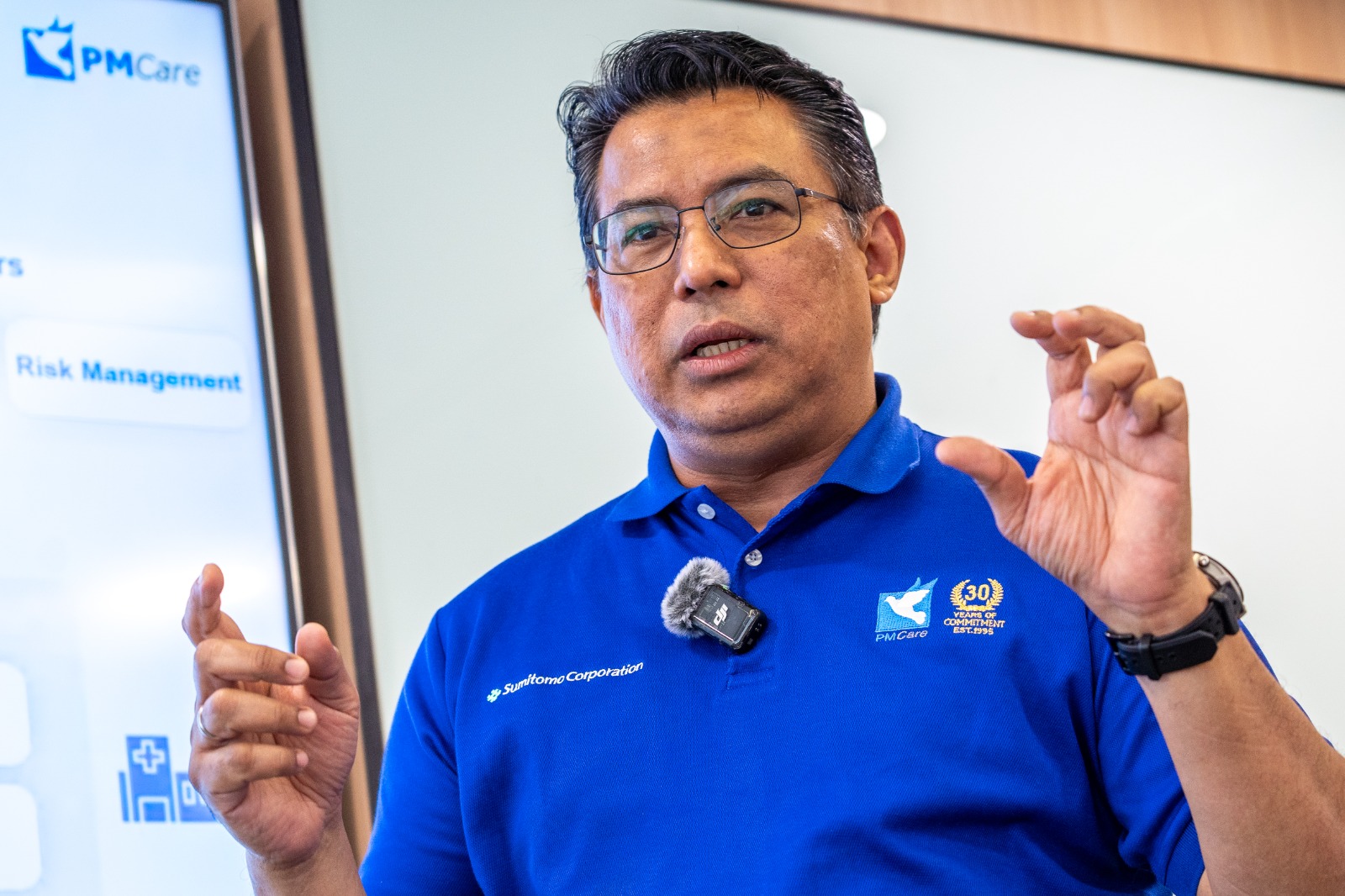
“We want to address the misperception of people that TPAs are just ‘middlemen’ that try to take advantage of other people,” PMCare chief executive officer Kamal Aryf Baharuddin told CodeBlue in an interview at PMCare’s office here last Thursday.
“For us personally, we would prefer to be under MOH because we are dealing with medical providers and this is pertaining to medical.”
Kamal said a standalone Act is crucial because currently, there are no specific criteria to become a TPA. “You just register and that’s it.”
This Act should set operational requirements for TPAs, like call centres, the minimum number of medical doctors in the company, headcount ratios, and payment terms for panel health care providers.
“Otherwise, the providers say, ‘We’ve been squeezed by everybody, we have not been paid’,” said Kamal.
He added that some health care providers have complained to PMCare about other TPAs not making payment for more than six months.
During their interview with CodeBlue, PMCare’s leadership team also said the standalone Act for TPAs and MCOs should define “clinical interference” by payers.
“If it’s under MOH, it would be much easier for us to get a decision there and then by CKAPs (Private Medical Practice Control Section) maybe and Amalan (Medical Practice Division),” said PMCare chief medical officer Dr Muhammad Ainuddin Mohamad Rusli.
“They also have their own associations of certain subspecialties and specialties. So this is where we can reach out to them to get their recommendation and opinions of the field.”

PMCare has 15 medical doctors, none of whom are specialists. But Kamal said the company’s doctors seek second opinions on disputed cases, whether a specialist from another private hospital or from CKAPS.
Then PMCare relates it to the health care provider of the disputed case. “They will call their medical team or that particular specialist to discuss, ‘this is the complaint or issue raised by the TPA’.”
CodeBlue reported last Tuesday an October 31 directive by MOH’s medical practice division that prohibited insurers and takaful operators (ITOs) and MCOs or TPAs from using the ministry’s previous letters as a blanket rule for all health insurance claims. The MOH said its medical opinions are limited and specific to the individual case referred.
With payers now banned from applying precedents for standard of care, Kamal raised concerns about how soon CKAPS could respond to TPAs’ requests for opinions on a case-by-case basis.
“If there’s any delay, it will affect doctors because the doctors have already submitted their claims. With that, the doctor will say, ‘you have not paid for my services’,” said Kamal. “So we want to avoid that.”

After the release of CodeBlue’s nationwide survey among over 850 private specialists, of which 99 per cent perceived payers’ interference with clinical decisions, lawmakers have called for the formation of an independent Private Health Care Commission to regulate both payers and providers. Most private health care charges aren’t regulated.
The operation of TPAs and insurers and takaful operators (ITOs) in health insurance also isn’t regulated, despite the billions of ringgit in transactions. Last year, PMCare processed more than 4.2 million claims transactions and paid out medical providers more than RM2 billion in medical claims.
PMCare told CodeBlue that it doesn’t impose blanket mandates like a generic-only policy or priority for local over general anaesthesia that were previously announced by other TPAs.
“All the doctors in our office will make noise,” said Kamal.
PMCare claims director Dr Armijn Mahpha Fansuri chimed in: “That’s what we actually said to him [Kamal] when we read about those things: ‘You know we will not be happy agreeing to this’.”
“Yeah, our doctors will definitely say, ‘No, this is nonsense’,” said Kamal. “I mean, with due respect to whichever organisation, they may have their own decision doing this.”
Dr Ainuddin said a policy limiting drug prescriptions to “only” generic versions (as opposed to generic-first) wouldn’t be safe for patient care.
“Everywhere, whether hospital or TPA, patient care comes first. We want to know which is the safest for our members or patients,” he said.
“Then only comes cost containment. Everyone wants the best for the patient. Then we need to weigh in regarding cost containment – whether it’s sustainable or not sustainable – because for every one of us, our resource is not unlimited.”
PMCare’s chief medical officer explained that for example, some members have RM100,000 annual health insurance coverage. “It’s not to say that your health or your life is only worth RM100,000 for that year, but those are the resources that you have to work with.”


