


I think about you sometimes.
You were ill, sedated, and intubated. You were going downhill.
We hadn’t yet bought a phone stand for the handphone someone had donated to the intensive care unit (ICU), so someone had to hold the phone over you while your family made a video call. They wanted to say goodbye in your last moments.
I held the phone over your face. One by one, your family members’ faces popped onto the screen. I couldn’t see them clearly because my own shield was foggy with breath and sweat, but I heard them cry. In between stuttering questions to me and pleas to God, they cried. My vision distorted even more as I tried not to cry too.
The call ended. You passed. My team worked 24 hours that day.
I think about you sometimes.
I met you in the ward. You were fighting for breath, sitting straight up, trying to get more air into your lungs. Your shirt was soaked through from your efforts.
Hampered by shields and suits, we moved as quickly as we could — sweat pouring down my back, discomfort forgotten in the rush of adrenaline to help you.
I lied to you that day. I told you not to worry. I said you’d be alright because we’d do our best to look after you. I said we should call your family so they could talk to you — because you could be asleep for a few days. You nodded.
We made the call, and you got to talk to your son for a few minutes. Maybe you knew I was lying. You had end-stage kidney failure, after all, and you knew the odds were stacked against you. But I didn’t want the last things you heard to be about all of that — I wanted to give you some hope.
You passed a few days later.
I think about you sometimes.
You were always so calm, even when you were breathless and I had to intubate you. While ventilated, you’d signal or write on a piece of paper to let us know that you’d heard. You wrote that you loved your family.
We gave you every resource available, but Covid ravaged your lungs. Long-term steroid treatment for lupus had made you immunocompromised. You fought for weeks but to no avail. Five years down the line, I still know your name.
I think about all of you sometimes.
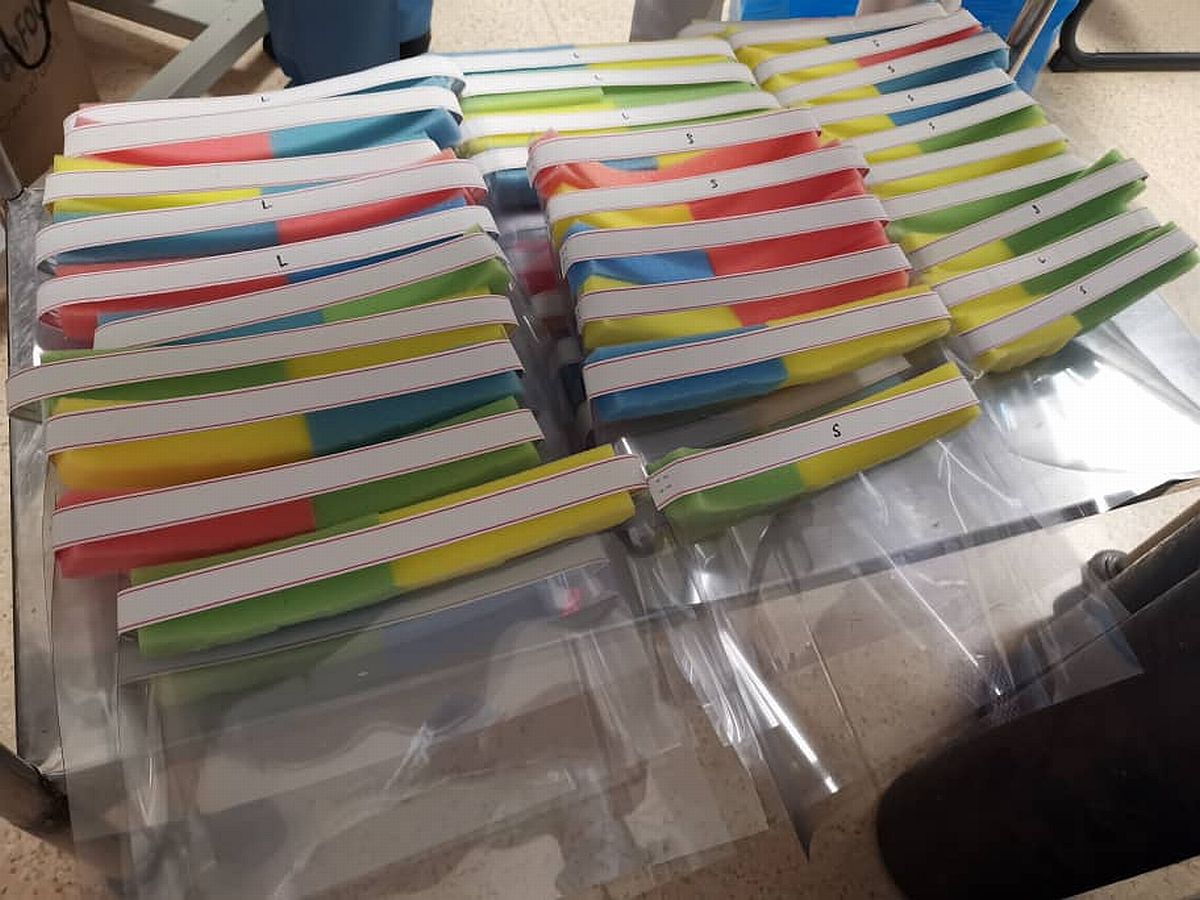
The people who banded together to make us PPE when there were none. Artists who used their supplies and skills. Homemakers who sewed boot covers. Stationery store owners who supplied plastic sheets and rubber bands for our shields.
Private businesses with 3D printers. Local businesses that moved containers full of PPE from across the sea. The charities, the religious groups, the restaurants. The rakyat who rallied to support us and each other. I will always, always feel grateful for each and everyone one of you.

The stories here are just a few of many. Covid aside, most—if not all—health care workers have, are facing, or will face difficult and traumatic clinical situations. It is the work we have signed up to do, and many of us are willing to serve for as long as we can while being expected, as always, to cope with any lack of resources by digging even deeper into our already exhausted pool of manpower.
It is this same pool of manpower that will hold the fort should a pandemic arise tomorrow, be it a wave of influenza or a disease borne by flying monkeys.
Which is why it feels like a slap in the face when our employers answer our calls for help seemingly without dialogue or discussion. Choosing to, yes, increase the on-call claims while simultaneously making them harder to claim and stretching manpower limits beyond what is safe or tolerable.
And while, yes, this decision has since been recanted, now a new policy has emerged — one that requires newly minted specialists to carry out the responsibilities and duties of their posts without adequate remuneration for a period of 18 months!
Yes, every job, every department, every industry has its issues. But right now, it feels like the Ministry of Health (MOH) is bleeding out.
Is MOH making major efforts to be as frugal as possible, or do they simply not think that health care workers deserve not only the revisions they’re asking for, but their existing pay?
Yes, I am grateful to have a job. Yes, I am grateful for my colleagues and immediate supervisors.
Yes, I will gladly serve my fellow Malaysians to the best of my abilities for as long as I can.
But serving my employers?
That’s something many of us are thinking twice about.
The author served Sarawak General Hospital during the Covid-19 pandemic and is currently working as an anaesthesiology medical officer in the Ministry of Health. CodeBlue is giving the author anonymity because civil servants are prohibited from writing to the press.
This article is part of a special CodeBlue series marking the fifth anniversary of the World Health Organization declaring Covid-19 as a global pandemic on March 11, 2020.
- This is the personal opinion of the writer or publication and does not necessarily represent the views of CodeBlue.


