

KUALA LUMPUR, June 11 — Malaysians may need to reduce chicken consumption during global crises to ease pressure on supplies and reduce the impact of disruptions in the international food supply chain, Universiti Putra Malaysia (UPM) experts said.
Speaking on a podcast titled “National Food Security and the Era of Global Uncertainty” last Tuesday, Prof Anjas Asmara @ Abdul Hadi Abd Hadi Samsudin, director of UPM’s Institute of Tropical Agriculture and Food Security, said Malaysia’s heavy reliance on imported grain corn for animal feed leaves the country vulnerable to external shocks.
Malaysia imports about 90 per cent of its grain corn requirements, a key ingredient in poultry feed. “That’s why at one point of the Russia-Ukraine war, we proposed reducing chicken consumption,” Anjas said during the discussion.
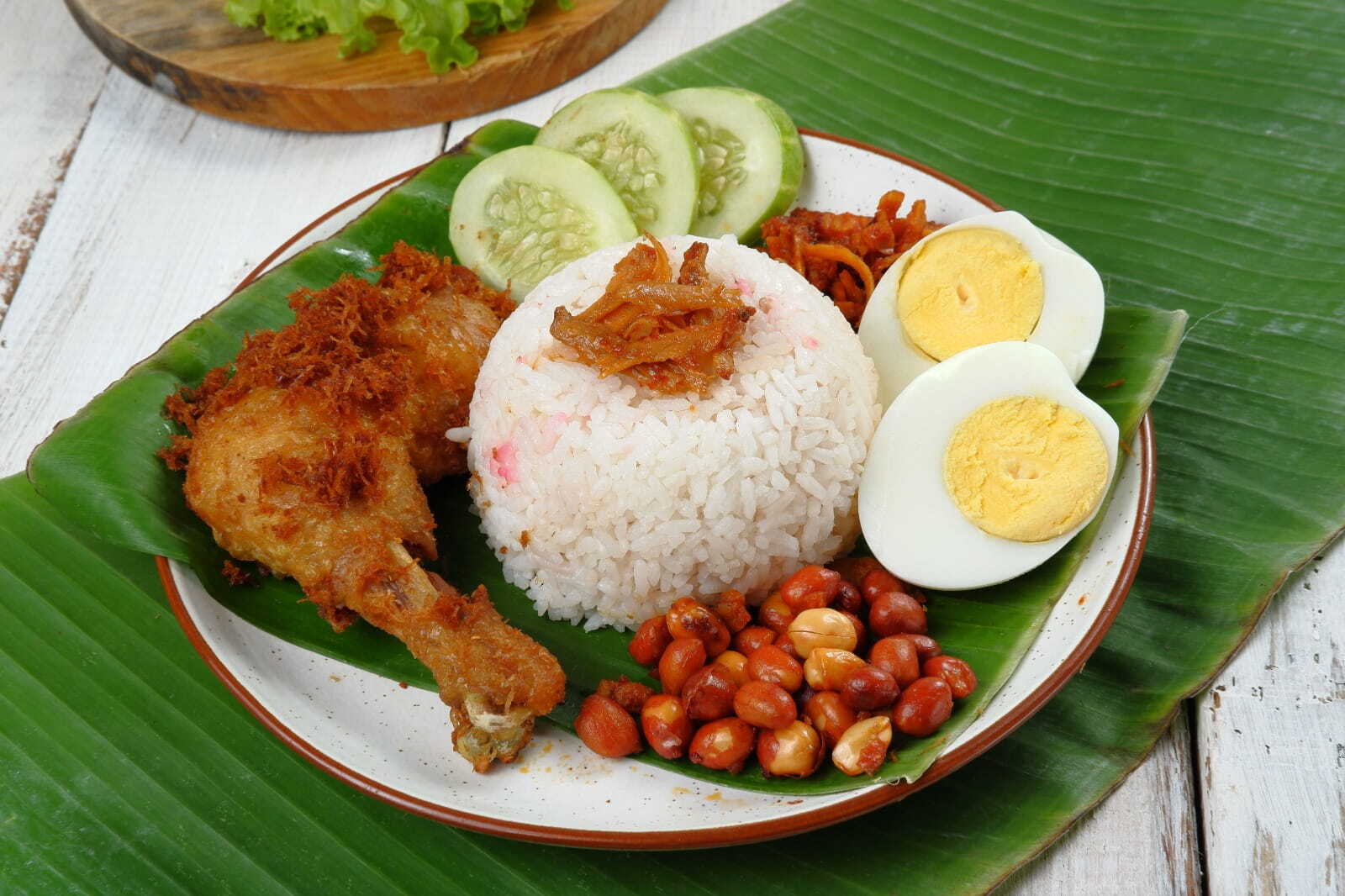
“For example, in our diet, we eat nasi lemak with chicken in the morning. At lunch, chicken again. At night, chicken again. Instead of eating chicken three times a day, we can cut it down to once a day.”
Anjas stressed that the proposal was not aimed at eliminating chicken from Malaysian diets entirely, but encouraging consumers to diversify their protein sources. “We are not preventing it 100 per cent. We simply need to look at other protein alternatives,” he said, citing plant-based proteins such as tempeh.
According to Anjas, Malaysia is the world’s third-highest consumer of chicken, at approximately 49kg per capita annually, behind only the United States and Israel.
He said the country’s dependence on poultry is partly driven by affordability, as chicken remains significantly cheaper than red meat and many fish varieties.
However, that dependence also exposes consumers to price increases when disruptions occur elsewhere in the global agricultural supply chain. Anjas cited soaring chicken prices during the Russia-Ukraine war that had disrupted the global fertiliser market.
Ukraine is a major producer of urea fertiliser, widely used in grain corn cultivation around the world. Due to the war, grain corn producers were forced to switch to more expensive alternatives, increasing production costs that were eventually passed along the supply chain.
“Businesses will not absorb those losses themselves. They pass the losses on to the next party in the chain, which is the trader, and traders then pass those costs on to consumers,” Anjas said.
“When a global crisis occurs, it disrupts the entire food supply chain. In the end, the people who bear the impact are consumers.”
Anjas said the government subsequently launched efforts to increase domestic grain corn production, targeting 30 per cent self-sufficiency.
Projects involving the Malaysian Agricultural Research and Development Institute (Mardi) and the Department of Agriculture have been initiated in northern Peninsular Malaysia, including in Chuping, Perlis, where former sugarcane plantations have been converted for grain corn cultivation.
The current United States-Iran war, which has been ongoing for more than 100 days, has similarly disrupted global fertiliser supplies. Earlier today, the US and Iran traded strikes for the second consecutive day, putting a fragile two-month-old ceasefire on the brink, as Iran reportedly announced the complete closure of the Strait of Hormuz to all vessels.
Malaysian poultry producers previously warned in March of more expensive chicken and eggs due to rising global costs of animal feed. Protein forms a quarter of Malaysia’s healthy plate (Suku-Suku Separuh) model and is prioritised in the United States’ inverted food pyramid.
Argentina Port Strike Exposed Malaysia’s Reliance On Imported Feed
Prof Awis Qurni Sazili, director of UPM’s Halal Products Research Institute, said grain corn remains one of the most critical vulnerabilities in Malaysia’s poultry sector.
“Malaysia still has to import at least 90 per cent of its grain corn,” Awis said.
Although local production is possible, he noted that grain corn requires hot and dry conditions and is more difficult to cultivate than sweet corn because high humidity increases the risk of fungal contamination and aflatoxin formation.
Awis recalled a previous disruption involving Argentina, one of Malaysia’s grain corn suppliers, when labour unrest at Rosario port delayed exports.
Malaysia was forced to source grain corn urgently from alternative suppliers, but the imported grain was reportedly of lower quality. “I was informed that many broiler chickens experienced stunted growth and did not grow to the required size,” Awis said.
The incident highlighted how disruptions thousands of kilometres away can affect domestic food production and prices, underscoring Malaysia’s continued reliance on imported feed inputs despite efforts to strengthen food security.
For Anjas, reducing chicken consumption during periods of supply stress remains one tool available to consumers and policymakers alike. “One way we dealt with the crisis at that time was by reducing chicken consumption,” he said.
Climate, Feed Challenges Hamper Local Beef Production
The experts also highlighted Malaysia’s continued dependence on imported beef, with domestic production remaining well below national targets.
Awis said Malaysia currently produces less than 30 per cent of its beef requirements, despite a target of achieving 40 per cent self-sufficiency under the National Agrofood Policy 2021-2030 (DAN 2.0).
“If we look at beef, we are still far behind. I think we are currently at less than 30 per cent,” Awis said. “A large portion of that 70 per cent (of imported beef) is actually buffalo meat from India because we have a trade agreement involving palm oil and buffalo meat.”
Malaysia’s beef imports also come from countries such as Australia, New Zealand, and Brazil.
Awis said efforts to strengthen domestic livestock production require more than simply expanding cultivation areas, pointing to the need for research and agro-technology investment to support local feed production.
Referring to plans to expand grain corn cultivation in areas such as Chuping, Awis said researchers must identify corn varieties that can withstand Malaysia’s hot and humid conditions.
“In terms of the corn varieties, research must be carried out to ensure that the varieties we want to plant are resilient. They must be able to withstand Malaysia’s climate and high humidity,” he said.
“We do not know what will happen with climate change. Perhaps one day even the humidity levels in Chuping could increase.”
Could Cultured Meat Be Part Of Malaysia’s Food Security Strategy?
Beyond conventional livestock farming, Awis also pointed to cultured meat as a potential long-term option for strengthening food security amid challenges arising from climate change, land constraints, and supply chain disruptions.
He noted that countries such as Israel have invested heavily in cultured meat technology to reduce dependence on traditional livestock production and strengthen domestic food resilience.
“Israel has to ensure that its food security is safeguarded, especially for red meat,” Awis said. “It wants to ensure that it can produce meat in laboratories. There is no need for livestock farmers; it can produce meat itself.”
Awis noted that while many European countries have developed cultured meat technology, many remain reluctant to commercialise it on a large scale. Singapore became the first country in the world to approve cultured meat for commercial sale, while UPM has completed a government-funded feasibility study on the technology.
However, Awis said Malaysia has yet to decide whether cultured meat should be commercialised domestically, with policymakers needing to consider production scale, economic viability, and regulatory requirements.
Halal compliance also remains a key hurdle. According to Awis, cells used to produce cultured meat must originate from animals prior to slaughter according to Islamic requirements.
In addition, many existing production methods rely on foetal bovine serum, a blood-derived growth medium that may complicate halal certification. Researchers are currently exploring plant-based and synthetic alternatives to replace blood-derived ingredients.
Agriculture and Food Security Minister Mohamad Sabu said last Tuesday that the government was exploring the commercialisation of cultured meat as an alternative source of protein.


