

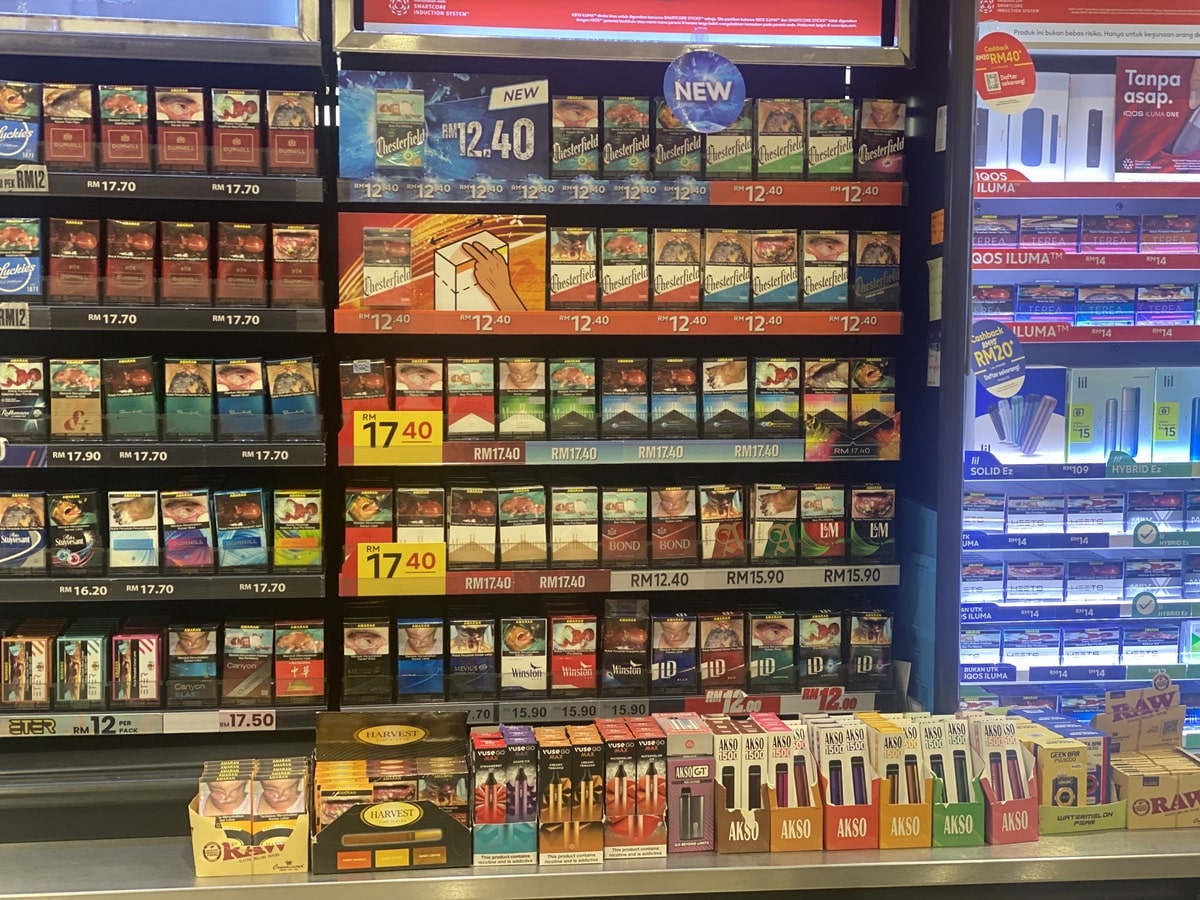
The Malaysian Council for Tobacco Control (MCTC) emphasises that increasing tobacco excise taxes is among the most effective measures to reduce smoking prevalence, particularly among youth and low-income groups who are more price-sensitive.
However, to ensure that price increases are truly effective and not undermined by the illicit market, comprehensive and coordinated enforcement must serve as the primary foundation of its implementation.
Tax Increase: A Proven Public Health Policy Instrument
In line with Malaysia’s commitment to the WHO Framework Convention on Tobacco Control (FCTC), signed on 23 September 2003 and ratified on 16 September 2005, fiscal measures such as tax increases form part of the strategy to reduce demand for tobacco products.
Global evidence consistently shows that price increases through taxation:
- Reduce smoking initiation among adolescents
- Encourage existing smokers to quit
- Reduce consumption among high-risk groups
The fact that tobacco taxes have not been increased since 2015 demonstrates the urgent need to review this fiscal policy to achieve the “smoking product endgame” target by 2045.
Illicit Market Issue: Enforcement Is Key
The narrative that tax increases will automatically lead to higher levels of smuggling is often exaggerated by the tobacco industry. The World Bank report Confronting Illicit Tobacco Trade: A Global Review of Country Experiences indicates that illicit trade is more closely linked to weaknesses in enforcement and governance rather than tax rates alone.
Therefore, MCTC stresses that tax increases must be implemented in tandem with strengthening supply chain control and monitoring systems.
Malaysia should also promptly ratify the Protocol to Eliminate Illicit Trade in Tobacco Products, which aims to eliminate all forms of illicit trade in tobacco products in accordance with Article 15 of the FCTC. Ratification will strengthen licensing mechanisms, track-and- trace systems, and cross-border cooperation.
Coordinated Enforcement as the Basis of Effectiveness
Currently, tobacco control functions are divided among several agencies:
- Retail sales licensing under the National Kenaf and Tobacco Board
- Smoking bans and advertising regulations under the Ministry of Health Malaysia
- Duty control and tax stamping under the Royal Malaysian Customs Department
- Waste management, including cigarette butts, under the Solid Waste Management and Public Cleansing Corporation
This fragmentation of jurisdiction leads to overlaps and resource constraints. MCTC proposes the coordination of enforcement powers at the local authority level (PBT), with a clear mandate and adequate resources.
This integrated approach will:
- Reduce tax revenue leakages
- Combat non-duty-paid products
- Improve retailer compliance
- Strengthen the effectiveness of price increase policies
Without a strong enforcement foundation, the positive impact of tax increases will be eroded by the illicit market.
Public Health Returns Exceed Fiscal Revenue
The cost of treating smoking-related diseases is estimated at RM4 for every RM1 of tax revenue collected. Therefore, tobacco tax increases are not merely a revenue-generating instrument but a long-term public health investment that reduces the burden on the health care system and enhances national productivity.
Towards 2045: Firm Policy and Strong Implementation
To ensure the 2045 target is achieved, MCTC calls for:
- Regular and progressive increases in tobacco excise taxes
- Immediate ratification of the Protocol to Eliminate Illicit Trade in Tobacco Products
- Coordination and strengthening of enforcement at all levels
- Protection of public policy from tobacco industry interference in line with Article 5.3 of the FCTC by enacting Mandatory Guidelines for all officials involved in public policy formulation
Malaysia has made an international commitment to protect future generations from the harms of tobacco. A tax increase is a critical step — but the foundation of its success lies in comprehensive, consistent, and integrity-driven enforcement.
This statement was issued by MCTC president Prof Dr Murallitharan Munisamy.
- This is the personal opinion of the writer or publication and does not necessarily represent the views of CodeBlue.


