

In 1982, United Nations Children’s Fund (UNICEF) director James Grant launched the GOBI child survival strategy, an evidence-based, low-cost strategy to combat high child mortality in resource-limited settings:
- G for Growth monitoring.
- O for Oral rehydration therapy.
- B for Breastfeeding.
- I for Immunisation.
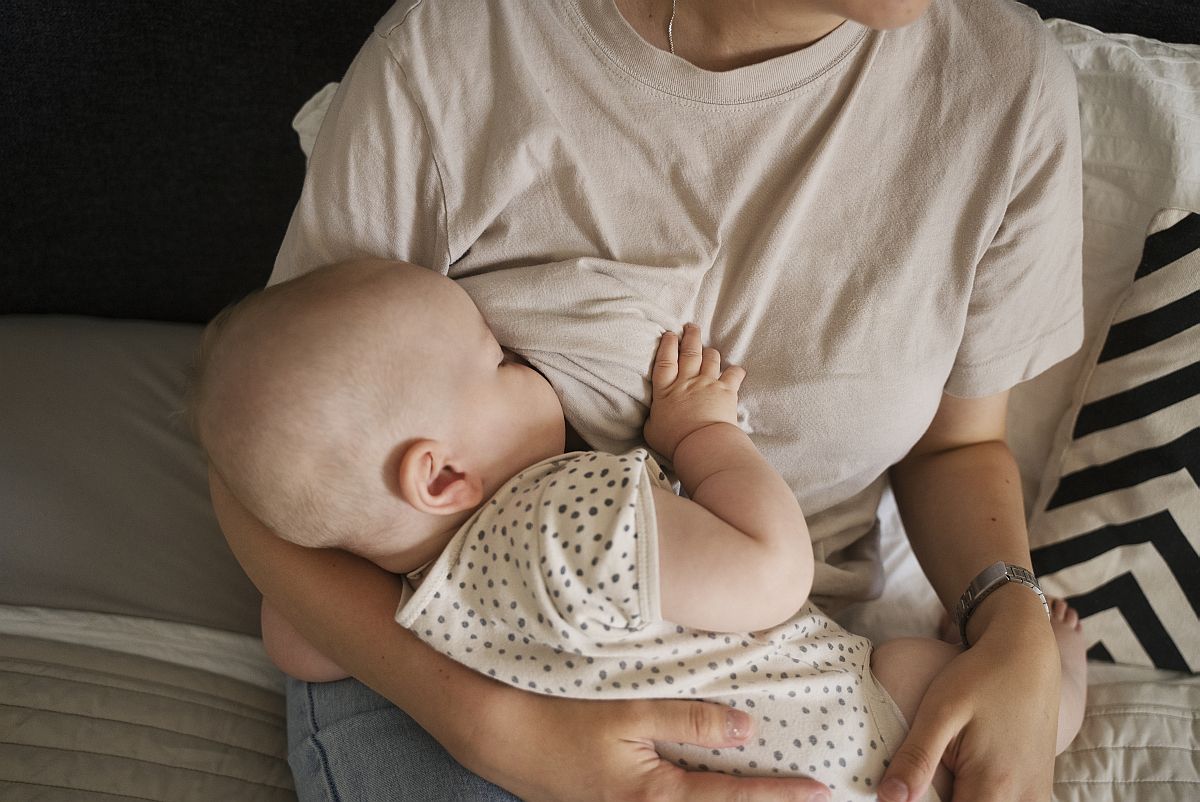
Breastfeeding is one of the most powerful natural interventions in public health, as a primary prevention strategy against infectious disease, malnutrition, and non-communicable conditions.
Its significance is formally enshrined within two pivotal global frameworks: the GOBI child survival strategy and the Baby-Friendly Hospital Initiative (BFHI). Together, these initiatives translate the robust scientific evidence for breastfeeding into actionable health policy and clinical practice.
Within GOBI, B for Breastfeeding is the cornerstone preventative measure. Exclusive breastfeeding directly prevents the two leading causes of under-five mortality, namely diarrhoea and acute respiratory infections.
Breastfeeding potentiates the effectiveness of other GOBI components:
- A well-nourished, breastfed child responds more robustly to immunisations (I).
- Breastfeeding reduces the incidence of diarrhoea, thereby decreasing the need for oral rehydration therapy (O).
- It also promotes optimal growth (G), reducing rates of undernutrition and stunting.
Thus, GOBI operationalises breastfeeding as a population-level, life-saving public health intervention.
While GOBI identifies what to do, the BFHI, launched in 1991 by the World Health Organization (WHO) and UNICEF, defines how health systems should support breastfeeding.
The WHO and UNICEF recommend exclusive breastfeeding for the first six months, followed by continued breastfeeding alongside complementary foods for up to two years.
The BFHI is a quality improvement and certification framework based on the Ten Steps to Successful Breastfeeding, which are grounded in strong scientific evidence. These steps create an environment that empowers all mothers to initiate and establish breastfeeding.
The synergy is clear: the BFHI ensures the successful initiation of breastfeeding, which in turn is the foundational element for achieving the mortality reduction goals of the GOBI strategy.
Together, they represent a comprehensive approach — from global policy to bedside practice—to harness one of nature’s most powerful public health tools.
The Ten Steps to Successful Breastfeeding was drafted in the late 1980s by Dr Audrey Naylor from Wellstart and Dr Felicity Savage King at WHO.
The Innocenti Declaration on the Protection, Promotion and Support of Breastfeeding (1990) is a landmark WHO/UNICEF agreement setting global goals for optimal infant and child nutrition, advocating for exclusive breastfeeding to 6 months, and continued breastfeeding to age two.
The BFHI was a key programme launched under the Declaration to help hospitals implement the “Ten Steps to Successful Breastfeeding”.
BFHI Milestones In Malaysia
BFHI activities began with the attendance of four health care professionals at the six-week Lactation Management Course in 1992, at Wellstart, San Diego:
- Dr Paramjothi Ponnampalam (obstetrician and gynaecologist, Ministry of Health (MOH).
- Dr Musa Mohd Nordin (paediatrician, MOH).
- Fatimah Salim (nutritionist, MOH).
- Rokiah Don (nutritionist, MOH).
Together, the Malaysian quartet prepared the blueprint of action for the transformation of hospitals in Malaysia to be Baby Friendly Hospitals (BFH).
Timeline of the BFHI in Malaysia:
- 1991: BFHI was nationally launched.
- 1996: Seremban was the first MOH hospital to be declared as BFH in 1996.
- 1997: All hospitals in Malaysia were accredited by the WHO and UNICEF as BFHs.
- 1998: Malaysia was declared as the third country to be baby friendly.
- 1998: Reassessment of the BFHI status began in 1998.
- 2001: Pantai Medical Centre was the first private hospital in Malaysia to be declared as a BFH.
The National Health and Morbidity Survey in 2022 showed:
- 64.3 per cent early initiation of breastfeeding among children born in the last 24 months.
- 94.9 per cent were ever breastfed among children in the last 24 months.
- 50.6 per cent continued breastfeeding among children aged 12 to 23 months.
Exclusive breastfeeding rates increased from 14.4 per cent in 2009 to 61.5 per cent in 2017.
More recent data (2025) from Klinik Kesihatan nationwide showed that the exclusive breastfeeding rate had increased to 73.7 per cent.
The highest rates were more than 85 per cent in Putrajaya, Terengganu, and Kelantan. The lowest below the benchmark of 73 per cent were in Perlis, Pulau Pinang, Perak, Negeri Sembilan, Melaka, Sabah, Labuan, and Sarawak
Impact Of BFHI
The impact of the BFHI is far-reaching, beyond just a lactation project to protect, promote, and support breastfeeding:
- It is mother friendly, because it values women’s contributions to children’s health and the global community. It eases her tasks of motherhood by ensuring mother friendly obstetric services in hospitals.
- It is child friendly, ensuring lots of space to run around, play, have fun, and enhancing learning.
- It is women friendly, fostering gender equity, empowering women, and integrating women’s productive and reproductive activities.
- It is family friendly, where breastfeeding is a family event, increasing the cohesiveness of the family unit.
- It is economy friendly, saving costs for the family and is cost-beneficial for the community and nation.
- It is environment friendly, among others, not requiring fossil fuels or cutting down trees for heating water, thus mitigating the effects of climate change.
Dr Musa Mohd Nordin is from the Malaysian Paediatric Association (MPA), and Rokiah Don and Fatimah Salim are nutritionists at the Ministry of Health.
- This is the personal opinion of the writer or publication and does not necessarily represent the views of CodeBlue.


