

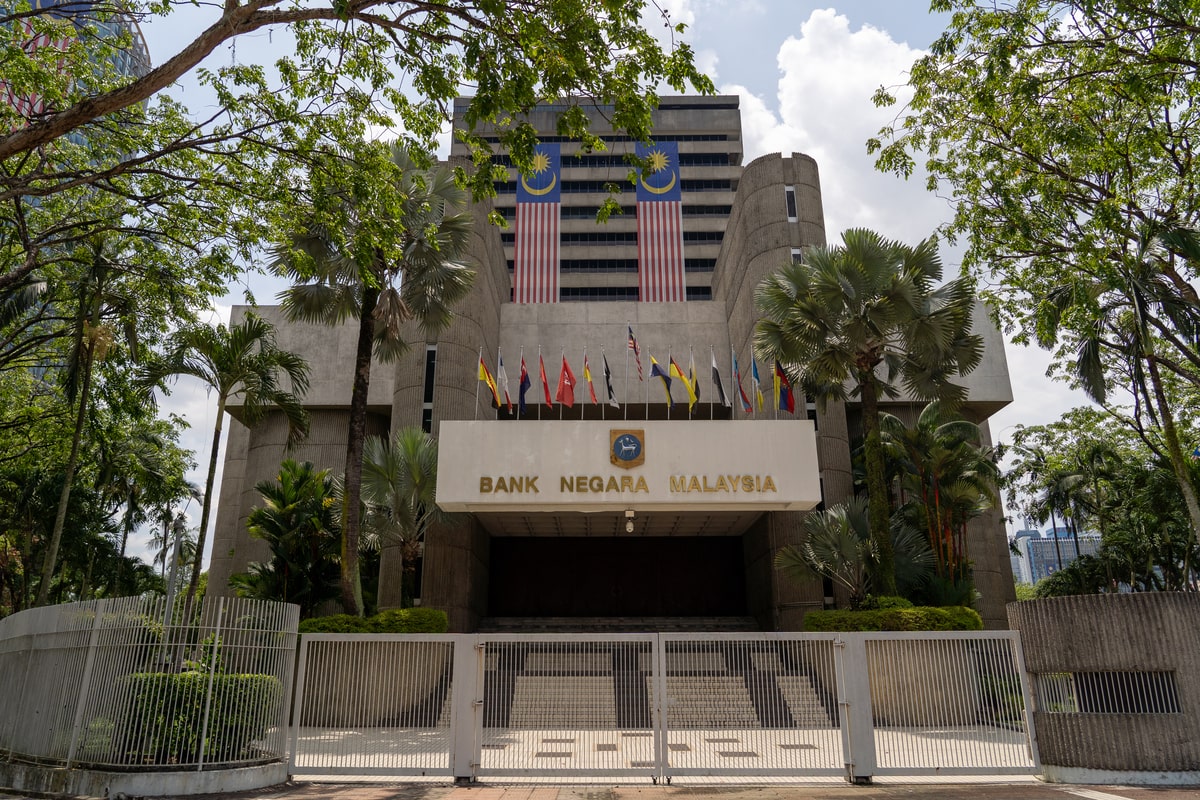
KUALA LUMPUR, March 25 — Bank Negara Malaysia (BNM) has called for greater price transparency in private health care and the expansion of mid-tier hospital beds under the Ministry of Health’s (MOH) Rakan KKM initiative that has yet to be launched.
The recommendations, outlined in BNM’s Annual Report 2024, are part of broader efforts to curb medical inflation in Malaysia, which is projected to reach 15 per cent in 2025—well above global and regional averages.
Rising Medical Insurance Claims And Costs
According to the central bank, total claims under medical health insurance and takaful (MHIT) surged by 73 per cent between 2021 and 2023, far outpacing the 21 per cent growth in premiums collected.
“Apart from higher average costs of treatments, this was also driven by more frequent utilisation of medical services as seen by the increase in claims frequency. In 2018, eleven claims were made for every 100 policyholders but by 2023, this number more than doubled to 25 claims,” BNM said.
This issue is further compounded by high and unregulated charges for hospital supplies and services (HSS), including drugs, laboratory fees, and consumables such as gloves.
“Given that the HSS component constitutes 59 to 70 per cent of overall private hospital bills, depending on the type of treatment (i.e. non-surgical vs surgical), its impact on overall claims costs is significant,” BNM said, noting that price variations between hospitals remain wide.
The design of MHIT products also plays a role in rising costs, BNM said.
“MHIT products with high utilisation limits, such as up to RM8 million annually and without lifetime limits, are generally associated with higher health care utilisation.
“Additionally, differences in total charges have been observed for the treatment of similar medical conditions between policyholders who receive treatment via cashless facilities, where ITOs issue guarantee letters and make direct payment to medical providers, and those who first make payments out-of-pocket (OOP) and then seek reimbursement from ITOs,” BNM said.
The sustained rise in claims costs—driven by higher treatment costs and increased health care utilisation—has led ITOs to review and adjust premiums to reflect future claims expectations.
BNM noted that while premium adjustments are routine, post-Covid hikes in Malaysia have been more significant, partly due to deferred adjustments during the pandemic to ease burdens on policyholders.
“In 2024, some of the premium adjustments were quite significant. While 61 per cent of affected policies experienced less than 20 per cent premium increase, about 9 per cent of affected policies experienced more than 40 per cent premium increase,” BNM said.
Addressing Rising Premiums And Health Care Affordability
BNM has since introduced a number of interim measures to allow some time for the implementation of critical broader health reforms to contain medical inflation.
These include spreading premium hikes over three years, capping annual increases at below 10 per cent for 80 per cent of policyholders, and offering a one-year premium freeze for those aged 60 and above on minimum MHIT plans.
However, to tackle the “root causes” of rising medical inflation, BNM has urged MOH to improve price transparency in private health care. The central bank proposed requiring hospitals to publish price ranges for common treatments or health care services, as well as mandating retail drug price disclosures to encourage competition.
“Additionally, a mechanism to consistently produce, monitor and publish key medical inflation measures will be developed, including to better align the methodology with how general inflation is calculated. To support the initiatives, MOH will also undertake regulatory and legislative review of current oversight arrangements of private hospitals,” BNM said.
The MOH lacks the statutory authority (“punca kuasa”) to regulate private hospital charges, aside from doctors’ fees under the Private Healthcare Facilities and Services Act 1998.
BNM also highlighted the Rakan KKM initiative to “increase the supply of affordable, mid-tier hospital beds,” which will be implemented and expanded by MOH. The initiative, it said, can serve as a “price benchmark” and is expected to provide “more cost-effective options” for policyholders while encouraging the growth of not-for-profit hospitals.
Additionally, BNM pointed to the introduction of diagnosis-related groups (DRG) to replace the current fee-for-service model at hospitals. Under DRG, patients are classified based on diagnoses and medical needs, adjusting for severity and comorbidities, with pre-determined payment amounts assigned to each category. “This incentivises efficiency and health outcomes, while providing greater price predictability,” BNM said.
DRG pricing was among the key recommendations made by the Life Insurance Association of Malaysia (LIAM), the Malaysian Takaful Association (MTA), and the General Insurance Association of Malaysia (PIAM) to the Public Accounts Committee (PAC) in Parliament last month.
The Association of Private Hospitals Malaysia (APHM) is also open to implementing DRG but warned that adopting the system without sufficient data could lead to failure, noting that the US took four years to pilot DRG before integrating it into Medicare and Medicaid.
BNM is also working to transform MHIT offerings by developing a base MHIT product designed as a “scalable” solution to ensure more sustainable premiums over the long term through “larger risk pooling.”
Medical and health insurance (MHIT) currently operates by pooling risks among policyholders to distribute claim costs and ease individual financial burdens.
Premiums are typically non-guaranteed and subject to periodic adjustments based on medical inflation and overall claims within the pool. If costs rise beyond expectations, all policyholders—regardless of whether they have made claims—face premium hikes to sustain the pool.
Premiums also vary based on factors like age, medical history, and lifestyle, with age being a key determinant. Older policyholders generally pay higher premiums due to increased health risks and medical usage. For instance, policyholders aged 70-79 file 30 claims per 100 people, compared to just seven claims in the 20-29 age group.
While this pricing structure helps distribute costs fairly, it raises concerns over affordability for retirees who need coverage the most, BNM said.
“Community-rated models where everyone pays the same premium regardless of age and other risk factors is an alternative to the current risk-rating model adopted by ITOs in Malaysia.
However, without sufficient scale, appropriate incentives and public policy interventions (e.g. mandatory participation), it can lead to other problems such as adverse selection, low innovation and unsustainable premiums,” it said.
BNM is also advocating for the interoperability of electronic medical records (EMR) across hospitals to improve accessibility and continuity of care. By enhancing data portability, the initiative aims to reduce duplicate tests and procedures, improving efficiency and lowering costs over time.
Impact Of Spreading Premium Adjustments Over Three Years
Separately, BNM’s Financial Stability Review for the second half of 2024 highlights that spreading medical premium adjustments over three years is expected to negatively impact the net underwriting income of life insurers and family takaful operators.
According to the report, medical payouts by life insurers and family takaful operators rose to RM6.2 billion in the second half of 2024, from RM5.3 billion in both the first half of 2024 and second half of 2023.
This increase was attributed to a rise in overall average cost and utilisation of medical treatments, particularly for chronic and acute cases. BNM noted that this drove premium adjustments to sustain long-term coverage under MHIT policies.
Despite BNM’s call for insurance/takaful operators (ITOs) to limit medical insurance premium increases due to medical claims inflation to 10 per cent annually until the end of 2026, Prudential Malaysia recently announced a hike in medical insurance premiums.
This prompted PKR lawmakers today to demand intervention from the central bank.


