

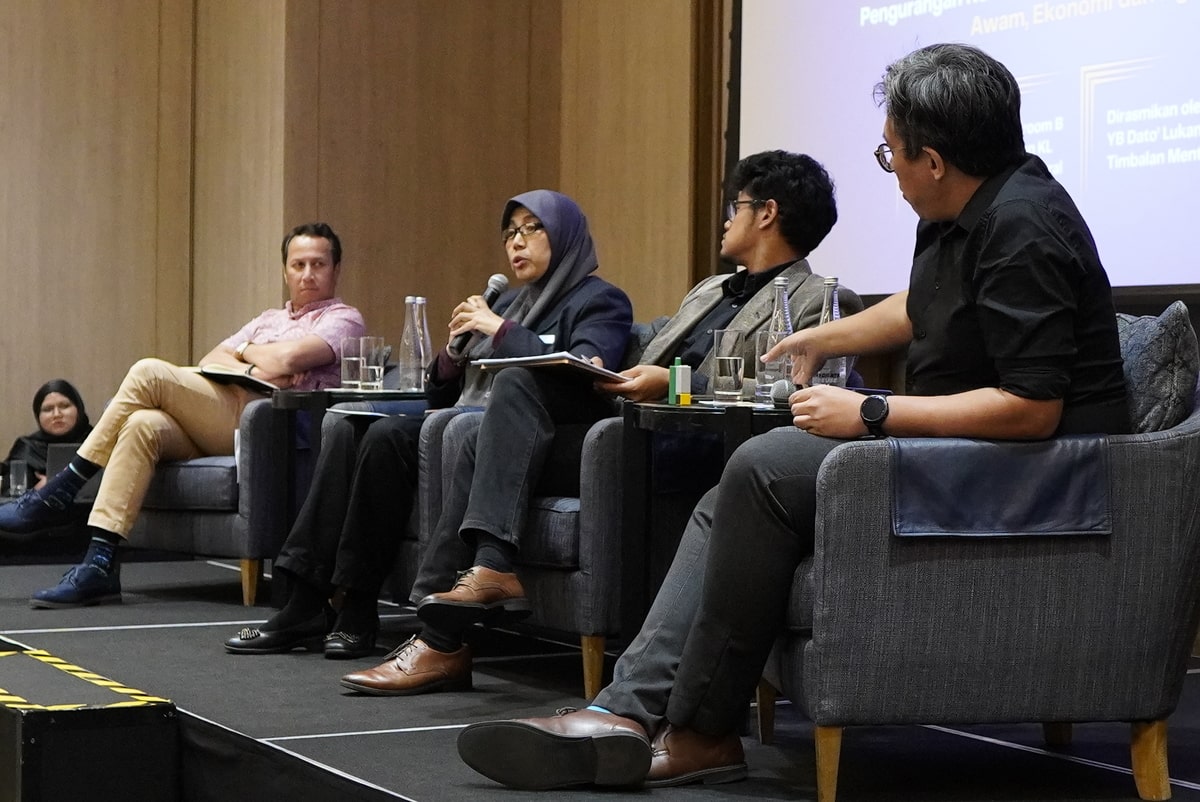
KUALA LUMPUR, Oct 25 — Stakeholders from Malaysia’s health, economic, and Islamic religious sectors gathered last Wednesday at the Roundtable Discussion on Harm Reduction for Disease Control and Prevention to stress the urgent need to scale up harm reduction strategies.
The event, organised by the Harm Reduction Action Network (HaRAN) in collaboration with Humanize Malaysia and DM Analytics, focused on enhancing harm reduction efforts in areas such as HIV/AIDS, tobacco use, and unhealthy dietary habits to alleviate mounting public health challenges.
In his keynote address, Deputy Health Minister Lukanisman Awang Sauni, underscored the effectiveness of Malaysia’s harm reduction initiatives, particularly the Needle and Syringe Exchange Program (NSEP) and Opioid Substitution Therapy (OST), in curbing the spread of HIV among people who inject drugs (PWID).
“Our success with programmes like NSEP and OST has shown that science-based public health interventions not only benefit individuals but also reduce pressure on our health care system and protect society as a whole,” he said.
Lukanisman also highlighted the alignment of harm reduction with the Health White Paper, Malaysia’s 15-year strategic health care reform plan.
“Harm reduction is a key component in shifting our focus towards prevention. By implementing these approaches, we can significantly reduce both public health and economic burdens on the nation’s health care system,” he emphasised.
“As Malaysia faces increasing pressure from an ageing population and a rise in non-communicable diseases (NCDs), the financial burden on the health care system is expected to grow unless harm reduction is implemented on a broader scale.”
Expanding harm reduction efforts offers significant economic benefits, as discussed by several experts at the roundtable. They highlighted that harm reduction strategies – whether for HIV prevention, tobacco control, or diet improvement – save health care costs by preventing chronic diseases like cancer, cardiovascular disease, and diabetes.
Addressing high sugar intake to prevent diabetes and other metabolic disorders will significantly reduce Malaysia’s future health care burden.
Another key theme that emerged was the pragmatic nature of harm reduction when dealing with complex human behaviours like addiction and unhealthy lifestyles.
Experts noted that these behaviours often stem from deep psychological and social factors, and harm reduction offers a realistic, compassionate approach by meeting people where they are.
This approach allows individuals to manage risks and gradually reduce harm, rather than expecting them to completely stop risky behaviours.
Harm reduction is seen as a vital tool for mitigating future health care crises, by preventing behaviours from escalating into more serious health conditions.
The discussion also touched on the compatibility of harm reduction with Islamic values, with religious leaders affirming that safeguarding life and health is a moral obligation in Islam.
They pointed out that harm reduction aligns with these principles, making it not only a public health necessity, but also a societal and ethical duty.
HaRAN president Dr Anita Suleiman called for immediate and comprehensive adoption of harm reduction policies.
“We are at a critical juncture. Harm reduction has already proven its ability to save lives and reduce health care costs, but we must act now.
“Legal, cultural, and institutional barriers must be dismantled, and harm reduction must become the cornerstone of Malaysia’s public health strategy,” she urged.


