

WAFIQ stands firmly with the Malaysian Women’s Action for Tobacco Control and Health (MyWATCH) in opposing the proposed exemption of nicotine used in e-cigarettes and vaping products from the Poisons List.
We commend MyWATCH for its unwavering commitment, persistence, and consistency in defending public health. Its advocacy deserves the support of every organisation concerned about the welfare of children and families.
Reports that the Poisons Board has endorsed the proposed exemption are deeply troubling. CodeBlue reported on November 2, 2026 that a new exemption order had yet to be published on the legislation portal.
WAFIQ urges the government not to proceed with gazetting it. Decisions affecting an addictive substance must place children’s health above commercial convenience.
Malaysia already faces substantial adolescent exposure to vaping. The National Health and Morbidity Survey (NHMS) recorded an increase in current e-cigarette or vape use among school-going adolescents aged 13 to 17, from 9.8 per cent in 2017 to 14.9 per cent in 2022.
Approximately one in seven adolescents in this surveyed population was already vaping. These figures predate the 2023 nicotine exemption and demonstrate an existing vulnerability that demands stronger protection.
Nicotine is highly addictive. The World Health Organization (WHO) warns that exposure during childhood and adolescence can adversely affect brain development, with potential consequences for learning and anxiety.
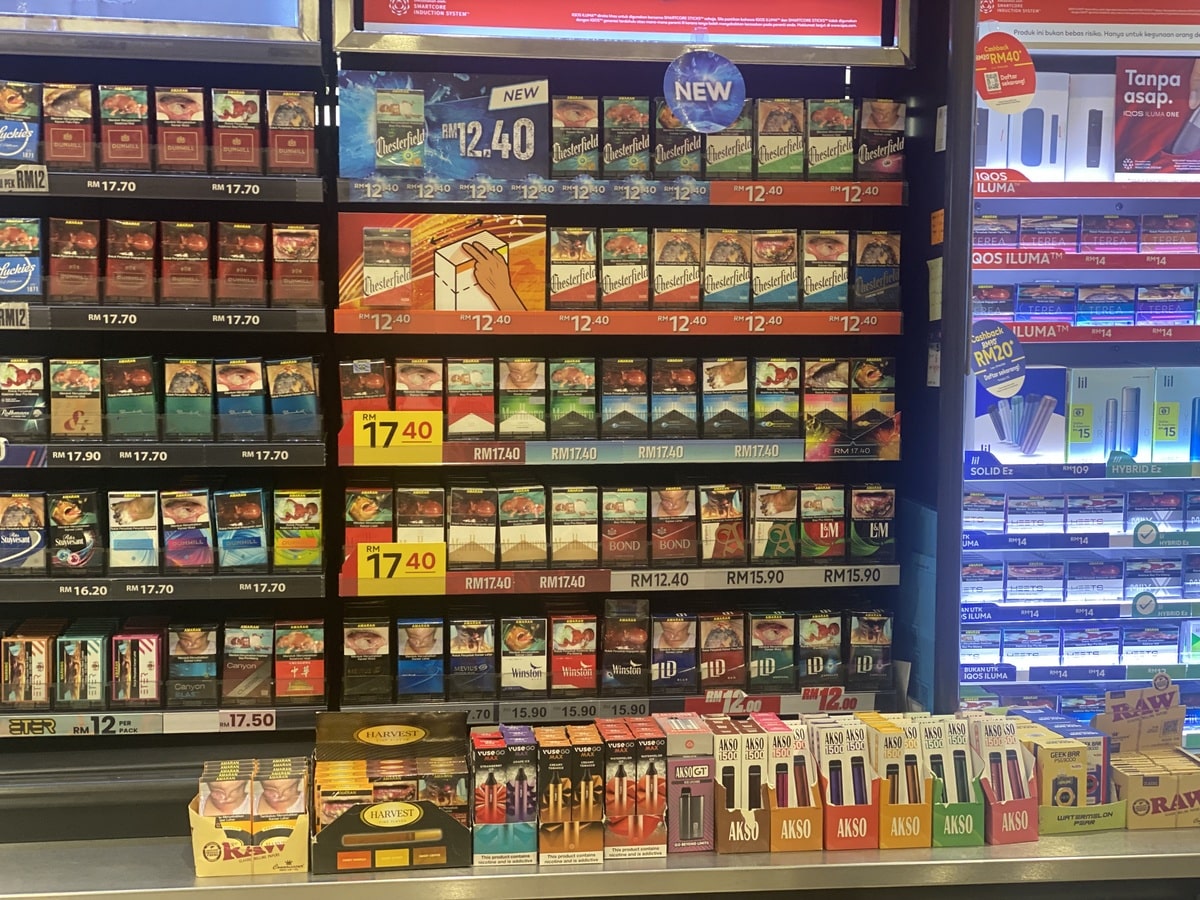
Vape aerosol also contains toxic substances that can harm users and expose others nearby. Attractive flavours, discreet designs, and online promotion compound the challenge of protecting children from products that can establish dependence during their formative years.
The danger also reaches children too young to choose these products. The National Poison Centre’s 2023 annual report documented 111 vape-related poisoning cases referred between 2015 and 2023.
Of these, 49 cases or 44.1 per cent, involved children aged five or younger. Although these referrals do not represent the full national burden, they show that vaping products can create poisoning hazards within households.
WAFIQ is particularly concerned about vapes marketed as “magic mushroom”. In June 2025, the National Poison Centre reported 76 poisoning referrals involving vapes suspected of containing prohibited substances between 2020 and 2024.
81 per cent involved products described as “Magic Mushroom Vape”, while 41 per cent involved teenagers aged 15 to 19. Reported symptoms included seizures, fainting, vomiting, hallucinations, delusions, and aggressive behaviour. Some severe reactions occurred after only one or two puffs.
The “mushroom” label must not mislead parents into assuming that these products contain a predictable natural ingredient. PDRM has publicised findings that tested samples contained dangerous synthetic drugs rather than the claimed psilocybin.
A familiar name or attractive flavour offers no assurance about the substance being inhaled.
More recently, Malaysian reports have highlighted drug-laced vape liquids known by street names such as “piu-piu” or “piao-piao”. Bernama reported police warnings about seizures, cardiac problems and respiratory complications, alongside footage of young men appearing dazed or unresponsive after vaping.
Separately, police investigations following intoxication videos led to six arrests in May 2026, with vape liquid suspected to contain ketamine reportedly seized. These incidents warrant serious attention, while their precise chemical contents require forensic confirmation.
Any claimed regulatory conflict between the Poisons Act and the Control of Smoking Products for Public Health Act must be resolved transparently, with child protection as the governing principle.
The public deserves a clear explanation of why exemption is considered necessary, what alternatives were assessed, and how the proposed approach would prevent further harm.
WAFIQ therefore calls on the government to retain nicotine used in vaping under the Poisons List, publish the scientific rationale and child-health assessment behind any proposed change, strengthen enforcement against sales to minors and illicit online distribution, expand laboratory testing and poisoning surveillance, and provide accessible cessation and treatment services for affected young people.
As women, mothers, health care professionals, and members of civil society, we cannot accept preventable addiction and poisoning as the price of commercial expansion. Protecting children is a shared national responsibility.
WAFIQ stands with MyWATCH in urging the government to uphold that responsibility through firm, transparent and evidence-informed action.
Prof Dr Rafidah Hanim Mokhtar is the president of the International Women’s Alliance for Family Institution and Quality Education (WAFIQ).
- This is the personal opinion of the writer or publication and does not necessarily represent the views of CodeBlue.


