

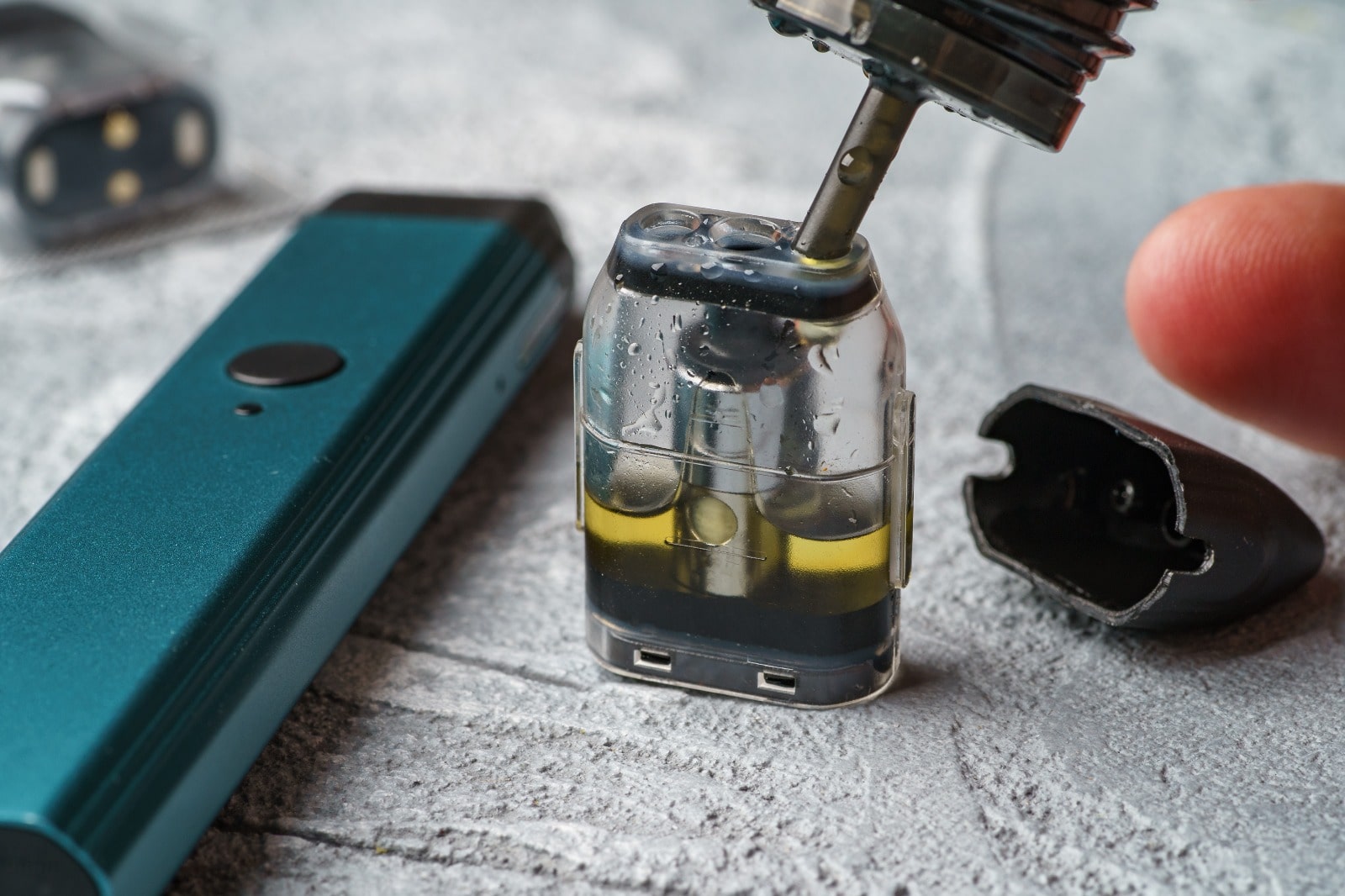
The Federation of Private Medical Practitioners’ Associations Malaysia (FPMPAM) and the Addiction Medicine Association of Malaysia (AMAM) call upon the Ministry of Health (MOH) to immediately enforce the Poisons Act 1952 against the unauthorised retail sale of nicotine-containing vape products and to abandon plans to re-exempt liquid nicotine from the Poisons List.
The health minister has confirmed in Parliament that nicotine-containing vape liquids and gels are once again subject to the Poisons Act 1952 following the High Court ruling that set aside the 2023 exemption order.
This confirmation raises two fundamental issues requiring immediate action.
First, enforcement of the existing law. Nicotine-containing vape liquids and gels are currently subject to poisons control. Their retail sale must therefore comply with the requirements of the Poisons Act.
MOH must act against unauthorised sales through convenience stores, specialty vape shops, online platforms, and other retail channels, including inspections, seizure of products and prosecution where legally warranted.
The government cannot acknowledge that a law applies while allowing widespread retail practices that appear inconsistent with its provisions to continue unchecked.
Enforcement of the law cannot be deferred while the government deliberates on future policy.
Second, the proposed re-exemption of liquid nicotine. FPMPAM and AMAM strongly oppose any fresh exemption of liquid nicotine used in recreational vaping products from the Poisons List.
The High Court has already set aside the previous exemption, and the government subsequently withdrew its appeal. The Poisons Board’s reported endorsement of a fresh exemption does not alter the existing legal position unless and until a new exemption order is lawfully gazetted.
We call upon the Poisons Board to urgently reconsider its reported endorsement before any new ministerial order is gazetted.
The High Court’s ruling went beyond procedural shortcomings in consultation and raised substantive concerns about the rationality and public health justification of the 2023 exemption. The Board and MOH must explain how these concerns have been addressed.
We note the health minister’s explanation that a fresh exemption may be necessary to facilitate legal coordination towards the government’s proposed nationwide vape ban.
This raises a fundamental question: why must an existing legal restriction on nicotine be removed in order to implement a future prohibition of vaping?
MOH must explain the legal necessity for such an exemption and demonstrate how it would advance, rather than undermine, the government’s stated intention to eliminate recreational vaping.
We urge the health minister not to proceed with a fresh exemption while the proposed nationwide vape ban remains without an approved implementation timetable.
We also call upon the government to announce a clear and credible timetable for its proposed phased nationwide vape ban.
Protecting public health, particularly children and adolescents from nicotine addiction, must take precedence over commercial interests.
Malaysia needs a coherent, consistent, and enforceable national policy on nicotine and vaping.
This press statement was jointly issued by FPMPAM president Dr Shanmuganathan TV Ganeson and AMAM president Dr Steven Chow.
- This is the personal opinion of the writer or publication and does not necessarily represent the views of CodeBlue.


