

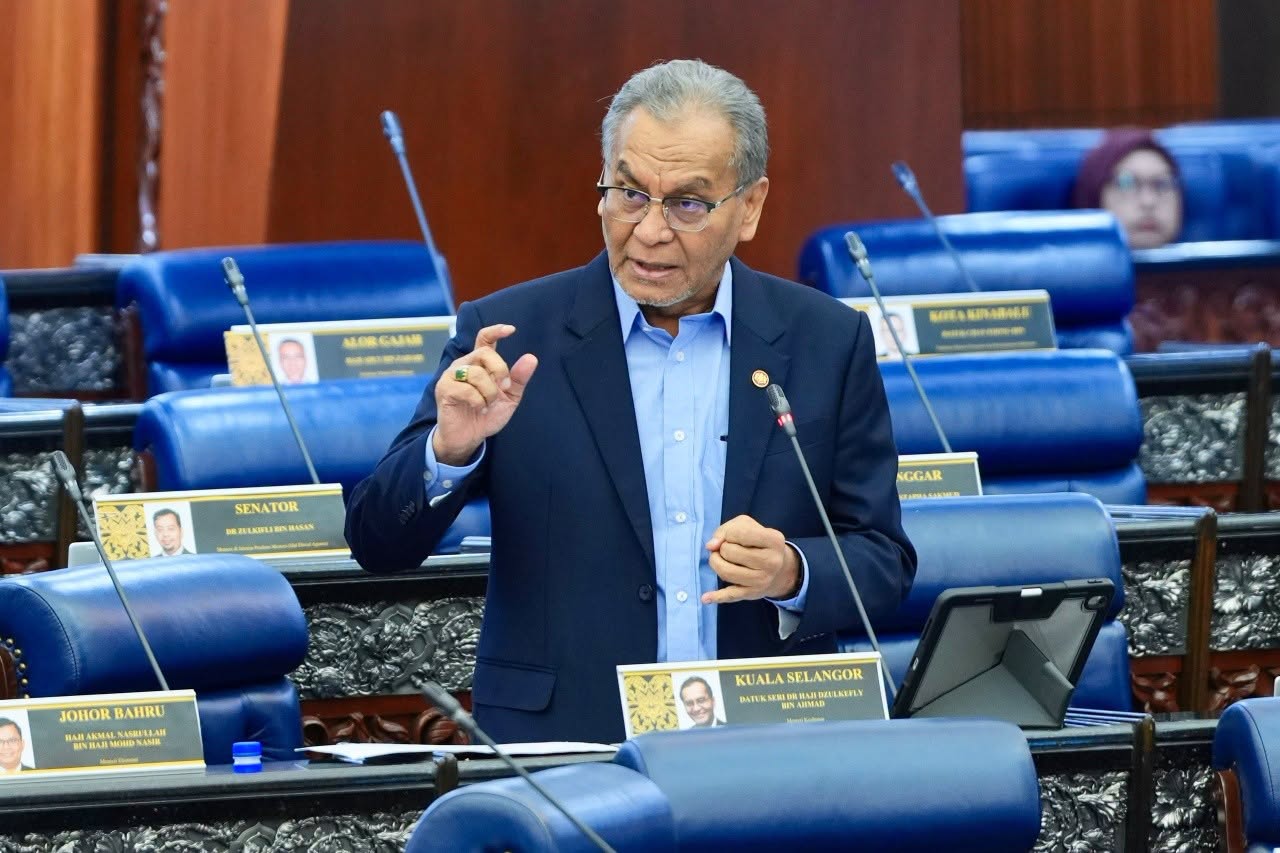
KUALA LUMPUR, Nov 16 — Health Minister Dzulkefly Ahmad has proposed the establishment of a National Health Fund (DKN), a “hybrid” health financing model with federal-state involvement.
Dzulkefly said the proposed DKN will retain the general taxation base for health financing, or the Beveridge model currently used in both Malaysia and the United Kingdom, and also include aspects of the Bismarck model, to create a separate health fund.
He noted that Germany uses the Bismarck model of social health insurance with statutory contributions from employers and employees.
“Establishing a DKN requires big structural changes, legislative changes, federal-state relations, and possibly touches on constitutional issues. So it needs to be done carefully,” Dzulkefly told Tanjong Karang MP Dr Zulkafperi Hanapi during Question Time in Dewan Rakyat today.
“At this time, the Ministry of Health (MOH) is working on studying aspects of financing, actuarial modelling, package of benefits, governance, and legislative basis of the DKN, based on the Malaysian context and international best practice.
“MOH is targeting the enactment of a National Health Fund Act by 2029.”
The 15th Parliament will automatically dissolve in December 2027. As civil servants do not table or pass bills, it’s up to the next government elected in the 16th general election to decide whether or not to take up the Madani government’s proposal and table a National Health Fund Bill.
It’s unclear what Dzulkefly meant by requiring state involvement in health care financing under a DKN, such as whether this means getting state governments to contribute monies to the fund.
Public health care provided by the MOH is currently wholly funded by the federal government based on allocations from the federal consolidated fund.
Although some state governments are involved in health care, these are for private health care services paid for by consumers or insurance companies. These include KPJ Healthcare Bhd that is primarily owned by Johor Corporation, the state-owned investment arm of the Johor state government, as well as Selgate Corporation, owned by the Selangor State Development Corporation (PKNS), that operates multiple hospitals.
It’s also unclear if Madani’s DKN proposal involves statutory contributions from employers and employees, since Dzulkefly mentioned a “package of benefits”.

