

The Malaysian Women’s Action for Tobacco Control and Health (MyWATCH) expresses its profound sadness, frustration, and extreme disappointment with Budget 2027.
After years of repeated appeals from public health professionals, civil society organisations and health advocates, we had hoped that Budget 2027 would finally signal a decisive shift towards protecting the health of Malaysians through meaningful fiscal policies, stronger tobacco control, effective non-communicable disease (NCD) prevention, and sustained investment in health promotion.
Instead, we are left wondering whether our repeated calls have simply fallen on deaf ears. Where is the government’s commitment to preventing disease rather than merely paying for its consequences?
While MyWATCH acknowledges the increased allocation to the Ministry of Health (MOH), permanent appointments for contract doctors and certain improvements in health care services, these measures largely address the existing burden of illness and health care delivery.
They do not adequately confront the underlying causes of the growing disease burden that threatens the health, productivity and financial security of our nation.
No Tobacco Tax Increase: An Inexcusable Failure Of Public Health Leadership
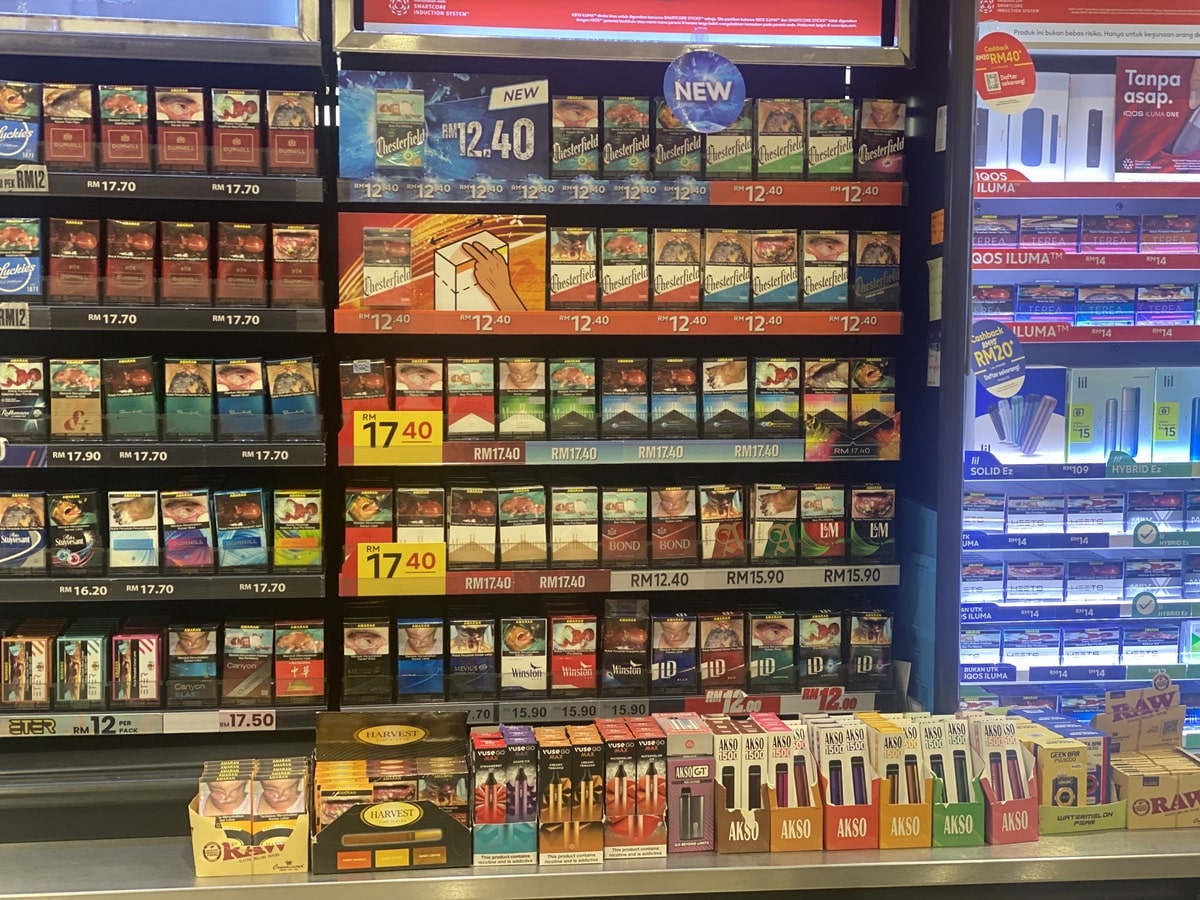
Perhaps the most glaring disappointment is the absence of any further increase in tobacco excise duties.
For years, MyWATCH and other public health organisations have consistently called for substantial tobacco tax increases, rather than token adjustments, as one of the most effective and evidence-based measures to reduce smoking, discourage initiation among young people, and generate much-needed government revenue.
Following the grossly inadequate two-sen-per-stick increase announced in Budget 2026, we had expected the government to demonstrate greater determination this year. Instead, there is silence.
At a time when the government is struggling with fiscal constraints and rising health care expenditure, why would it fail to utilise a proven fiscal measure that can simultaneously protect lives, reduce future health care costs, and increase public revenue?
This is not merely a missed revenue opportunity. It is a missed opportunity to save lives.
MyWATCH reiterates its call for substantial tobacco tax increases, with automatic annual adjustments that outpace inflation and income growth, and a clear pathway towards tobacco taxes accounting for at least 75 per cent of the retail price.
Where Is The Promised Protection Of Our Children From Vaping?
We are equally dismayed by the absence of a clear commitment to ban the commercial sale and distribution of recreational vaping products.
The increasing accessibility and promotion of flavoured nicotine products, particularly among young people, should be treated as a serious national public health concern.
Following the High Court ruling concerning the removal of liquid nicotine from the Poisons List and the government’s subsequent decision to withdraw its appeal, we had expected decisive policy action to protect the population from recreational nicotine addiction.
Yet Budget 2027 offers no clear direction towards this objective. How much longer must our children and adolescents remain exposed to products that can establish nicotine dependence and undermine their future health?
MyWATCH once again calls for a comprehensive national ban on recreational vaping products, stronger enforcement against illegal sales and marketing, and renewed consideration of the Generational End Game (GEG) through a legally robust framework.
NCD Prevention And Health Promotion Cannot Remain An Afterthought
MyWATCH fully supports the concerns raised by the Galen Centre for Health and Social Policy regarding the failure of Budget 2027 to adequately address NCD prevention and the structural reforms needed for a sustainable health care system.
Malaysia continues to confront the enormous burden of diabetes, hypertension, cardiovascular diseases, cancer, obesity, and other preventable chronic conditions. Yet we see no sufficiently ambitious, clearly financed national strategy to reverse these trends.
We are particularly concerned by the absence of stronger fiscal measures to promote healthier food choices, including reform of subsidies that support sugar production.
How can we justify policies that help maintain the affordability of unhealthy products while spending billions of ringgit managing diabetes, kidney failure, and cardiovascular diseases?
Fiscal policy must become an instrument of health promotion, not an obstacle to it. More importantly, where is the substantial and sustained investment in healthy lifestyles across schools, workplaces, communities, and households?
Where are the dedicated resources for promoting healthy nutrition, physical activity, tobacco free living, mental well-being, healthy ageing, and supportive environments that make healthy choices easier for everyone?
Health promotion cannot survive on occasional campaigns, slogans and short-term projects. It requires institutional leadership, dedicated financing, measurable outcomes and sustained implementation across government sectors.
MyWATCH therefore reiterates its call for the establishment of a sustainable national health promotion financing mechanism, including serious consideration of reinstating a dedicated health promotion institution such as MySihat 2.0.
An Ageing Malaysia Cannot Afford To Remain Unhealthy
Malaysia is ageing rapidly. Unless we invest seriously in prevention today, increasing numbers of Malaysians will enter older age burdened by multiple chronic diseases, disability, dependency, and escalating health care costs.
The consequences will extend far beyond hospitals and clinics. They will affect families, caregivers, employers, national productivity, and public finances.
Healthy ageing does not begin at 60 or 65. It begins in childhood and continues throughout life.
A truly forward-looking national budget must therefore invest in health at every stage of life, particularly among children, working adults, vulnerable communities, and older persons.
We cannot build a healthy ageing nation by waiting for Malaysians to become sick, and then allocating more money to treat them.
We Expected Better From A Government Committed To Reform
Malaysia has been a Party to the World Health Organization Framework Convention on Tobacco Control (WHO FCTC) since 2005.
This is not merely an international commitment on paper. It carries responsibilities to implement effective measures that reduce tobacco consumption and protect present and future generations.
We are disappointed that, despite repeated representations, evidence-based recommendations and public appeals, the government has once again failed to demonstrate the political will necessary to translate these commitments into meaningful fiscal action.
MyWATCH also shares the Galen Centre’s concerns about the absence of comprehensive health care workforce reforms and sustainable financing arrangements. A stronger health care system requires both sufficient capacity to treat illness and serious investment to prevent it.
We recognise that the government faces competing financial priorities. But precisely because resources are limited, greater emphasis must be placed on interventions that prevent avoidable disease, premature deaths, and future expenditure.
Prevention is not a luxury to be funded only when money is available. It is one of the wisest investments a financially constrained nation can make.
Our Appeal To The Prime Minister, Ministry Of Finance, And Ministry Of Health
MyWATCH calls upon the government and Members of Parliament to use the forthcoming Budget 2027 debates and subsequent policy processes to address these serious omissions.
We urge the government to introduce meaningful tobacco excise reform, announce a clear national policy to end recreational vaping, strengthen fiscal measures that support healthier food environments, and establish dedicated, sustainable funding for NCD prevention, health promotion, and healthy ageing.
We also call for greater transparency on how public funds will be invested in preventing disease, with clear targets and measurable health outcomes.
The responsibility for protecting the health of Malaysians cannot rest on the MOH alone. The Ministry of Finance and every other relevant ministry must recognise that their policies directly influence the health of the population.
MyWATCH has consistently advocated these measures, not for political advantage, but out of genuine concern for the well-being of Malaysians, especially our children and future generations. We are deeply saddened that these appeals have not been reflected in the priorities of Budget 2027.
A national budget reflects a government’s priorities. Unfortunately, Budget 2027 sends a deeply troubling message about the priority accorded to preventing disease and protecting future generations.
We expected better. Malaysians deserve better. We do not want a Malaysia that becomes increasingly efficient at treating preventable diseases while continuing to neglect their prevention.
A consideration for the legislators: if the budget table cannot be significantly amended, we must insist on extra-budgetary tax increases for tobacco and other disease promoting products.
We want a Malaysia where children can grow up free from nicotine addiction, adults can remain healthy and productive, and older persons can enjoy longer lives in good health, dignity, and independence.
The government must demonstrate that its commitment to the health of Malaysians goes beyond rhetoric, annual allocations, and political promises.
Health must be protected before it is lost. Prevention must be financed before the cost of inaction becomes unbearable.
This press statement was issued by MyWatch president Roslizawati Md Ali.
- This is the personal opinion of the writer or publication and does not necessarily represent the views of CodeBlue.


