

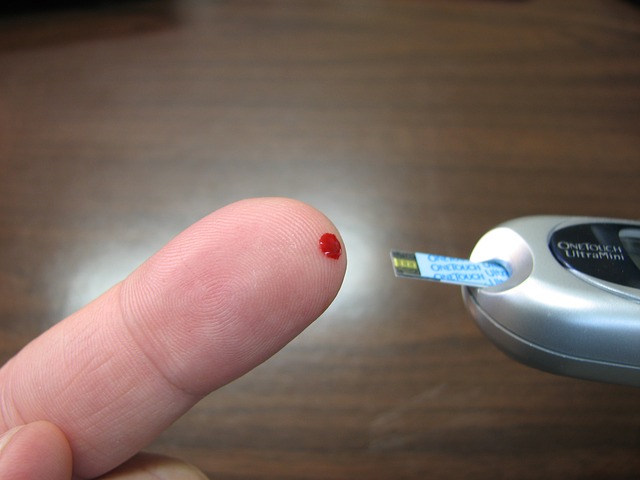
A patient attends a health screening and learns that their blood pressure or blood sugar is high. The doctor prescribes medication.
At a later appointment, the readings may still be poor; the prescription continues and, sometimes, the dose increases. Treatment is often necessary and life-saving.
But a difficult question remains: who is responsible for helping that patient improve their physical capacity and daily habits between appointments?
Too often, the answer is the patient himself. He may be told to exercise more, lose weight, or eat better without an assessment of what they can safely do, a programme suited to their condition, or someone to guide their progress.
Screening has identified the problem. The system has not fully funded the next step.
That failure has consequences well beyond a single patient. Non-communicable diseases (NCDs) generate years of clinic visits, medication and monitoring, as well as hospital admissions when complications develop.
Malaysia’s Health White Paper has identified high hospital admissions for diabetes complications compared with other countries. Public hospitals cannot simply treat their way out of demand that keeps growing upstream.
Budget 2027 has raised the Ministry of Health (MOH) allocation to RM47.7 billion, from RM46.5 billion. It also provides RM80 million for PeKa B40, which includes health screening for eligible recipients alongside other benefits.
These commitments matter. But the measure of a prevention policy is what happens after a risk has been identified.
How many people will receive a suitable fitness assessment, professional guidance, and follow-up? Who will provide these, and where will the budget come from?
The numbers leave little room for complacency. The National Health and Morbidity Survey 2023 has found diabetes in 15.6 per cent of adults, hypertension in 29.2 per cent, high cholesterol in 33.3 per cent, and overweight or obesity in 54.4 per cent.
An investment case published by the MOH and its partners estimated the annual economic burden of major NCDs at RM64.2 billion, using 2021 data.
This included RM12.4 billion in health care expenditure and disability payments and RM51.8 billion in lost productivity.
The first figure is not solely government hospital spending, but the overall message is plain: failing to prevent and better manage NCDs carries an enormous cost.
Screening Must Lead Somewhere
Malaysia should offer a combined health and fitness assessment that produces one useful report for each person. Blood pressure, blood sugar, and other clinical measures would sit alongside appropriate measures of aerobic capacity, strength, balance, and mobility.
Assessments must be adapted to age, disability, and medical risk. Its purpose is to establish what a person can safely improve, not to judge whether they are already fit.
This report should also lead to a suitable programme and a scheduled reassessment. A person with diabetes who struggles to walk for ten minutes needs a different starting point from someone who is already active. Both deserve a way to measure progress.
Government incentives could reward participation and improvement from each person’s baseline, including gains in fitness or disease control, rather than rewarding only those who can already meet a high step target.
A serious programme also needs a dedicated workforce. Doctors and nurses are essential for diagnosis, treatment and identifying clinical risks.
Exercise physiologists can design and adjust physical activity for people with metabolic conditions; physiotherapists can address rehabilitation and movement limitations; dietitians can provide nutrition care; and behavioural specialists can help people sustain change.
Qualified fitness trainers and practitioners trained in sports science or physical education can run suitable community and workplace programmes and support longer-term conditioning.
Public clinics and private medical professionals should be able to refer patients into this pathway, with clear standards for qualifications, supervision, and handovers.
These professionals cannot be treated as optional extras to a screening campaign. If government expects them to reduce NCD risk, it must fund their posts, their services, and the time needed for follow-ups.
A Tax Break Is Not A Prevention Strategy
Budget 2027 proposes tax relief for sports shoes, capped at RM300 within the existing RM1,000 sports-related relief. It also allocates RM460 million to national sports development and RM27 million to school sports.
These may encourage activity, but they do not answer the harder public health question: who will help a person with diabetes, hypertension, or limited mobility become safely and consistently active? That person may need a fitness assessment, a tailored programme and professional follow-up.
A tax deduction helps least when someone owes little or no income tax, and it cannot create those services. If the government calls this NCD prevention, it should fund the people and care pathway that make prevention possible, and not leave patients with a prescription to exercise and a discount on shoes.
Other countries offer lessons about sustained support. China’s Metabolic Management Centers use standardised care and digital records to follow people with diabetes and related metabolic conditions beyond a single visit. Its broader national fitness agenda gives physical activity a place in addressing chronic diseases.
Malaysia does not need to copy these arrangements wholesale. It should learn the essential point: an assessment becomes more valuable when it connects to a team, continuing support, and a record of progress.
Budget 2027’s proposed move towards a shared electronic medical record offers an opportunity to include useful fitness measures, with appropriate privacy safeguards.
Singapore’s National Steps Challenge offers evidence that a large-scale programme can change activity.
A study of 696,907 participants found an average increase of 1,579 daily steps during its main phase and 934 during its maintenance phase, compared with baseline monitoring.
A separate study modelled S$448 million in health care savings over ten years; these were projected savings, not an amount already realised. Malaysia should test its own approach and publish its results.
Make Prevention A Duty The Public Can Check
The real test of political will comes after screening. If the government is serious about reducing NCDs, it must pay for the people who help patients improve, commit funding year after year and publish the results.
A proposed Health and Fitness Bill could turn those obligations into a defined public service, with a phased timetable for combined assessments, professional follow-up and access across districts.
The Bill should place the MOH (or the Ministry of Youth and Sports) in charge of implementation and define how it works with other ministries and agencies.
It should set workforce and service standards, require a fully costed annual allocation, and publish how many people receive an assessment, begin a programme, and return for follow-ups.
Independent evaluations should examine health and fitness outcomes alongside spending. Where access or results fall short, the minister-in-charge should explain what will change and by when. Without these duties, prevention remains a promise that can be repeated every budget season without being delivered.
The funding commitment should be specific: an annual NCD prevention allocation equivalent to at least 100 per cent of the previous year’s sugar-sweetened beverage excise revenue.
The Bill should require the government to present that allocation through the normal parliamentary budget process and report how it is spent.
The money would support combined assessments, the dedicated health and fitness team, follow-up services, and incentives tied to improvement.
It would supplement, not replace, the wider health budget; tax receipts alone cannot finance a national service. The public should be able to trace every year’s revenue and allocation through to district services and results.
Malaysia collected RM73.81 million in this excise duty from January to November 2025. A sum of that size will not solve the NCD crisis, but protecting its purpose would be a concrete test of the government’s commitment.
This is how the government earns trust: by making a promise specific enough to be checked. It already knows the scale of Malaysia’s NCD burden. It has the ability to screen, diagnose, and treat. The unresolved choice is whether it will build and fund the team that helps people improve before complications bring them back to hospital.
Malaysia is ageing. More people will need care, but they will also need the strength to walk, the balance to avoid a fall, and the capacity to live independently.
When Malaysia grows old, the measure of its health policy will not be how many diseases it detects, but how many people it helps stay on their feet.
Muhammad Hafeez Basri is a PhD candidate in health sciences.
- This is the personal opinion of the writer or publication and does not necessarily represent the views of CodeBlue.

