

It began with a fever. By day three, the parents asked the question every Malaysian family fears: could it be dengue? In Malaysia, that question is never unreasonable.
Recent national figures paint a troubling picture: nearly 66,000 cases and 62 deaths recorded as of the 35th epidemiological week, a startling 66% increase in cases and 93.8 per cent increase in deaths compared to the previous year. Yet behind every statistic is someone’s child, parent, sibling, or friend.
By now, we all know the drill. Clear stagnant water. Inspect drains. Apply mosquito repellent. Cooperate with fogging teams.
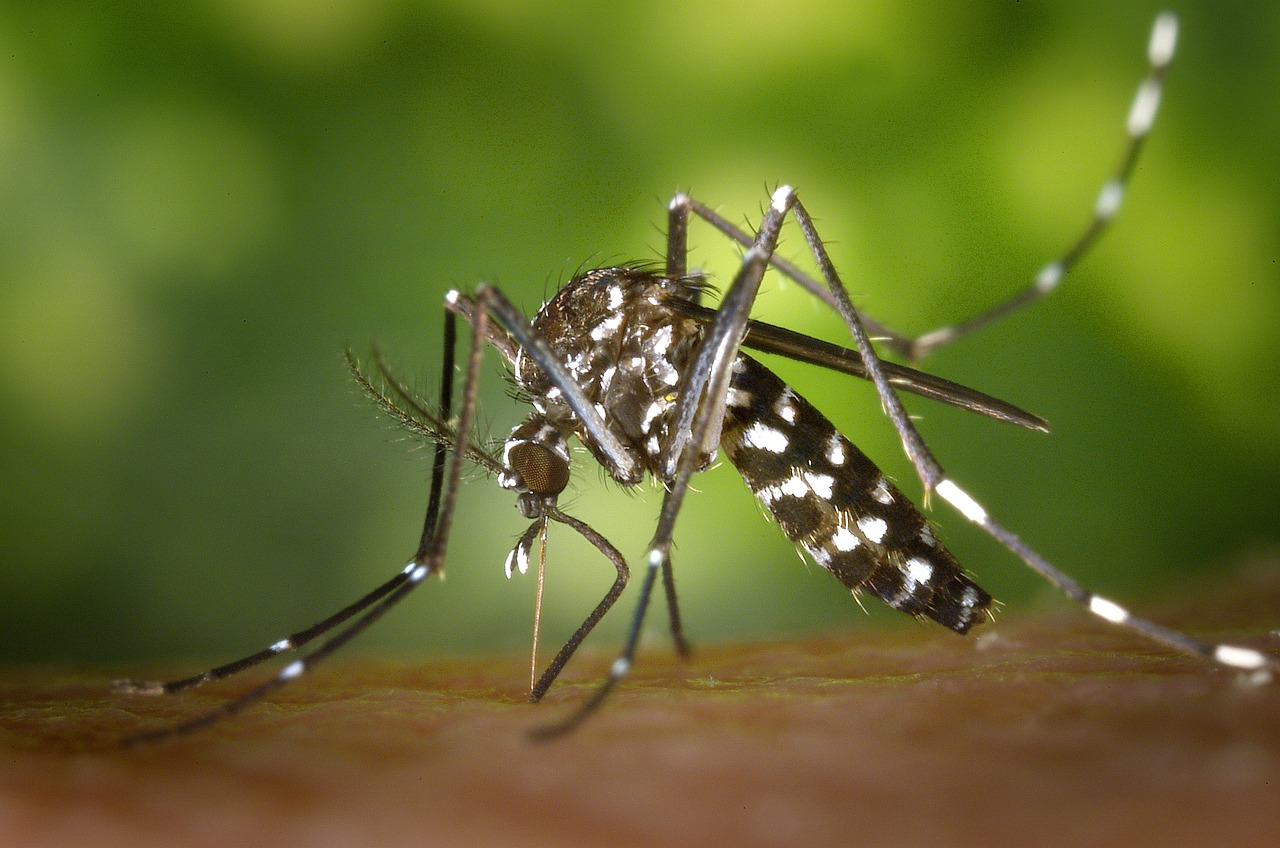
These traditional vector control measures remain vital, especially given that over 70 per cent of Aedes mosquito breeding sites are still found right inside our homes.
But when dengue cases continue to surge despite our best efforts, it becomes clear that prevention cannot rely on a single strategy alone.
Ask most Malaysians how to prevent dengue, and they will immediately mention cleaning and fogging. Ask them about a dengue vaccine, however, and many will draw a blank. That awareness gap matters.
In February 2024, Malaysia’s Drug Control Authority granted conditional approval to the latest dengue vaccine, TAK-003, for individuals aged four and above. Administered in two doses three months apart, this vaccine represents a major shift in how we can fight the disease.
Vaccination does not replace mosquito control; it strengthens it. Consider driving a child in a car: we do not choose between driving carefully and buckling a seatbelt—we do both.
Vector control reduces infected mosquitoes, personal protection reduces bites, and vaccination adds a crucial third layer of defense. The question is not which method to choose, but how seamlessly they work together.
Understandably, lingering memories of first-generation dengue vaccines raised valid public concerns. But science moves forward. Long-term follow-up data for TAK-003 demonstrates robust, durable protection, significantly decreasing hospitalisations and severe complications.
Over a 4.5-year follow-up period, the vaccine demonstrated an 84.1 per cent efficacy against dengue-related hospitalisations. Crucially, it does not carry the safety risks associated with earlier vaccines for individuals who have never previously contracted dengue (seronegative individuals).
With approval in over 41 countries and more than 21 million doses distributed worldwide, the global safety profile of TAK-003 is reassuring. While it is not suitable for pregnant or breastfeeding women, or individuals who are immunocompromised, suitability can easily be assessed through a quick conversation with a health care professional.
However, a practical hurdle remains: cost. At roughly RM400 to RM450 for the full two-dose regimen, the vaccine remains out of reach for many.
Some families want the protection but cannot afford it; others simply have no idea it exists. This is not vaccine hesitancy—it is an awareness and accessibility gap.
Health care professionals have a vital duty to close this gap. Patients and parents deserve to know that this tool exists, who it benefits, its limitations, and its cost.
50Protection works best in layers:
- Fight the Mosquito: Clear breeding sites and use protection.
- Recognise Warning Signs: Seek early medical care when a fever develops.
- Explore Vaccination: Consult a doctor on whether the vaccine is right for your family.
None of these strategies compete with one another; they complement each other.
The next chapter in Malaysia’s fight against dengue is not about abandoning what we already do — it is about adding to our arsenal. Fewer parents should have to sit beside a hospital bed, watching a simple fever turn into a life-threatening crisis.
We already know how to hunt the mosquito. It is time more Malaysians knew there is another shield available to keep our loved ones safe.
Dr Naveen Nair Gangadaran and Dr Musa Mohd Nordin are committee members of the Malaysian Paediatric Association.
- This is the personal opinion of the writer or publication and does not necessarily represent the views of CodeBlue.


