

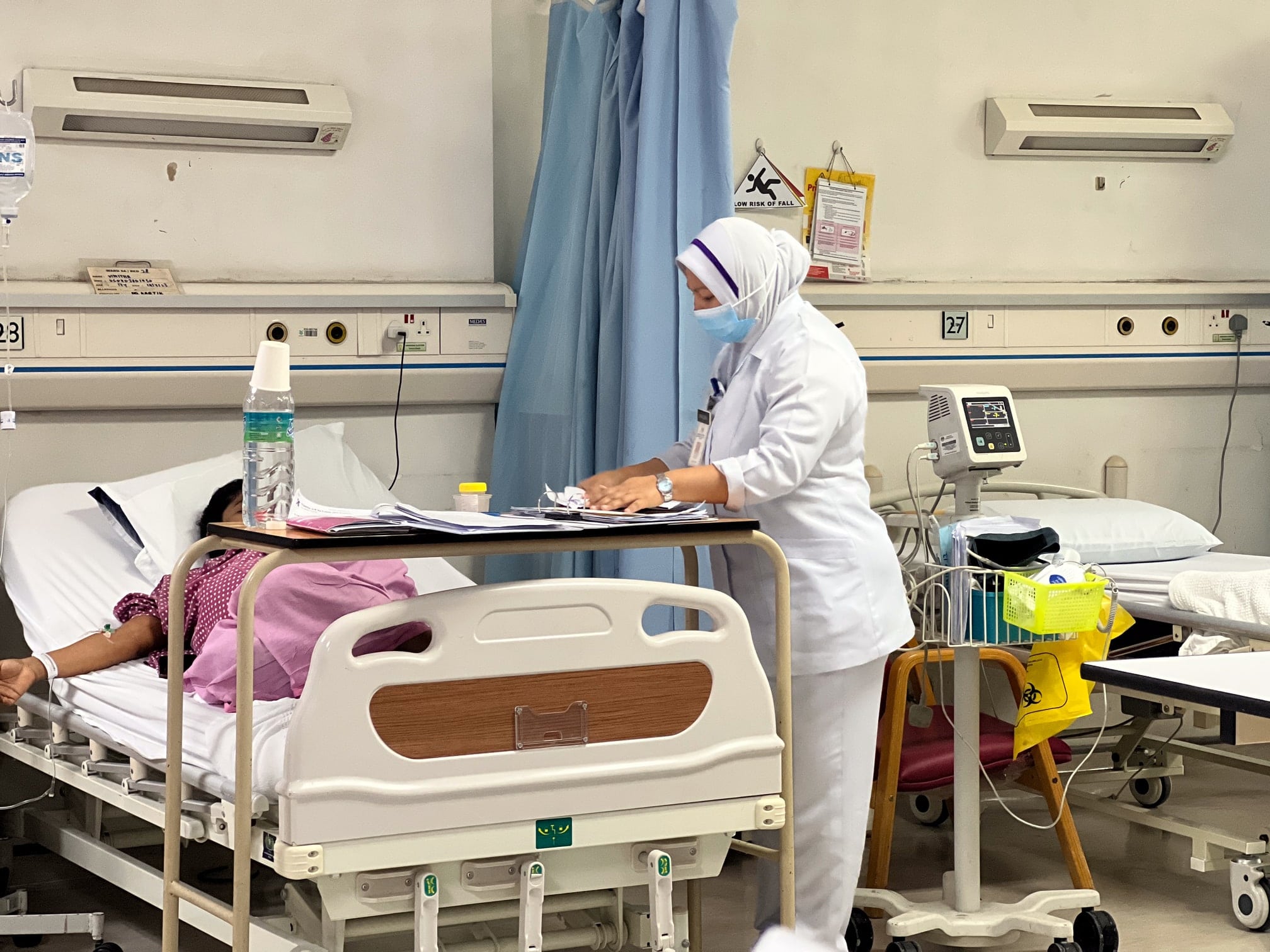
Malaysia’s health care system is at a critical juncture. Driven by a rapidly ageing population, an escalating burden of non-communicable diseases (NCDs), and growing demands for high-quality, specialised care, the complexity of our clinical landscape has never been higher.
In response, our nursing profession must undergo a radical transformation. We must move beyond traditional diploma-based preparation and urgently pave the way for specialized, postgraduate clinical competency and the formal establishment of Advanced Practice Nursing (APN).
For decades, post-basic certification programmes — covering crucial areas like intensive care, perioperative nursing, and cardiovascular care — have been the cornerstone of nursing specialisation in Malaysia.
These programmes have served us well, equipping registered nurses with the technical proficiency needed in highly specialised wards. However, contemporary health care demands more than just technical skill.
To navigate today’s complex clinical realities, nurses must possess advanced critical thinking, clinical reasoning, leadership, research capabilities, and the authority to make evidence-based clinical decisions.
Postgraduate nursing education (Master’s and Doctoral levels) offers the definitive pathway for developing these competencies. Advanced Practice Nurses are uniquely positioned to manage complex patient profiles, lead quality improvement initiatives, and drive health care innovation at the ground level.
But we are failing to fully leverage this potential due to deeply entrenched systemic barriers.
The Barriers To Academic Advancement
Currently, Malaysian nurses face steep hurdles when attempting to upskill. The most glaring challenges include:
- Crushing clinical workloads: Severe understaffing leaves nurses burnt out, making it nearly impossible to balance demanding shift work with rigorous postgraduate studies.
- Financial constraints: A lack of accessible funding forces many to self-fund their education.
- Zero formal recognition: The absence of structured career pathways, protected learning time, and crucially formal regulatory recognition of APN roles strips away the motivation for academic advancement.
Why should a nurse sacrifice time, money, and mental health for a postgraduate degree if the health care system fails to formally recognise their advanced scope of practice upon graduation?
Equally important is the lack of clear credentialing frameworks. Without defined scopes of practice for Advanced Practice Nurses, the benefits of postgraduate education remain locked in the classroom rather than translating into clinical practice and improved patient outcomes.
A Blueprint For Modernising Nursing Education
Moving forward, our postgraduate nursing education must abandon purely academic exercises and embrace competency-based approaches focusing on measurable clinical outcomes.
Adopting frameworks like Competency-Based Medical Education (CBME) and Entrustable Professional Activities (EPAs) will ensure graduates demonstrate practice-ready competencies rather than merely fulfilling credit hours.
To successfully bridge the gap between post-basic certification and true postgraduate competency, stakeholders must prioritise four strategic actions:
- Fund the frontlines: Provide comprehensive financial assistance, targeted scholarships, and mandatory study leave opportunities for nurses pursuing postgraduate education.
- Define the career pathway: Establish formal regulatory recognition, distinct credentialing, and clear career progression ladders for Advanced Practice Nurses within both the public and private sectors.
- Modernise the curriculum: Implement competency-based postgraduate curricula that heavily integrate advanced clinical decision-making, health care leadership, and interprofessional collaboration.
- Unify wards and universities: Strengthen the collaboration between health care facilities and academic institutions to create seamless, supportive environments for lifelong clinical learning.
Malaysia already possesses a strong foundation in nursing education and clinical training. However, achieving widespread postgraduate clinical competency is not a task for universities alone. It requires coordinated, aggressive efforts from health care organizations, professional bodies, and policymakers.
Investing in advanced nursing education is no longer just a professional development initiative it is a mandatory, strategic investment in patient safety, care quality, and the long-term sustainability of Malaysia’s health care system.
Sakinah Awang @ Harun is a senior lecturer at the Medical Education Research and Development Unit (Merdu) at the Faculty of Medicine, Universiti Malaya, and Noor Hasliza Che Seman is a programme coordinator at the Faculty of Nursing, Universiti Malaya.
- This is the personal opinion of the writer or publication and does not necessarily represent the views of CodeBlue.


