

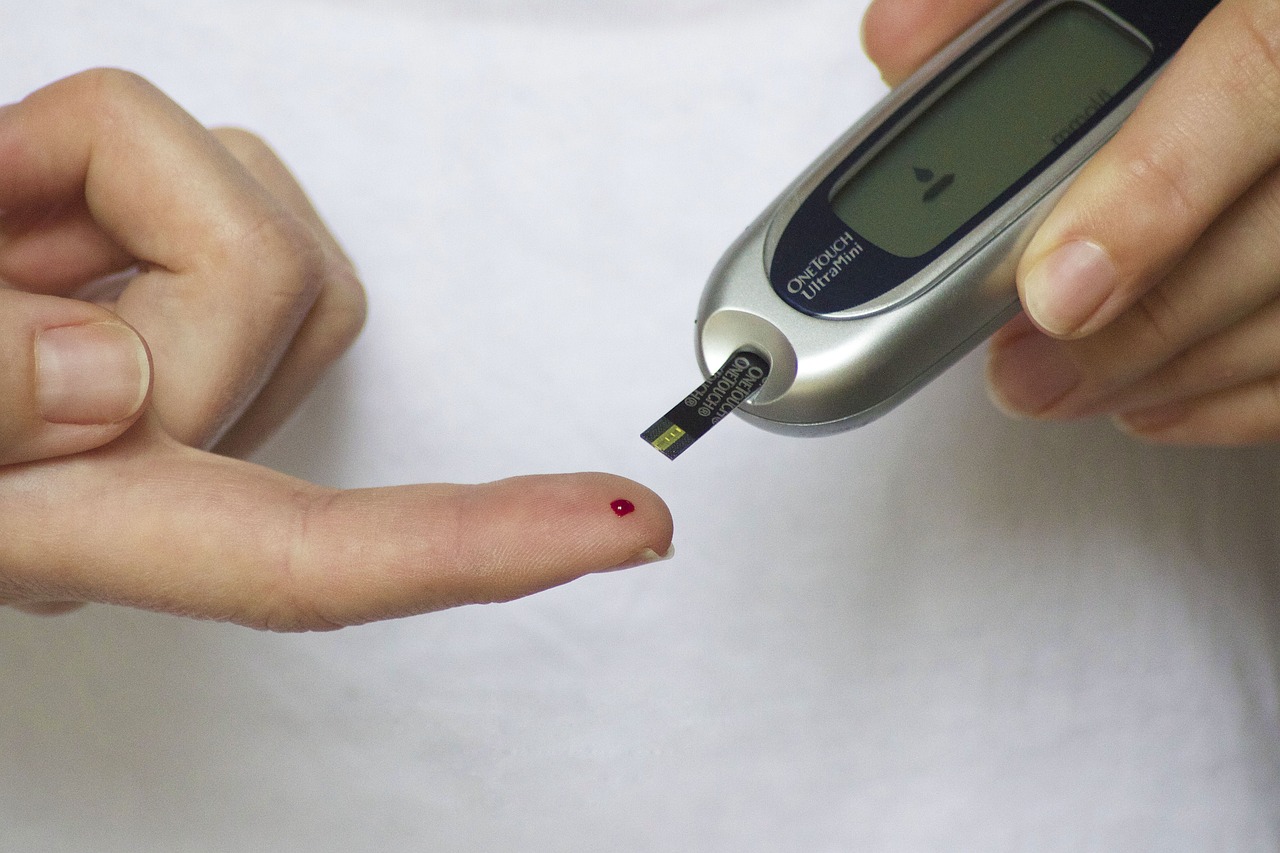
The recent announcement by Health Minister Dzulkefly Ahmad that Type 2 diabetes is now being diagnosed in Malaysian children as young as 14 years old should be viewed as more than a worrying statistic—it is a warning that our health care system is increasingly treating diseases that should have been prevented.
Once regarded as a condition affecting middle-aged adults, Type 2 diabetes is now emerging during adolescence. This trend reflects profound changes in our food environment, physical activity, and lifestyle. More importantly, it signals that prevention efforts have not kept pace with the rapid rise in childhood obesity and metabolic disease.
Recent evidence shows that youth-onset Type 2 diabetes is not simply adult diabetes occurring earlier. It is a more aggressive disease that progresses rapidly, leading to earlier complications such as kidney disease, cardiovascular disease, vision loss, and nerve damage.
A teenager diagnosed at 14 may face decades of chronic illness during the most productive years of life, affecting education, employment, quality of life, and health care costs.
Malaysia is not alone. Across the Asia-Pacific region, increasing childhood obesity, unhealthy dietary habits, reduced physical activity, excessive screen time, and genetic susceptibility have contributed to rising rates of Type 2 diabetes among young people. The challenge is particularly significant in Asian populations, where diabetes often develops at younger ages and lower body mass indices than in Western populations.
The solution lies not only in better treatment but in earlier prevention. Schools should become centres of health promotion by providing healthier food options, integrating nutrition education into daily learning, encouraging regular physical activity, and conducting routine health screening for children at risk.
Parents must also recognise that healthy habits begin at home through balanced meals, reduced sugary drink consumption, active lifestyles, and limiting recreational screen time.
Nurses have a pivotal role in this national effort. As trusted health care professionals working in hospitals, primary care clinics, schools, and communities, nurses are uniquely positioned to identify at-risk children, educate families, support behavioural change, and lead community-based health promotion programmes.
Diabetes prevention should not start only when blood sugar levels become abnormal—it should begin long before the first symptoms appear. Malaysia has taken important steps to address non-communicable diseases, including sugar taxation and public health campaigns.
However, the diagnosis of Type 2 diabetes in adolescents indicates that stronger, coordinated action involving the Ministries of Health and Education, health care professionals, educators, parents, and communities is urgently needed.
When a 14-year-old develops Type 2 diabetes, the disease did not begin at 14. It began years earlier through unhealthy environments and missed opportunities for prevention. The real measure of success is not how well we treat diabetes, but how effectively we prevent the next generation from developing it.
The author is a nursing lecturer at the School of Nursing, Faculty of Medical and Life Sciences, Sunway University.
- This is the personal opinion of the writer or publication and does not necessarily represent the views of CodeBlue.


