

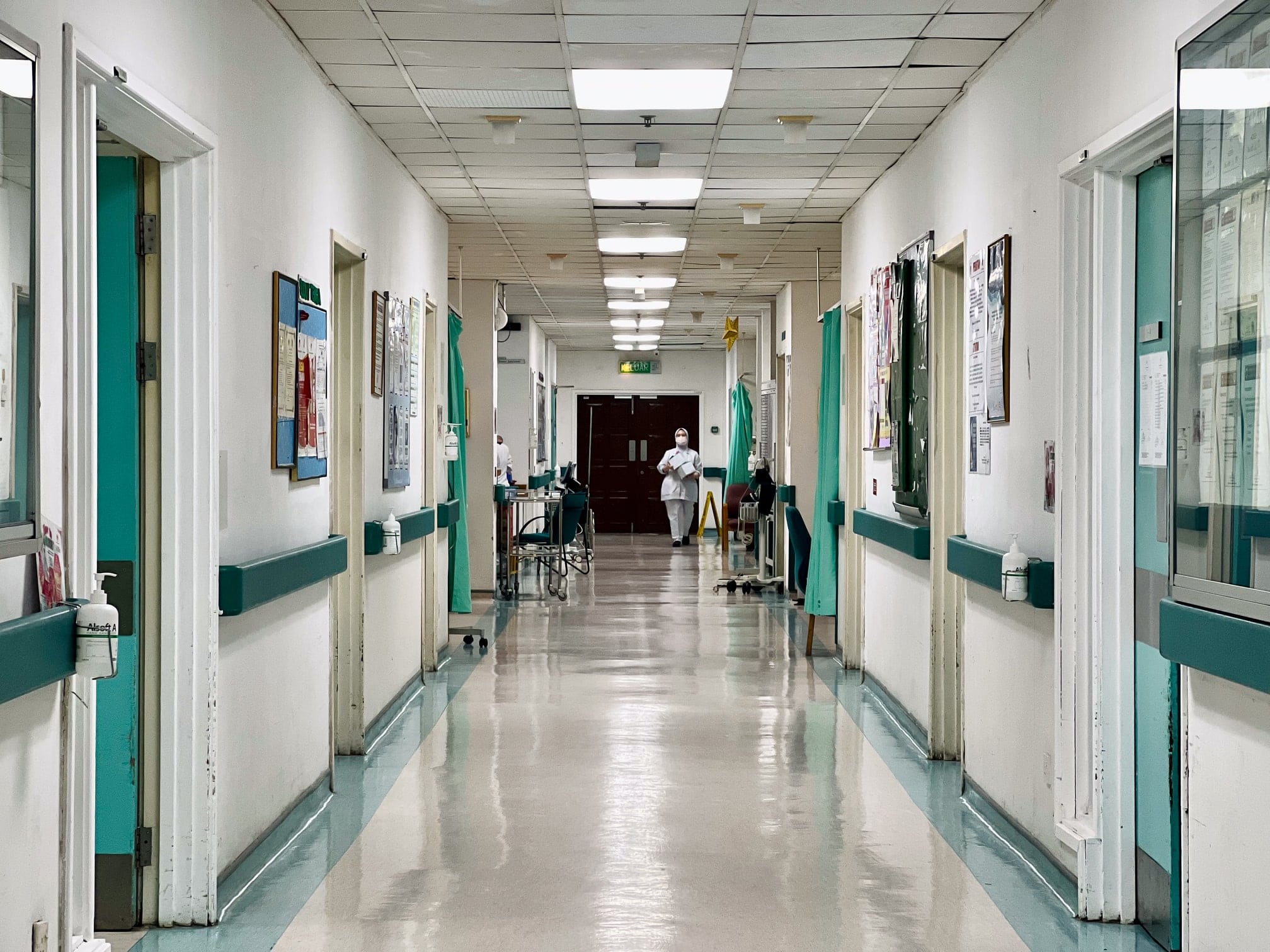
KUALA LUMPUR, July 20 — The Ministry of Health’s (MOH) nursing workforce shrank by 1.7 per cent from 2023, losing 1,200 nurses in two years by the end of 2024.
According to MOH’s Health Facts, the ministry recorded 71,434 nurses in 2022, before reducing to 70,240 in 2023 and further falling to 70,234 in 2024.
The 2023 decline was the first since 2018 when the MOH lost 556 nurses then, less than half the number of 1,194 nurses lost in 2023.
MOH’s workforce of 70,234 nurses in 2024 was lower than 2021, which recorded 70,797 nurses.
Meanwhile, the nursing workforce in the private sector in Malaysia expanded by 15 per cent (5,658 nurses) from 37,719 in 2022 to 43,377 in 2024.
Over the past decade, the private nursing workforce saw a 63 per cent increase (16,724 nurses) from 26,653 in 2013 to 43,377 in 2024, while MOH’s nursing workforce expanded at a much smaller rate by 24 per cent (13,731 nurses) from 56,503 to 70,234 in that period.

Besides a contraction in MOH’s nursing workforce, the ministry’s doctor workforce contracted in 2024 for the first time in more than a decade, with a loss of more than 1,400 doctors.
Despite anecdotal evidence suggesting the migration of nurses to Singapore and the Middle East, data from MOH’s Health Facts shows that Malaysia’s nursing workforce across the public and private sectors expanded annually from 2013 to 2024.
This means that new nurses’ registrations continue to exceed those who leave the country.
Nurses’ attrition from Malaysia’s health service since 2023 was likely driven by an exodus to the private sector.
According to business consulting firm Frost and Sullivan, Malaysia has one of Asean’s strongest private health care systems with about 290 private hospitals and nearly 19,000 private hospital beds.
Private hospitals are legally prohibited from opening beds without sufficient nurse-to-patient ratios.
Hence, private hospitals are aggressively poaching nurses from not just the public sector, but from each other, in “corridor wars”.
Nurses in the public sector have complained about the restructuring of their critical service incentive payment (BIPK) allowance to a fixed rate since December 1, 2024 for new appointments, from the previous progressive structure at a percentage of basic salary.
Senator Dr RA Lingeshwaran also pointed out in April that nurses’ post-basic allowance at RM100 a month hasn’t been revised since the 1980s.
MOH’s nursing workforce contracted even as the ministry was short of nearly 15,000 nurses in September 2025, with a vacancy rate of about 18 per cent.


