

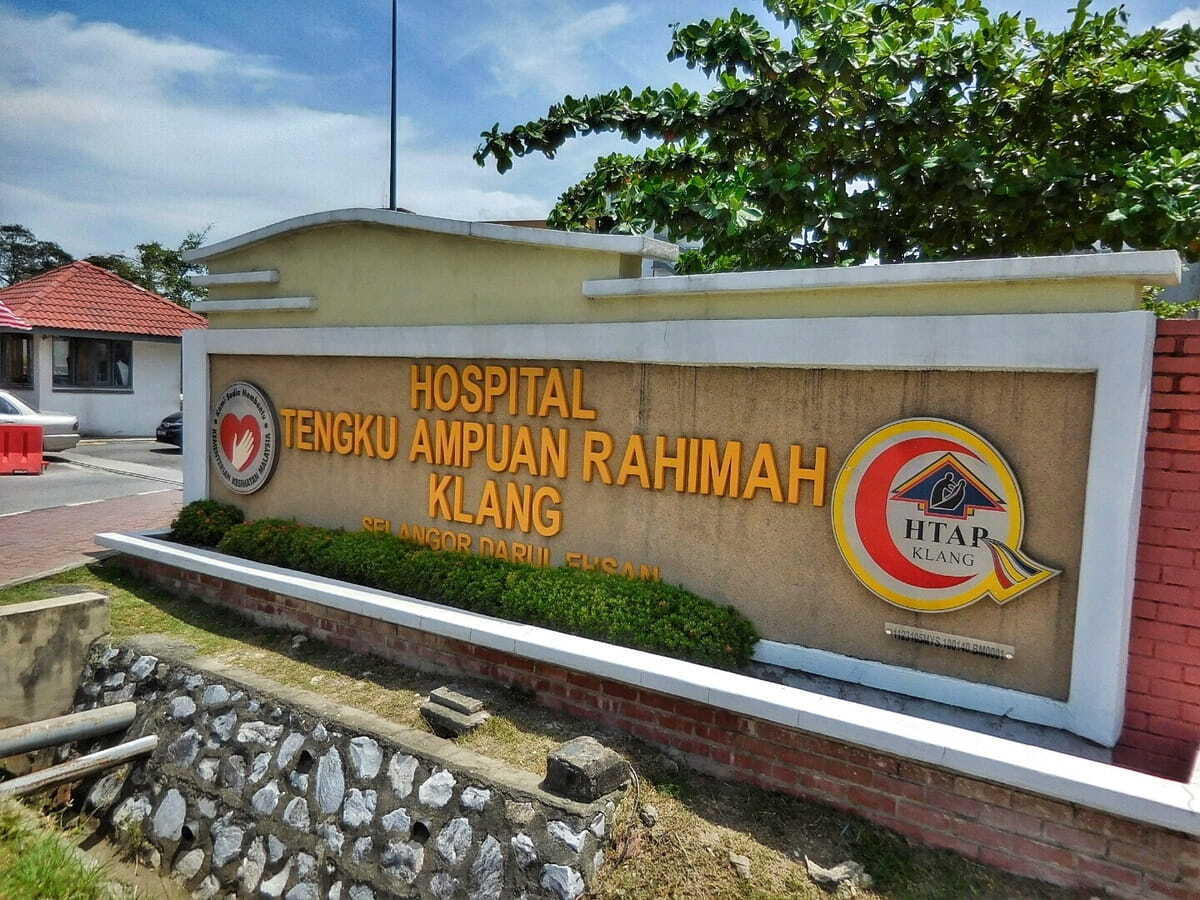
KUALA LUMPUR, July 9 — The Selangor state health department (JKNS) clarified today that Tengku Ampuan Rahimah Hospital (HTAR) Klang’s general surgery department has 32 medical officers.
However, JKNS acknowledged that the number of doctors was always in flux, in line with staff placements and transfers from time to time.
“This situation has had a temporary impact on duty roster planning, resulting in an increased frequency of on-call duties. The Head of Department was compelled to reorganise the duty roster to ensure that services could continue operating without disruption,” said JKNS in a statement.
“To address this issue, several newly reported permanent and contract medical officers have been reassigned to critical departments, including the general surgery department. The mobilisation of medical officers between departments will also be carried out to help accommodate heavier workloads in departments that require additional support.”
According to JKNS, HTAR is also expected to receive newly appointed permanent medical officers in August, who will be deployed to departments where they are needed.
“HTAR remains committed to continuously monitoring workloads across all departments and is prepared to reorganise its workforce according to current needs.”
JKNS was responding to a letter to CodeBlue by surgical medical officers at HTAR, who claimed that the general surgery department was operating with only 20 medical officers serving 300 to 400 patients a day (inpatients, outpatients, and emergency department), while sustaining emergency surgical services for one of the busiest hospitals in the Klang Valley.
These 20 doctors comprised 15 general surgery, four neurosurgery, and one paediatric surgery service medical officers.
The doctors described the Selangor state hospital’s surgery department as being on the “verge of collapse”, maintaining that HTAR’s surgical services were now operating “beyond safe human and operational limits”.
They also cited a recent incident of a serious upper gastrointestinal bleeding case that occurred in a ward and subsequently deteriorated into cardiac arrest due to a lack of coverage.


