

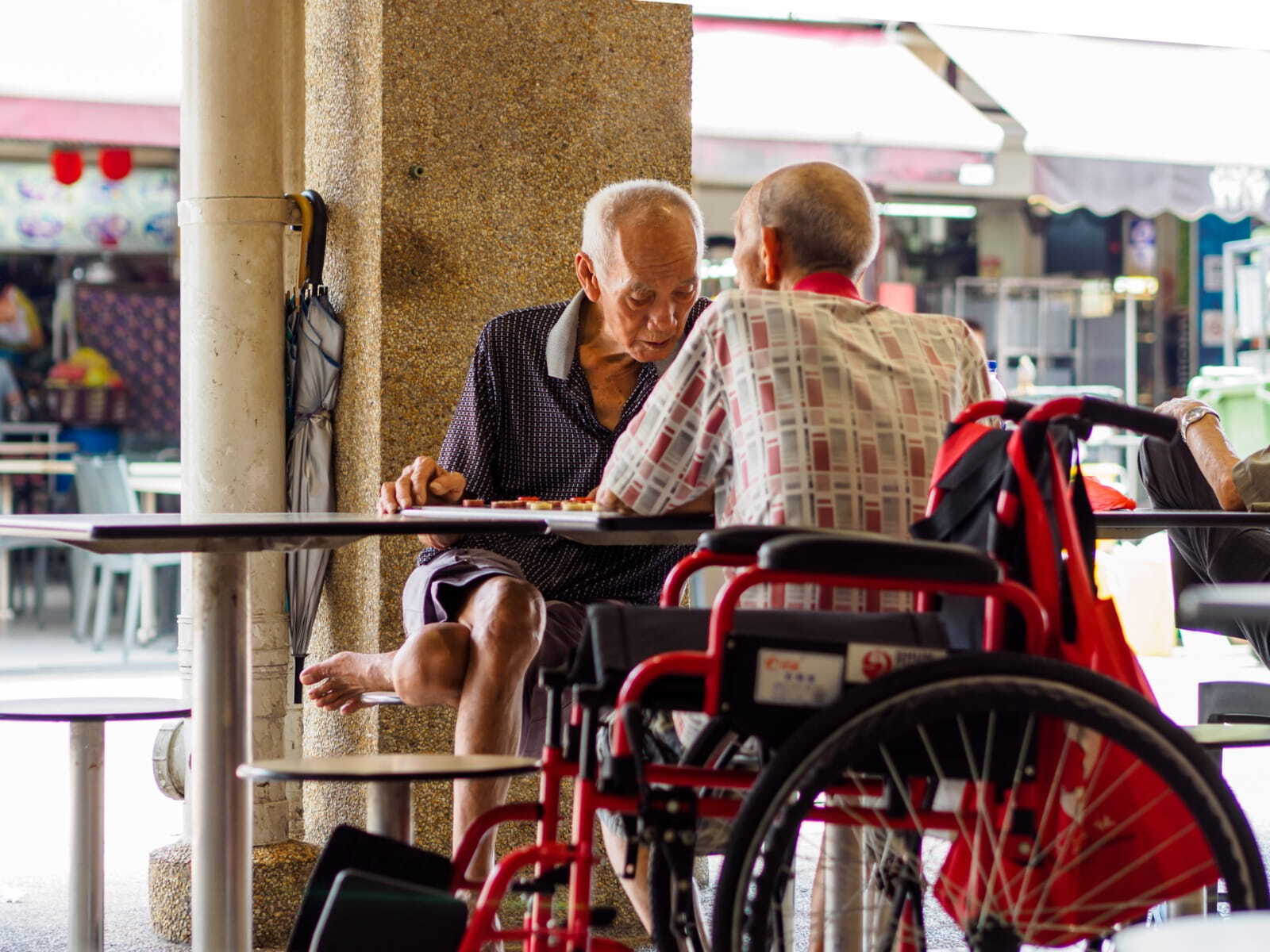

For too long, Malaysia has viewed ageing predominantly as a problem to manage rather than a stage of life to optimise. Public conversations often revolve around nursing homes, hospital admissions, pensions, long-term care, and caregiving burdens.
Yet an increasingly important demographic remains under-recognised: older Malaysians who remain independent, active, mentally resilient, and eager to continue living purposeful, fulfilling lives within their communities.
Broad categorisation of active seniors today include:
- Active in sports and fitness activities.
- Enjoy hobbies like travel, dancing, and singing.
- Enjoy eating and socialising.
- Enjoy learning new things.
As Malaysia enters the era of population ageing, we must move beyond the narrow interpretation of “ageing in place”.
Successful ageing is not simply about remaining in the same home — it is about ensuring that older persons can continue to live actively, safely, independently, and with dignity, whether in their original neighbourhood or in purpose-built communities designed to support later life.
When The Family Home Becomes Too Large
There comes a stage of life when the family home no longer matches daily needs. Children leave, rooms become empty, stairs become difficult, maintenance becomes tiring.
Yet many remain—not because the home continues to support their needs, but because moving can feel like leaving behind identity, memories, and a lifetime of meaning. Policy should acknowledge this emotional reality while expanding attractive alternatives.
We need to normalise a different narrative. Downsizing is not giving up. It can be a positive transition into a more manageable, safer, and socially connected environment.
Malaysia should encourage diverse housing options for independent older persons such as age-friendly residential neighbourhoods, independent senior living communities, intergenerational housing developments, cooperative living arrangements, community hubs coordinated by non-governmental organisations (NGOs) and civil society organisations, faith-based senior communities, and membership-based activity centres for those remaining in their own homes.
These should not resemble institutions; rather, they should feel like vibrant communities.
Relationships Are Health Infrastructure
One of the greatest threats to healthy ageing is not disease. It is social isolation. Many older persons experience shrinking social circles after retirement, widowhood, migration of children, or reduced mobility.
Isolation increases risks of depression, cognitive decline, frailty, and avoidable health care utilisation. Loneliness should be recognised as a public health issue, not merely a social inconvenience.
Evidence increasingly links social isolation with poorer mental health, increased frailty, avoidable hospitalisation, and reduced quality of life.
Communities for older persons must therefore be intentionally designed around connection. Practical initiatives include:
- Shared dining and community kitchens, walking clubs and exercise groups.
- Gardening and urban farming, hobby circles and cultural activities.
- Intergenerational programmes with schools and universities, religious and spiritual gatherings.
- Volunteer and mentoring opportunities, digital literacy and social connection classes.
- Community celebrations and peer-support networks.
Importantly, older persons should not merely attend activities. They should lead them.
Retired teachers can mentor children. Former professionals can coach younger entrepreneurs. Experienced community leaders can facilitate neighbourhood programmes. Older persons remain contributors, not recipients.
Mobility Is Independence
Perhaps no issue determines participation more than mobility. Older persons who can move remain socially engaged.
Those who cannot often become isolated. Driving should therefore be viewed through the lens of capability, not age. Older persons who remain medically fit should continue driving.
Malaysia could adopt practical policies such as; periodic medical and vision assessments, medication and cognitive reviews where appropriate, refresher driving programmes, voluntary elder-friendly mobility identification systems, priority parking and safer drop-off zones.
The objective should not be restriction. It should be preserving independence safely. At the same time, mobility must extend beyond drivers.
For older persons using wheelchairs, walking aids, or scooters, participation requires accessible environments.
Malaysia should accelerate wheelchair-friendly buses and rail access, lift-equipped transport vehicles, low-floor public transport, community shuttle services, e-hailing services specifically equipped for wheelchair users, drivers trained to assist mobility needs, transport vehicles with platforms that allow safe travel while seated in wheelchairs, and wide walkways, resting benches, covered pathways, as well as universal design principles.
Mobility should never depend entirely on family availability.
Make Daily Services Elder-Friendly
An ageing nation must redesign ordinary services. Long queues, confusing digital systems, and inaccessible layouts can become daily barriers. Age-friendly standards should gradually be introduced across public and private sectors.
Examples include priority counters, dedicated elder assistance personnel, faster service lanes, support staff for self-check-in and self-check-out systems, larger digital interfaces, seating near service areas, priority assistance at petrol stations, and mobile customer support staff.
These adjustments benefit not only for older persons—but everyone. Importantly, support should remain enabling rather than patronising.
Currently, the Department of Social Welfare Malaysia (JKM) offers Home Help Services free of charge to seniors provided by volunteers that include:
- Transportation services to hospitals or health clinics for medical appointments and collecting medication.
- Running errands such as paying bills, grocery shopping.
- Housekeeping assistance such as house cleaning and laundry.
- Qualified physiotherapy services.
- Physical wellness initiatives such as light exercise or recreational activities.
- Personal care services such as bathing, cutting nails, and combing hair.
Retirement Is Not Retirement From Growth
Retirement should not mean waiting. Many older persons finally gain time to pursue interests postponed for decades.
Communities should actively promote lifelong learning. Offerings may include:
- New languages, digital and AI literacy, photography and arts.
- Entrepreneurship and financial literacy.
- Health coaching, music and performance.
- Religious and spiritual enrichment.
- Public speaking, or community leadership.
Learning not only keeps minds active, but also opens doors.
Productive Ageing Requires New Employment Models
Many older persons wish to remain economically and socially productive, not solely for financial reasons, but because work can provide identity, purpose, structure, and continued social participation.
Malaysia should create pathways for age-friendly employment. This could include flexible schedules, remote and hybrid work, consultancy and mentoring roles, part-time opportunities, knowledge-transfer programmes, and community service positions.
A practical policy option would be establishing a National Senior Employment Matching Platform. This platform could connect employers and older persons based on experience and skills, flexibility preferences, accessibility needs, health considerations, location and transport support.
Communities of like-minded older adults can further encourage participation. When one person learns a language at 70, starts a business at 72, or returns to meaningful work at 75, others begin to imagine possibilities for themselves.
Older Persons Should Continue Exploring The World
Healthy ageing is not only about managing disease. It is also about continuing to experience life. Organised travel programmes for older persons should become a recognised component of active ageing.
Examples include day trips, heritage and cultural tours, domestic and international travel, religious journeys, ecotourism, educational visits, cruise programmes, and intergenerational family travel.
These should be designed with slower itineraries, accessible transport, wheelchair-friendly facilities, trained coordinators, rest areas and health planning.
Travel creates friendships, confidence, stimulation, and joy. Retirement should not reduce life into a smaller geographical circle.
A New Social Contract For Ageing
Malaysia’s future older population will likely be more educated, healthier, digitally connected, and more independent than previous generations. Policies designed around dependency alone will increasingly miss the realities of later life.
Government should incentivise age-friendly housing, mobility, and lifelong learning. Local authorities should embed ageing considerations into planning approvals and public spaces.
Employers should expand flexible employment pathways. Civil society should strengthen community infrastructure. Families should support, not fear, new choices in later life.
The goal is not merely to help older persons live longer. It is to help them remain visible, valued, and engaged. Successful ageing should not be measured by whether people remain in the same house—it should be measured by whether they continue to move, connect, contribute, learn, travel, and live with dignity and purpose.
Because the final chapter of life should not become smaller. It should become freer.
Dr Zarihah Zain is a public health physician who retired from the Ministry of Health in 2012 and is now a part-time lecturer in community medicine and medical ethics. Marilyn Mei-Li Teoh is group marketing director of the Amazing Seniors Association.
- This is the personal opinion of the writer or publication and does not necessarily represent the views of CodeBlue.


