

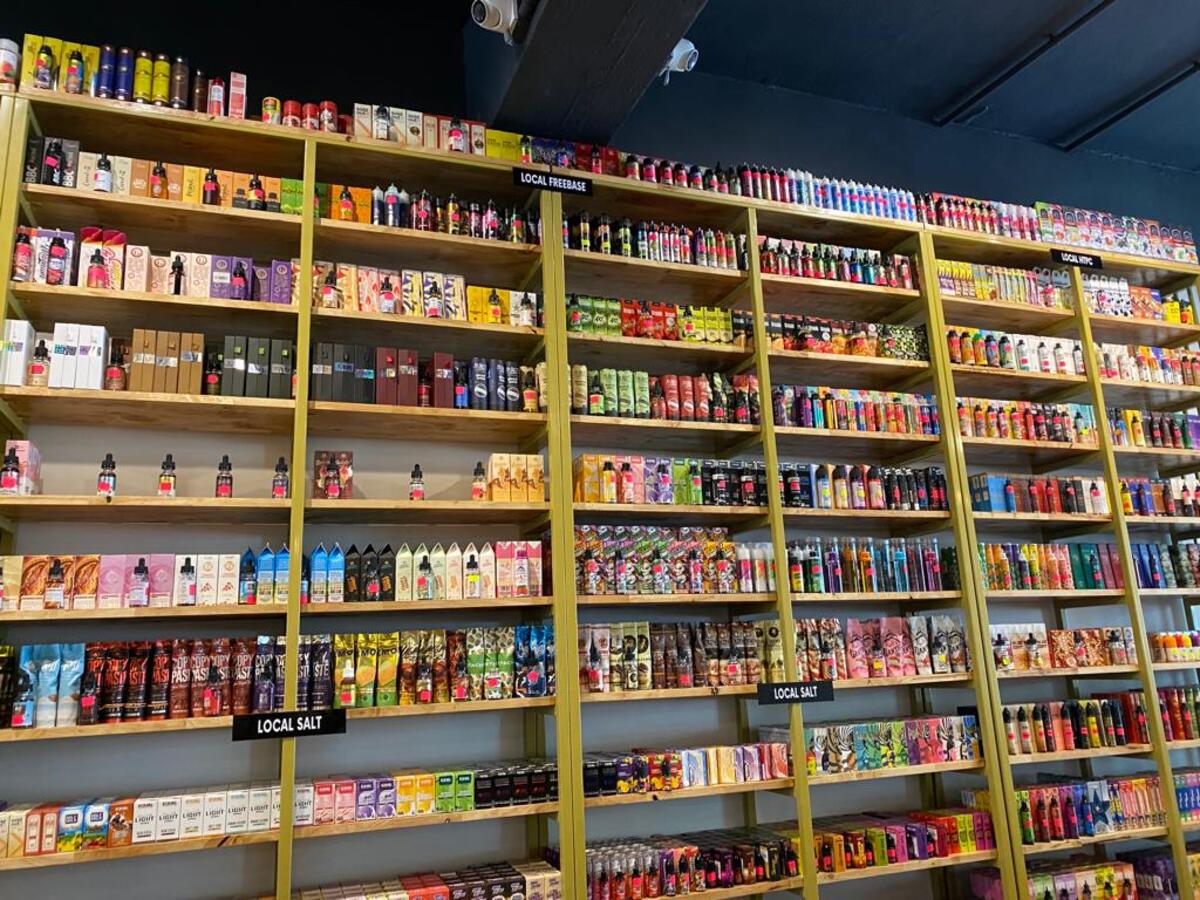
KUALA LUMPUR, May 25 — Vape businesses may be committing a criminal offence by selling nicotine vapes after the High Court nullified the delisting of liquid nicotine as a poison.
Kee Shu Min – one of the lawyers for the three anti-tobacco non-governmental organisations (NGOs) that filed a judicial review against the 2023 removal of liquid nicotine from the Poisons List – said the court verdict means that liquid and gel nicotine used in e-cigarettes and vapes continue to be classified as a poison under the Poisons Act 1952.
Scheduled poisons can only be dispensed by a licensed pharmacist or a registered medical practitioner.
“What this means is that anyone selling or supplying nicotine products, except those who are legally authorised to do so, could potentially be committing an offence,” Kee told radio station BFM last Tuesday on its “Top 5 at 5” programme.
“So in practical terms, the impact is more likely to be felt by vape sellers, distributors, and manufacturers, rather than consumers who use nicotine vapes.
“But if I myself am a consumer, this High Court ruling would be a wake up call for me to take a step back and think carefully whether it is worth continuing.”
The lawyer explained that the High Court’s decision last May 15 doesn’t affect the wording of the Control of Smoking Products for Public Health Act 2024 (Act 852) because nicotine can still be legally used in tobacco products as a smoking substance.
“However, liquid nicotine should no longer be used freely in e-cigarettes or vape products as the exemption has now been declared irrational by the court.”
Kee urged the Ministry of Health (MOH) to review its policy on legalising liquid or gel nicotine for use in e-cigarettes or vapes and consider amending the Poisons Act to give effect to the High Court judgment.
“If the government decides not to appeal, the High Court decision will become final and binding and the exemption is no longer valid,” she said.
“A lot of activists and NGOs have been calling on the government to reconsider its policy on regulation of e-cigarettes and vape products. Perhaps this would be the perfect time for the government to reassess its position on the legalisation of e-cigarettes or vape products, especially with growing statistics showing the health impact of vaping or e-cigarettes which appear to outweigh any financial benefits.
“I also think that it’s time for the government to stop turning a blind eye to this issue because public health is clearly at stake.”
When CodeBlue asked about the impact of the court ruling on taxation of e-liquids with nicotine, Kee said the government should suspend tax collection in the mean time.
Kee added that the government has to decide whether to uphold the court ruling or go back to the Poisons Board to try once again to remove liquid nicotine from the Poisons List. Amending the Poisons List only requires an order gazetted by the health minister, without needing parliamentary approval.
CodeBlue has requested comments from the Ministry of Finance (MOF) on whether it would stop collecting excise duties on nicotine-containing vape liquids and if it would refund the taxes collected since May 2023, since the government cannot tax illegal products.
CodeBlue has also asked the MOH whether it will instruct vape businesses to stop selling nicotine vapes immediately.
Health Minister Dzulkefly Ahmad, who is the first respondent in the lawsuit, has yet to announce if the government will apply for a stay of execution of the court decision and file an appeal.


