

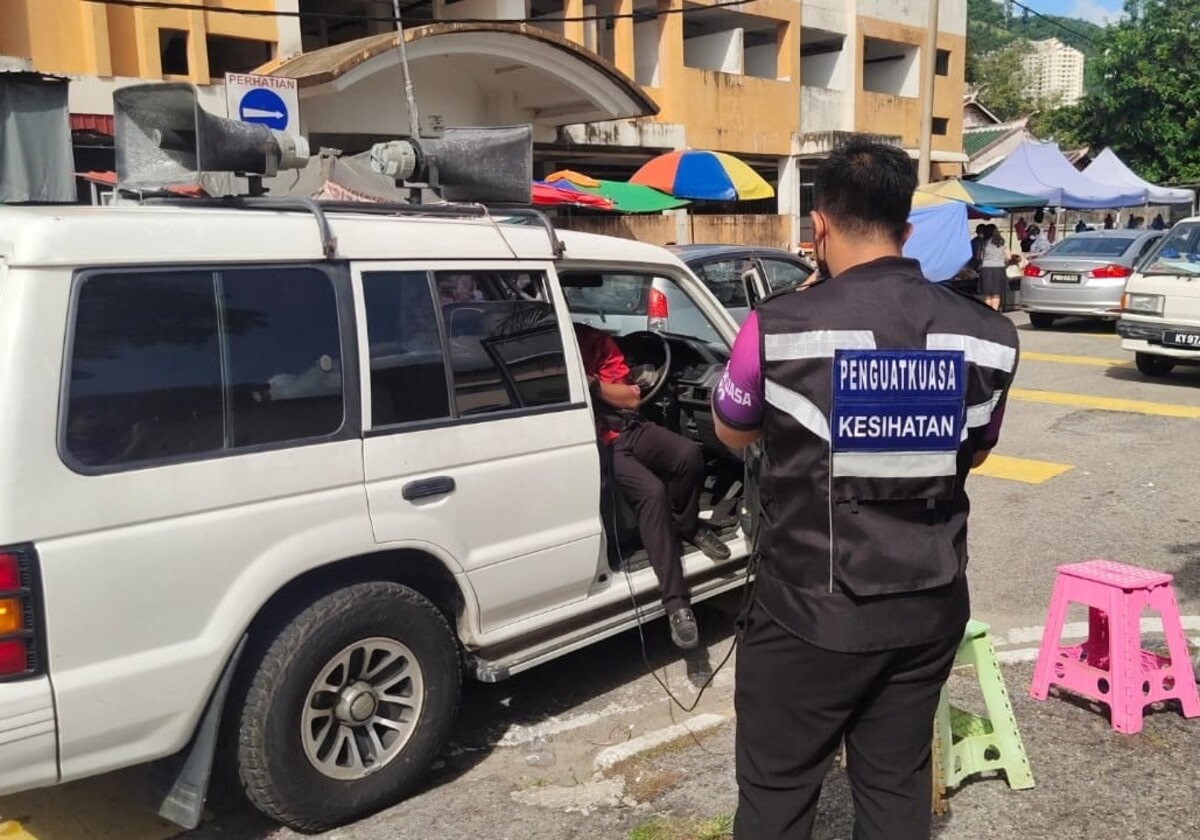
The reduction of the RON95 fuel subsidy quota from 300 litres to 200 litres per month has significantly impacted health personnel who rely heavily on daily mobility. In this context, Public Health Assistants (PKA) are among the most affected groups, yet their situation is often underrepresented in policy discussions.
In reality, the duties of PKA are not confined to office settings. A substantial portion of their work is carried out in the field — moving from one location to another, conducting inspections, enforcing public health laws, and implementing disease prevention and control activities within communities.
On a daily basis, PKA are required to cover wide operational areas, including rural and high-risk locations. This level of mobility is not optional, but a fundamental requirement to ensure effective delivery of public health services.
However, in practice, most of these movements depend on personal vehicles. Fuel costs are borne by the personnel themselves, with no assurance that the allocated quota is sufficient to meet actual operational needs.
The reduction to 200 litres clearly does not align with the realities of PKA duties. It not only increases financial burden but may also affect operational efficiency — particularly in situations that require immediate response and physical presence on-site.
The question remains: how can field personnel carry out their responsibilities effectively if basic operational support such as fuel is insufficient?
According to the President of the Public Health Assistants Union of Peninsular Malaysia, Elmy Quttaibah Samsunorial, the high mobility requirement among PKA must be a key consideration in any policy decision related to fuel subsidy allocation.
It is important to understand that the nature of PKA duties in the field is operationally driven, requiring continuous movement between locations throughout working hours.
In this regard, fuel quota determination should reflect actual operational needs to ensure that duties can be carried out smoothly without constraints that may affect service delivery.
Restoring the quota to 300 litres is not a privilege, but a practical necessity based on real working conditions in the field.
If this requirement is not addressed, it may impact operational mobility as well as the ability to respond effectively and promptly in the field.
The government is therefore encouraged to reassess the current implementation by taking into account actual operational requirements, in order to ensure that public health services can continue to be delivered effectively.
This statement was issued by Izhar Affendy Ismail, public health assistant secretary of Kesatuan Pembantu Kesihatan Awam Semenanjung Malaysia (KPKASM).
- This is the personal opinion of the writer or publication and does not necessarily represent the views of CodeBlue.


