

Prime Minister Anwar Ibrahim recently announced that the government is fine-tuning flexible working arrangements, including work-from-home (WFH), for civil servants in response to global oil supply disruptions.
At face value, this is a sensible and forward-looking policy. Reducing fuel consumption, easing congestion, and improving work-life balance are all commendable goals.
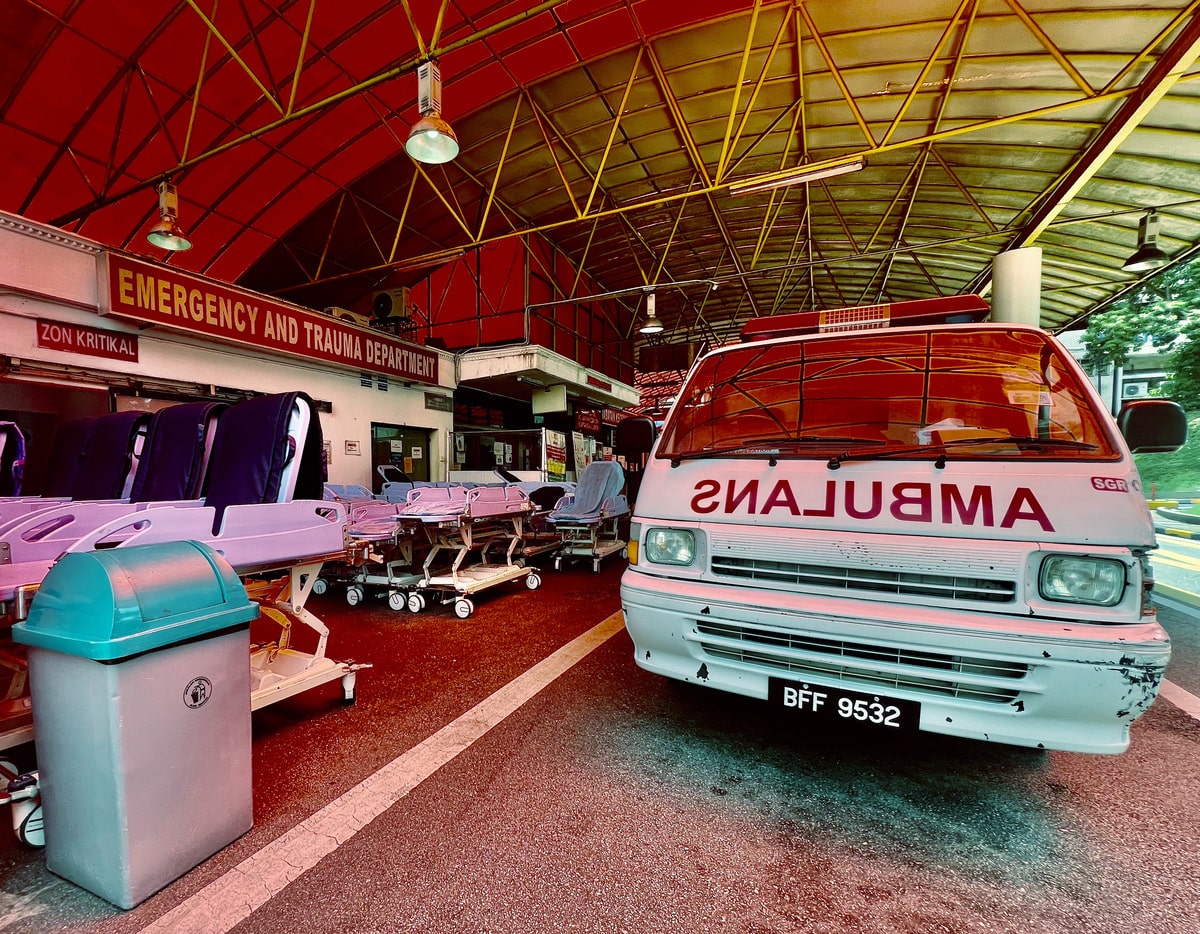
However, this policy also exposes a critical issue that must be addressed: not all civil servants have the option of working from home. Health care workers, police officers, military personnel, and emergency responders remain bound by the physical demands of their roles.
A doctor cannot manage a critically ill patient remotely. A police officer cannot maintain public order from a laptop. A soldier cannot defend national borders from home.
While some civil servants benefit from reduced commuting costs and increased flexibility, others will continue to report to work daily, endure long hours, and shoulder physical and psychological risks — without any of these advantages. This creates an imbalance.
A policy designed to ease national burden should not inadvertently widen disparities within the same workforce. If one group enjoys structural benefits such as time savings and reduced expenses, then fairness demands that those excluded by necessity receive appropriate recognition. There are practical and reasonable ways to address this.
First, targeted financial incentives should be considered. Enhanced on-call allowances for health care workers, transport or fuel subsidies for frontline personnel, and service-based incentives would help offset the lack of flexibility. Second, tax-based relief could be introduced. Income tax reductions or special deductions for essential service workers would acknowledge their continued on-site obligations.
Third, non-monetary measures — often overlooked but highly impactful — should be implemented. These include priority access to child care support, flexible leave prioritisation for frontline workers (especially during festive and school holiday periods), accelerated career progression or fast-track promotions to recognise service intensity, and reduction of administrative burden by streamlining non-essential documentation and delegating clerical tasks.
These are not luxuries. They are practical measures that can be implemented within existing systems to restore balance. Beyond these measures, there is also a more difficult but necessary conversation. If working from home significantly reduces daily costs and logistical burdens for a segment of the workforce, should compensation structures remain entirely unchanged?
This is not about penalising those who work remotely. Their roles remain important. But from a policy perspective, fairness requires alignment between effort, burden, and benefit. This could involve reassessing cost-of-work differences, redirecting operational savings towards frontline sectors, or ensuring that compensation reflects real working conditions.
In the same spirit of shared responsibility, leadership must also reflect these principles. If fuel conservation and cost discipline are national priorities, then a review of allowances at the highest levels of governance is both reasonable and necessary.
This includes not only petrol allowances, but also toll allowances, entertainment allowances, and personal driver provisions, which collectively represent significant recurring expenditures. Rationalising these benefits would send a clear and powerful signal: that sustainability and sacrifice are shared responsibilities — not burdens placed solely on the broader civil service.
Ultimately, this is not about reducing salaries. It is about ensuring that no group is left relatively disadvantaged by policies intended to benefit the whole. Public policy does not operate in a vacuum. It shapes morale, perception, and trust.
If one group is seen to benefit while another continues to carry disproportionate burdens without recognition, dissatisfaction will grow. Over time, these risks eroding confidence in leadership — something Malaysia can ill afford in an already uncertain global climate.
The government’s intention to introduce flexible work arrangements is commendable. But flexibility, on its own, is not enough. It must be accompanied by fairness. Those who cannot work from home are not less important.
In many ways, they are the backbone of the nation — the ones who keep essential services running when others are able to stay home. If Malaysia is to remain resilient, then every policy must uphold a simple principle: Fairness must be felt by all, not just enjoyed by some.
The author is a doctor in public service. CodeBlue is providing the author anonymity because civil servants are prohibited from writing to the press.
- This is the personal opinion of the writer or publication and does not necessarily represent the views of CodeBlue.


