

KUALA LUMPUR, March 5 — Sugar and instant noodles are among the most purchased items under the Sumbangan Asas Rahmah (Sara) aid programme, according to data presented by the Ministry of Finance (MOF) to a parliamentary special select committee (PSSC).
In its 224-page report tabled in the Dewan Rakyat on Tuesday, the Domestic Trade, Entrepreneurship, Cost of Living, and Agriculture PSSC said Sara spending was more concentrated on sugar and highly processed foods like instant noodles and biscuits, reflecting a tendency toward “less healthy diets”.
The committee said the pattern raises questions that warrant further study on the use of government aid for other essential goods.
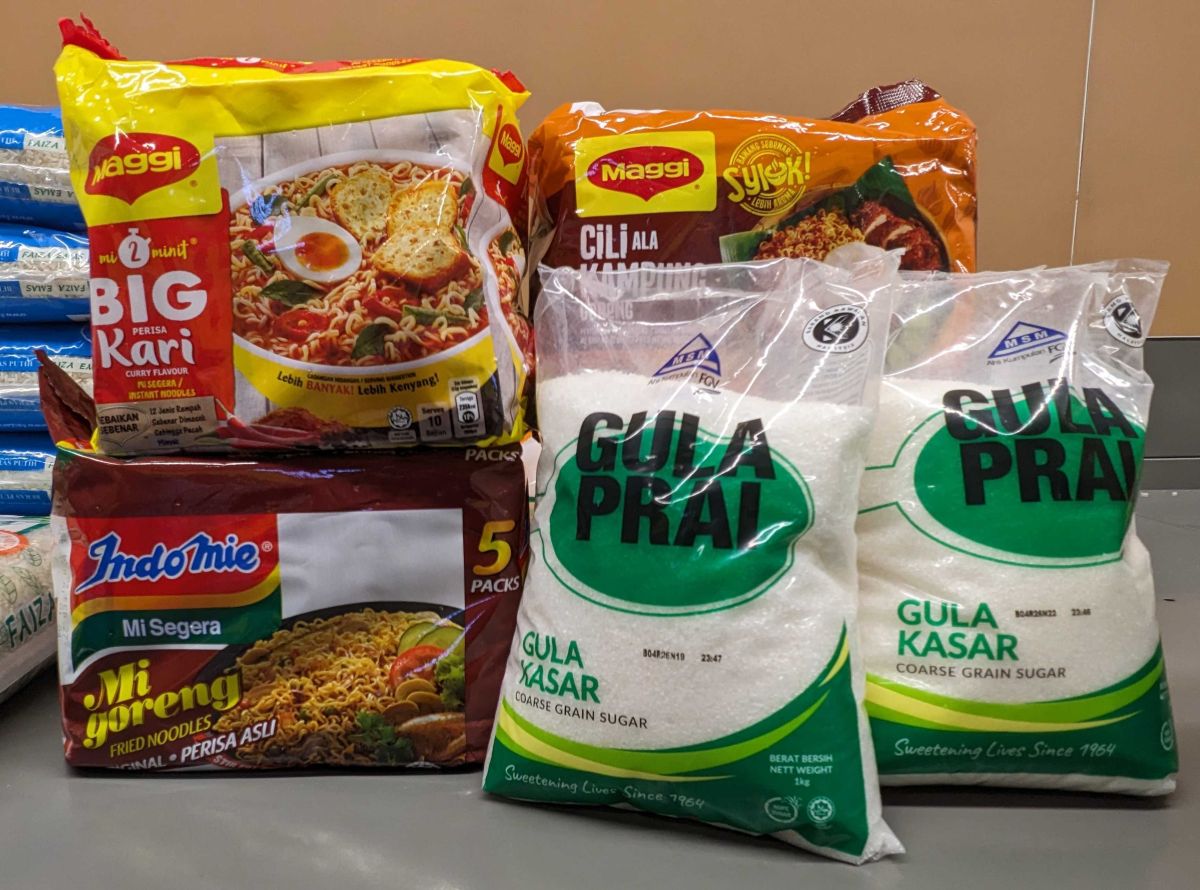
MOF data presented during a January 26 proceeding showed that the top five Sara purchases in 2025 by unit volume were sugar, curry instant noodles, cream crackers, fried instant noodles, and eggs.
Other items among the top 16 most purchased items under the government aid programme included wheat flour, as well as sugary foods like a chocolate malt beverage, condensed milk, evaporated milk, peanut butter, various flavoured buns, and canned mushroom soup.
Most of the popular Sara items are sweet foods, besides the number one most purchased product being sugar itself, amid a high diabetes prevalence with 21 per cent of Malaysian adults living with the disease.
Treasury secretary-general Johan Mahmood Merican acknowledged that the purchasing pattern reflected food products that were not necessarily healthy.
“The observation that these purchases are less healthy is correct, because sugar is one of them. Not only sugar, instant noodles are also among them, and Milo, which has a high sugar content as well,” Johan said during a January 26 proceeding, according to the Hansard published in the PSSC report. “Many of the items like bread and instant noodles are not very healthy.”
Prime Minister Anwar Ibrahim, who is also the finance minister, verbally told Malaysians in 2024 to reduce their sugar intake.
Health Minister Dzulkefly Ahmad reportedly told Parliament yesterday that Cabinet members constantly remind each other “on how best to use taxation, whether to incentivise or de-incentivise, especially in the case of sugar”.
Contrary to such assertions, the government is subsidising sugar twice (subsidies for major sugar producers and cash aid for consumers), besides subsidising other sugary foods under Sara that have turned out to be the most popular items in the programme.

Several members of the PSSC, including its chairman Cha Kee Chin (PH-Rasah), said they were “surprised” by the list, as staple items such as rice and cooking oil did not appear among MOF’s list of the 16 most purchased items.
“When I saw this, I was quite surprised, because rice is our staple food. If I go a day without eating rice, I cannot stand it. So why is that? Is there any study or market trend that explains why it is like this?
“And what I see at number one, I apologise, but I see sugar at number one. That is not healthy. Even though we acknowledge that this is among the basic necessities – these are indeed popular items in the market, in grocery shops and mini-markets and so on – but it actually shows a less healthy eating trend, because the government is asking people to reduce sugar consumption from the Ministry of Health (MOH) side,” Cha said.
The MOF list was presented before the government expanded the Sara programme to include frozen food items.
MyKasih Slides: Beverages, Seasoning, Noodles Most Popular Sara Products

Slides presented by MyKasih Foundation to the PSSC provided more detailed breakdowns of Sara purchases by product category and specific stock-keeping units (SKUs).
According to the slides, beverages were the most purchased category under Sara in 2025, with about 40.2 million items bought, followed by seasoning at 35.2 million items and noodles at 27.1 million items.
Biscuits were the fourth most purchased category with 26.3 million items, followed by bread at 19.4 million items and canned food at 17.8 million items.
Rice ranked eighth with about 8.9 million items purchased, while cooking oil was twelfth with about 6.9 million items bought.
In total, about 244 million items were purchased by roughly 22 million Sara recipients in 2025.

Another slide listed the top 20 individual products purchased under the programme.
Coarse sugar (gula prai kasar) was the most purchased product with about 19.4 million units, followed by Maggi curry instant noodles with about 15.4 million units and CSR coarse sugar with about 12.8 million units.
Cream cracker biscuits ranked fourth with about 9.6 million units, followed by Mi Sedaap instant noodles with about 7.9 million units.
Other frequently purchased branded items included Milo beverages, Dutch Lady milk drinks, and Ayam Brand sardines.
Rice products appeared further down the list, including Kashmiri rice and imported Thai jasmine rice, each with fewer than one million units purchased.

Separate data on the monthly Sara programme showed even larger purchasing volumes.
According to the MyKasih slides, about 556 million items were purchased by roughly 5.4 million monthly Sara recipients in 2025.
Seasoning was again the most purchased category with about 98 million items, followed by beverages at 92.8 million items and noodles at 58.9 million items.
Barcode System Limits Fresh Food Inclusion
The MyKasih data highlights how the design of the Sara programme may influence what recipients purchase. The aid can only be spent on approved items registered with barcodes in participating stores, which effectively limits purchases to packaged and processed goods.
Fresh food items such as vegetables, fish, and poultry are largely excluded from the system because they typically do not carry individual barcodes.
MyKasih Foundation, which operates the programme, told the PSSC that fresh food items such as fish and vegetables are still not eligible for purchase using Sara credit.
Its chief operating officer Yuvendran Arumugam said frozen products such as chicken, meat, fish, squid, and prawns can be included because they are packaged with barcodes.
“One thing we need to consider is that these wet items spoil quickly. We do not want retailers to take advantage and start selling old fish or old chicken under Sara. Then the feedback will be different. So we need to monitor that,” Yuvendran told the PSSC in a separate proceeding.
During the proceeding, Khoo Poay Tiong (PH-Kota Melaka) questioned the rationale for excluding fresh food when many participating supermarkets already sell such items.
“I mean it should be included, because I cannot accept that reason. If you say retailers might take advantage, those shops are already selling these items. Mydin already sells chicken, vegetables, everything,” Khoo said.
Yuvendran said the programme is currently studying how to incorporate fresh food safely. “What we are doing now is looking into the mechanism,” he said. “Recently we allowed frozen items, so we will let the frozen items run first. We’ll improve as we go.”
The Sara expansion last month to frozen foods covered mostly highly processed foods that were previously banned by the government in schools, such as nuggets, sausages, and fried chicken, instead of nutritious foods like fruits and vegetables.


