

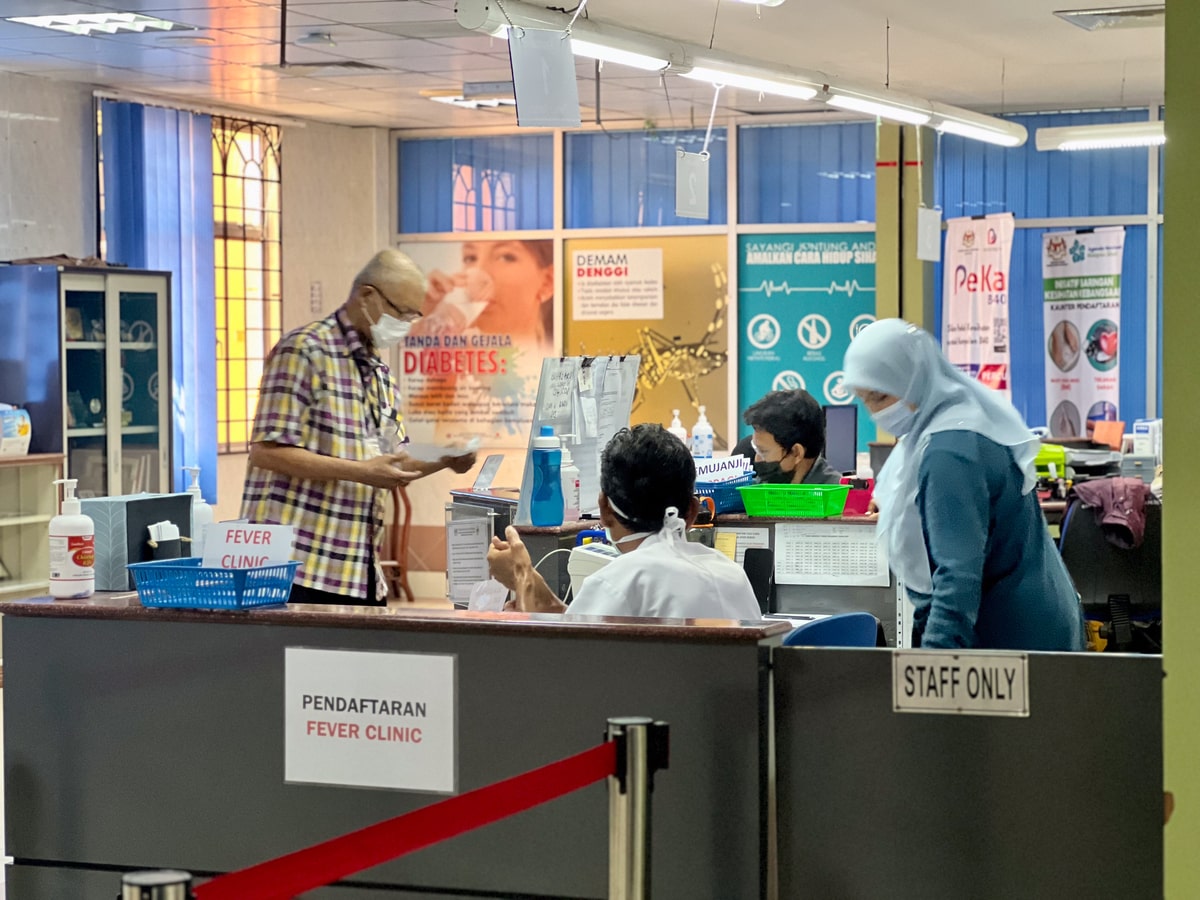
I am writing to highlight an issue affecting Family Medicine Specialist (FMS) specialists undergoing gazettement that may warrant broader discussion, particularly in relation to training structure, workforce planning, and equity across medical specialties.
As we all know, Family Medicine Specialists (FMS) play a crucial role in delivering comprehensive and continuous care at the primary care level. The gazettement period is intended to support newly qualified specialists in transitioning into this role through structured learning, supervision, and gradual assumption of responsibilities.
At present, FMS gazetting specialists are required to see medical officer (MO) pool patients for approximately three to four days a week. On the remaining days, they are expected to manage Family Medicine Specialist clinics and participate in other Family Medicine Service responsibilities.
These include attending meetings, learning about audits, participating in projects, understanding key performance indicators (KPIs), and becoming familiar with administrative and leadership roles within the clinic.
Within the same six-month gazettement period, gazetting specialists are also required to complete and submit their logbooks within five months. This logbook is an important component of training, as it documents competency development and exposure to the full scope of Family Medicine practice.
While service delivery is an essential part of medical training, it may be timely to reflect on whether the current balance between service and learning during the gazettement period is optimal. Managing MO pool duties alongside specialist clinics and administrative responsibilities can make it challenging for gazetting specialists to fully engage in the learning objectives intended for this phase of training.
It is also worth noting that this arrangement appears to be specific to Family Medicine. Gazetting specialists in other disciplines such as Obstetrics & Gynaecology, Paediatrics, Internal Medicine, and Public Health do not routinely undertake MO pool duties while completing their specialist gazettement. This difference raises questions about consistency and equity across postgraduate specialist training programmes.
One explanation that has been shared is the shortage of MO posts in clinics. While manpower constraints are a genuine challenge, this raises further questions about why this solution was implemented specifically within Family Medicine, and whether alternative workforce strategies could be considered that do not place a disproportionate burden on gazetting specialists during a critical training phase.
Family Medicine already requires a wide skill set, encompassing clinical care, continuity of care, leadership, and system-based practice. Ensuring that gazettement provides sufficient protected time for learning these competencies is important not only for trainee development, but also for the long-term quality of primary care services.
This article is written in the spirit of constructive dialogue. A review of the current gazettement structure, with input from trainees, supervisors, and policymakers, may help identify ways to better align service needs with training objectives, while maintaining fairness across specialties.
The author is a government doctor. CodeBlue is providing the author anonymity because civil servants are prohibited from writing to the press.
- This is the personal opinion of the writer or publication and does not necessarily represent the views of CodeBlue.


