

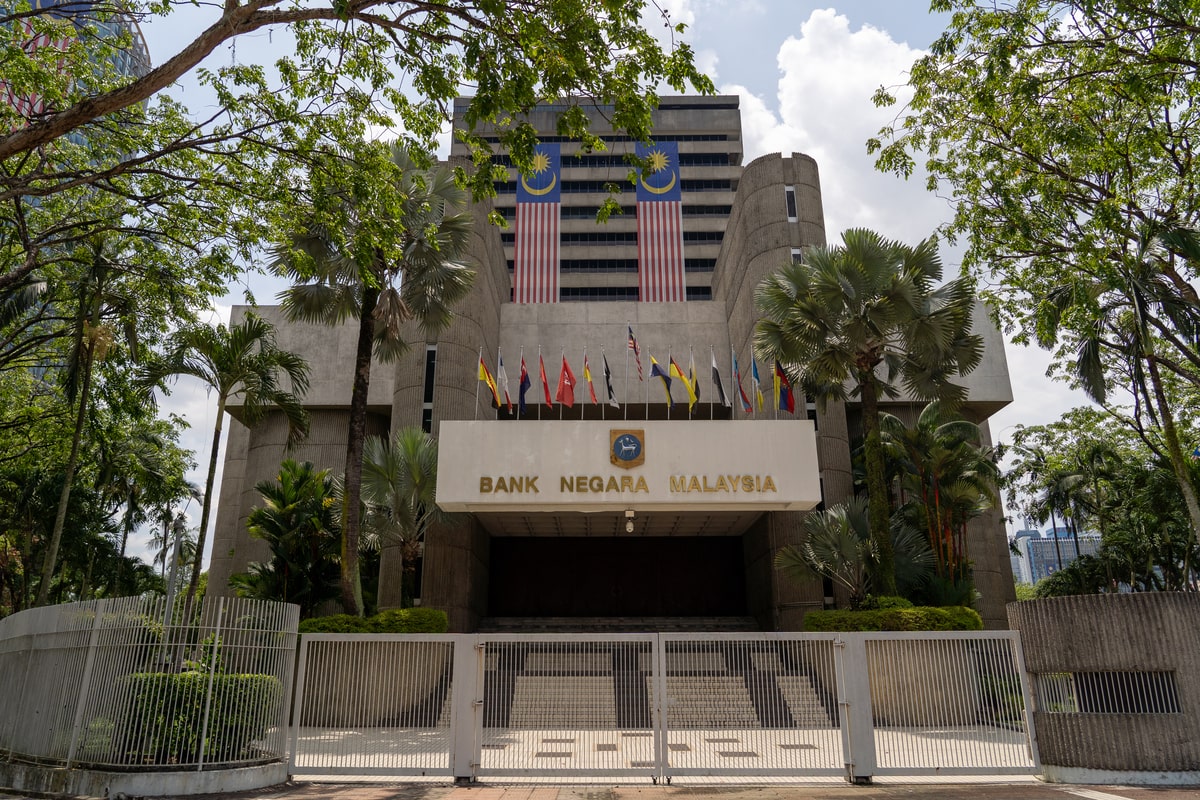
In coverage of Ramu’s insurance delay case, Bank Negara Malaysia (BNM) has publicly stated that it would, as part of its regulatory mandate, investigate any situation in which insurers introduce unexpected exclusions to deny claims.
On paper, this was a strong declaration of regulatory oversight and consumer protection. But when the rubber meets the road, is this commitment meaningful, or merely rhetorical theatre?
The answer becomes clear when examining a recent dispute. Despite raising serious concerns about the sale of redundant insurance riders and post-issuance reinterpretation of contractual benefits, BNM’s response amounted to little more than an echo of the insurer’s explanations.
Insurance contracts are built on certainty: the wording of a policy defines benefits, obligations, and expectations for both insurer and policyholder.
Regulators, in turn, are tasked with ensuring that insurers honour these contracts and that market conduct is fair, transparent, and consistent.
When the boundaries between intention, interpretation, and contractual language become blurred, the risk is not only to individual policyholders but also to the trust and integrity of the insurance system.
Two Stark Examples
Redundant Rider Sale: A Waiver of Premium (WP) rider was sold atop an existing Advance Payment and Waiver of Premium (APWP) provided as a free benefit.
When asked why the WP rider is necessary when the APWP benefit already waives premiums in the event of disability, the insurer could only claim the two are “different” products — without providing a substantive answer.
Economically, the WP rider adds nothing that truly benefits the policyholder; paying extra is wasted money to the policyholders but added revenues to the insurers.
Post-Issuance Reinterpretation of Guaranteed Cash Payment: The policy provides an annual guaranteed coupon explicitly stated as 4 per cent of the Face Amount (FA), which increases annually. What was originally RM50,000 had increased to RM67,000, as confirmed by the insurer.
However, 4 per cent of RM67,000 is not RM2,000, the amount actually paid. When the policyholder raised this discrepancy, the insurer later qualified the calculation as based on the “initial” FA — a term nowhere present in the policy contract. This raises concerns about post-hoc reinterpretation of contractual terms, potentially reducing benefits without consent or contractual authority.
Once again, BNM did not challenge this reinterpretation, effectively allowing the insurer to rewrite contractual obligations unilaterally.
In its reply to the policyholder complaint, BNM meekly states: “In this regard, we consider this issue to have been resolved appropriately.”
Yet, it offered no explanation of how it was resolved, or to whose satisfaction. The policyholder remains aggrieved, and the systemic concerns remain entirely unaddressed.
BNM, by failing to act, is just as guilty as insurers: not saying what they mean, and not meaning what they say.
The Consequences Of Regulatory Indifference
This is not about resolving a single dispute. Regulatory indifference exposes all policyholders to the same practices, past, present, and future.
When regulators fail to act, they send a signal: insurers may substitute internal intention for contract terms at will.
This is not oversight — it is implicit condonation, eroding both contractual certainty and public trust in the insurance market.
Questions BNM Must Answer
- Are insurers allowed to impose unstated qualifiers post-issuance, contrary to contract language?
- Is it acceptable to sell redundant, premium-paying riders under the guise of “different benefits”?
- How does BNM ensure that silence is not interpreted as permission, and that patterns of questionable market conduct are systematically addressed?
BNM’s own words promised oversight and protection. Yet, the current reality demonstrates inaction, silence, and a disturbing tolerance for questionable market conduct.
Policyholders deserve better. If regulatory silence continues, the principle of certainty that underpins Malaysia’s insurance market will continue to erode, leaving consumers unprotected and trust in the system severely compromised.
Transparency, consistent oversight, and clear guidance are essential to ensure that policyholders can trust that contracts mean what they say — and that regulators act when those meanings are challenged.
The author has 30 plus years of back-office experience in underwriting and claims in the life insurance industry.
- This is the personal opinion of the writer or publication and does not necessarily represent the views of CodeBlue.


