

When Singapore announced its collaboration between Tan Tock Seng Hospital (TTSH) and Nanyang Technological University (NTU) to incorporate Traditional Chinese Medicine (TCM) into in-patient care, many Malaysians took notice.
For those of us who have long worked at the intersection of Western and traditional medicine, it was not just news, it was déjà vu.
50Malaysia has done this before. We were among the first in the region to integrate Traditional and Complementary Medicine (T&CM) services into government hospitals.
Acupuncture and selected T&CM modalities have been practised safely within public hospitals for years, guided by structured protocols and outcome monitoring.
These initiatives demonstrated that collaboration between modern medicine and traditional practice can be safe, evidence-based, and beneficial.
Yet today, our own progress is stalled — not by lack of expertise or public demand, but by regulation. The Private Healthcare Facilities and Services Act 1998 (PHFSA) effectively prohibits T&CM practice in private hospitals and clinics, even when performed by registered and credentialed practitioners.
This means that while government hospitals continue to offer limited collaborative care, the private sector — where more than 95 per cent of Malaysia’s T&CM practice operates — remains legally barred from doing the same.
This is not a trivial gap. It directly affects how Malaysians can access comprehensive and coordinated treatment.
In an ageing population burdened by chronic diseases and cancer, patient-centred care should not be restricted by outdated legal frameworks.
The evidence from public hospitals has already shown that T&CM can play a complementary role in managing pain, fatigue, and quality of life — safely and under professional supervision.
From my time as Head of Policy and Development at the Ministry of Health’s (MOH) T&CM Division, and later as Head of the T&CM Unit at the National Cancer Institute, I have seen how structured collaboration improves outcomes and reduces reliance on unverified therapies outside the system.
When T&CM operates within a hospital framework, it becomes part of a regulated ecosystem — documented, audited, and accountable.
Singapore’s model offers a timely contrast. Their system allows hospitals to collaborate with accredited TCM institutions under clear governance and clinical oversight.
It is not an unregulated mix of methods, but a formal partnership where medical and TCM professionals work together for patient benefit.
Malaysia already has the professional registry and regulatory structure under the T&CM Act 2016 to support such a model. What prevents it is the misalignment between that Act and the PHFSA, which was written at a time when private-sector collaboration was not envisioned.
It is time to correct this policy contradiction. Revising the PHFSA to allow evidence-based, credentialed T&CM services within private hospitals would not only expand patient choice but also relieve the public sector burden.
It would also strengthen Malaysia’s competitiveness in regional medical tourism, where demand for regulated, comprehensive care is growing.
Ultimately, this is about more than just traditional medicine. It is about recognising that modern health care should evolve with science and society — not be constrained by outdated definitions of what “belongs” in a hospital.
Malaysia once led the region in integrating T&CM within government hospitals. Today, our own law prevents us from advancing further. It is time we revisit those regulations — not to weaken them, but to make them wiser, more flexible, and aligned with what our patients truly need.
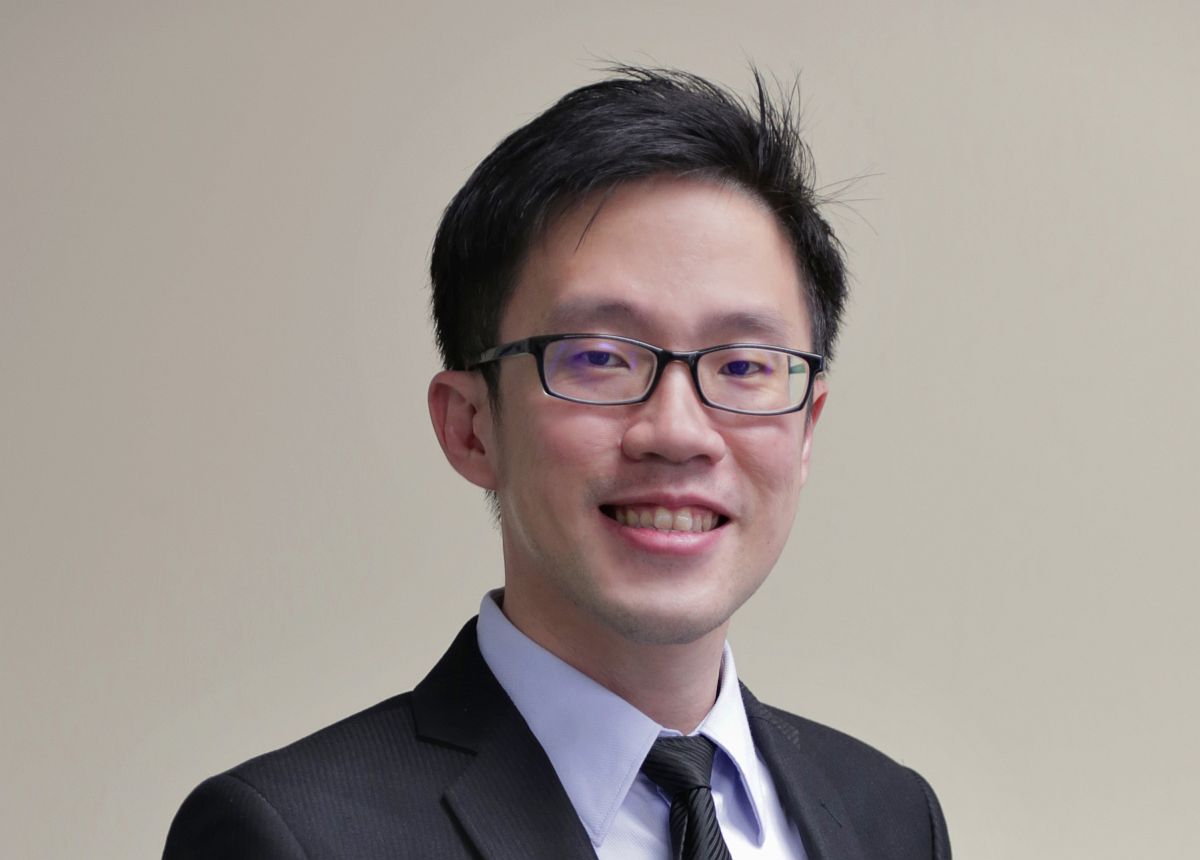
Dr Lim Ren Jye is a dual-licensed medical and T&CM practitioner. He formerly headed the Policy and Development Section of the T&CM Division at the Ministry of Health and served as Head of the T&CM Unit at the National Cancer Institute.
- This is the personal opinion of the writer or publication and does not necessarily represent the views of CodeBlue.


