

“A promise is a promise — until it isn’t.”
When the health minister stood before the nation and declared that MediAsas would cover Malaysians with “stable, controlled pre-existing conditions”, millions dared to hope.
Here, at last, was a government that understood the quiet desperation of those locked out of the private insurance market – the diabetic, the hypertensive, the survivor of cancer, the millions living with chronic illness who had been told, year after year, that their medical history disqualified them from protection.
The hope was not unfounded. The minister had promised that MediAsas would break through areas that many insurance products dare not venture into, including treatment for mental health conditions and non-communicable diseases “even if the condition existed before purchasing the policy”. The government spoke of a “no look-back” policy to ensure fairness.
Then the fine print arrived. And with it, a betrayal of staggering proportions.
The Fine Print That Swallowed The Promise
Bank Negara Malaysia’s official 22-page FAQ, published on July 29, 2026, laid bare the uncomfortable truth. MediAsas, the government’s flagship health insurance product, is nothing more than a standard medical plan with usual exclusions of pre-existing conditions. It is no different from commercial health insurance products in Malaysia.
The FAQ lists 35 major exclusions. Pre-existing conditions are prominently among them. Mental or nervous disorders are another. The minister’s promise of coverage for “stable, controlled” conditions evaporated into thin air.
Furthermore, the premiums or contributions for this plan are not guaranteed and the insurer or takaful operator reserves the right to revise the premium/contribution by giving a written notice of at least 30 days prior to the policy / certificate anniversary date.
MediAsas is a fully underwritten product. Applicants must disclose their full health history. Based on that information, insurers may require additional medical evidence to determine “insurability”. In plain English: insurance companies still get to say no. They still get to exclude. They still get to charge prohibitive premiums. Nothing has changed.
Although this is the pilot version of the MediAsas (the benefits, terms, and conditions in this pilot version may be revised and updated to align with the final approved MediAsas version), the damage has already been done.
The ‘No Look-Back’ That Looks Back
The government’s much-touted “no look-back” policy has proven equally hollow. While it was sold as a protective mechanism to prevent insurers from trawling through old medical records to deny claims, the reality is far less reassuring.
MediAsas imposes a seven-year moratorium before insurers are prohibited from contesting claims on grounds of non-disclosure. Even after seven years, claims can still be rejected if the insurer establishes that non-disclosure was “fraudulent, deliberate, or reckless”.
Even more devastatingly, claims can be rejected if they relate to a “Pre-Defined Medical Condition” — including cancer, organ failure, and major cardiovascular disease — that existed before the policy was purchased.
For the chronically ill, this is a cruel irony. The very conditions they need coverage for remain permanently excluded, no matter how long they hold the policy.
“A promise is a promise,” the English proverb goes, but under MediAsas, promises are merely suggestions.
A Product Designed For Insurers, Not Patients
The explanation for this betrayal is simple. MediAsas is being offered by six participating insurance and takaful operators. It is, at its core, a product designed by insurers, for insurers.
Its decisions on coverage, pricing, and exclusions are driven by commercial logic – the imperative to protect profit margins – not by public health imperatives.
It is a damning verdict on a product that promised transformation but delivered replication.
What the Government Must Do
The MediAsas debacle is not merely a policy failure. It is a breach of faith with millions of Malaysians who were told they would finally have access to affordable private healthcare. The government must act decisively to restore that faith.
Establish a publicly administered health insurance fund: A government-designed product should be governed by a government body, not left to the discretion of private insurers. This fund should offer community-rated premiums and guaranteed coverage for pre-existing conditions, regardless of “insurability” assessments.
Mandate universal participation: Voluntary insurance cannot deliver universal protection. The government must move towards mandatory participation, phased in over time, to ensure that risk is pooled across the entire population – young and old, healthy and sick.
Introduce a progressive contribution structure: Premiums should be based on ability to pay, not on health status. Those who can afford more should contribute more, and those who cannot should be subsidised.
Establish a single public purchaser for health care services: A centralised purchasing authority could negotiate drug prices, standardise hospital fees, and eliminate the opaque billing practices that drive medical inflation. This would give the government real power to control costs, rather than simply shifting them to patients.
Invest in digital health infrastructure: A unified electronic health record system linking public and private providers would enable seamless continuity of care, reduce duplication, and improve outcomes. Patients should not have to choose between fragmented care and no care at all.
Establish independent oversight: A statutory health commission, independent of both government and industry, should monitor costs, quality, and access. It should have the authority to investigate complaints, impose penalties, and recommend policy changes.
Conclusion: A Reckoning We Cannot Escape
A house built on sand cannot stand. MediAsas was built on the shifting sands of political rhetoric and commercial interest. When the tide of public scrutiny rose, it collapsed.
The betrayal of the chronically ill is not merely a failure of product design. It is a failure of political will – a refusal to confront the uncomfortable truth that voluntary, market-driven insurance cannot deliver universal protection.
Pre-existing conditions will never be covered under a system designed by insurers for profit. Only a system designed by the public for the public can guarantee that no Malaysian is left behind.
The government has a choice. It can continue to tinker at the edges, offering products that promise much and deliver little. Or it can summon the courage to build a genuine National Health Insurance system, one that pools risk across the entire population, guarantees coverage for all, and places the health of the nation above the profits of the few.
The patient is the health care system itself. The diagnosis is clear. The remedy is known. The question is whether Malaysia will finally act, or whether it will continue to offer hollow promises to those who need them most.
The proof of the pudding is in the eating. The people of Malaysia are waiting for a pudding that delivers what it promises.
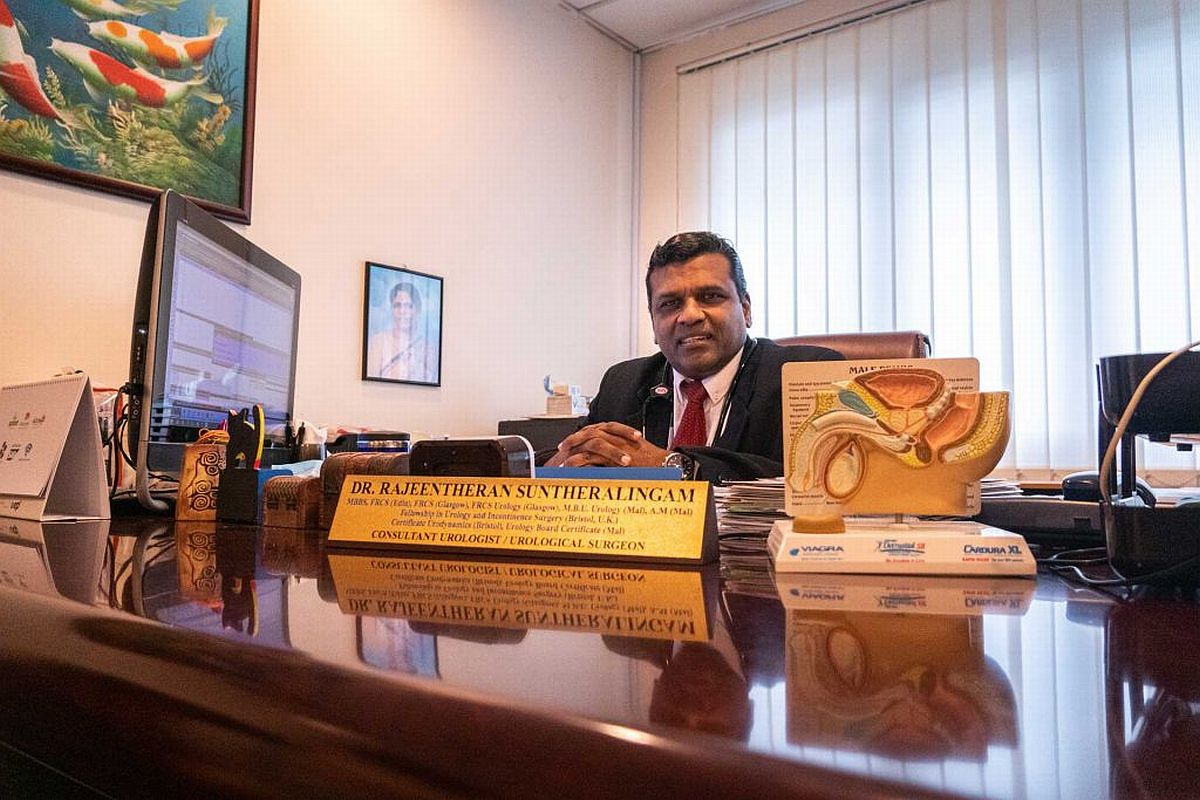
The author is a senior consultant urologist and urological surgeon at Damansara Specialist Hospital.
- This is the personal opinion of the writer or publication and does not necessarily represent the views of CodeBlue.


