

KUALA LUMPUR, Dec 15 — Health advocates have called for nutritious food to be made more affordable in Malaysia, amid growing demand for healthy food despite rising cost of living.
Prof Dr Rohana Abdul Ghani, senior consultant endocrinologist at Al-Sultan Abdullah UiTM Hospital (HASA), said affordability is a hindrance to eating healthy and nutritious food in the country.
“Key food categories – including healthy protein sources, and good fruits and vegetables – are not affordable to many, maybe most, Malaysians. Thus, this challenges the ability of many households to maintain a nutrient-rich diet,” Dr Rohana told CodeBlue.
“However, this is perhaps oversimplifying the situation. A greater concern is the poor health literacy among many Malaysians – that they are unable to identify more nutritious food or to differentiate them from high-density, less nutritious food.”
She listed several sources of affordable and nutritious food:
- Proteins: eggs, chicken (relatively cheaper than fish), local fish (ikan selar, kembung), plant-based proteins (tofu, tempeh, lentils, chickpeas, other beans).
- Vegetables: Local vegetables like bayam, kangkung.
- Fruits: Green apples, guava, watermelon.
“Good nutrition is the most fundamental and extremely important aspect of curbing non-communicable diseases (NCDs),” said Dr Rohana.
“A balanced diet rich in whole foods, lean proteins, healthy fats, optimum amounts of carbohydrate, fruits, vegetables can prevent obesity, protects against diabetes, high blood pressure and the consequential heart, kidney and liver diseases.
“No medication can replace the power of healthy eating. Dietary changes and physical activities are the foundation upon which all other treatments stand.”
The Star reported last month that about 21 per cent of Malaysia’s population have diabetes, the highest prevalence in Southeast Asia and 13th highest globally. About 54 per cent of the adult population in Malaysia are either overweight or obese, according to the National Health and Morbidity Survey (NHMS) 2023.
Dr Rohana believes Malaysians are increasingly aware about the importance of healthy weight and lifestyles, but noted that unhealthy food advertising is unrestricted and the country has poor governance of the food and beverage industry.

A recent survey by the Galen Centre for Health and Social Policy and Universiti Teknologi MARA (UiTM) found that “Suku-Suku Separuh” meals are unaffordable for most Malaysian families, as eating two such healthy meals daily costs 46 per cent of household income in Malaysia.
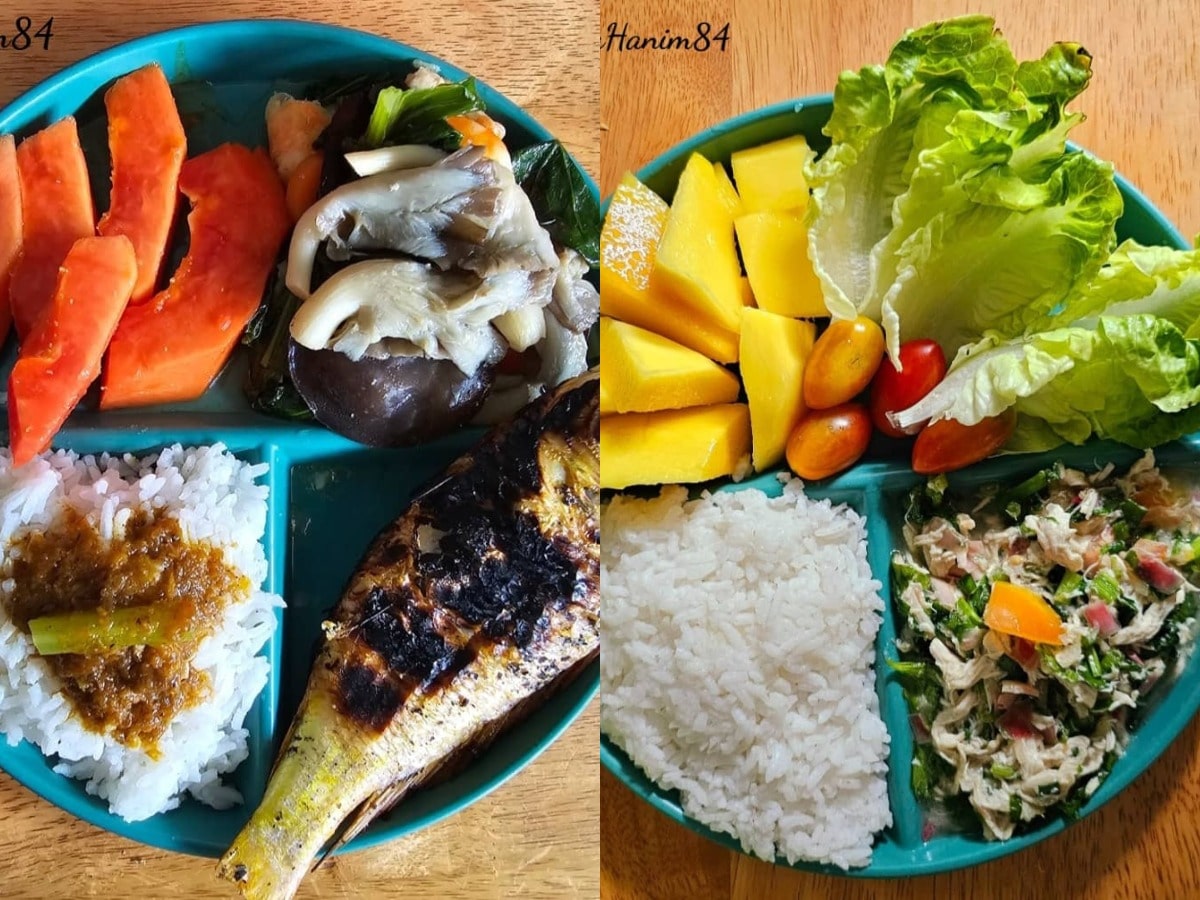
Following publication of the poll, Galen Centre chief executive Azrul Mohd Khalib suggested the development of visual guidance charts for different regions in Malaysia that show how nutritious meals could look like in Kedah, Johor, Kelantan, Sabah and Sarawak.
“This is to help guide people who want to adopt the Suku-Suku Separuh model but may not know how it may look like based on their local food,” Azrul told CodeBlue. “It should not be a one size fits all approach.”
Other policy recommendations by the Galen Centre to increase affordability of nutritious food include targeted subsidies for fruits. Food classified as A and B under Nutri-Grade, Malaysia’s food and drink grading system, should be actively promoted and made more visible. Assistance schemes like SARA should include fruits and vegetables.
“Affordability, especially for key ingredients such as fruits and vegetables, is a key determinant for families when preparing meals at home. Even locally grown fruits and vegetables could be affected by SST (sales and service tax) imposed on fertilisers and nutrients which are often imported,” said Azrul.
“The recent floating of chicken and eggs market prices – which are considered the most affordable or cheapest form of protein – may also restrict their availability, especially to lower income households.
“It is erroneous to assume that food affordability is not an issue in Malaysia.”
Herbalife Polls Show Rising Trend Of Healthy Food Choices, Active Lifestyles In Malaysia

Two Herbalife surveys indicate a rise in healthy eating and lifestyles in Malaysia. Its Asia Pacific Responsible Supplementation Survey 2025, which involved 1,000 Malaysian participants, showed that 60 per cent are now making healthier food choices, 49 per cent have begun adopting positive lifestyle habits, and 45 per cent are engaging in more regular physical activity.
Herbalife’s recently released APAC Health & Economic Empowerment PR Survey found that 54 per cent of Malaysian participants spent more time exercising over the past 12 months, making it the most common specific action taken.
This was followed by 45 per cent who reported giving up unhealthy habits and 41 per cent who devoted more time to well-being activities. These actions also emerged as the top three that participants plan to continue or adopt in the next 12 months to achieve their health goals.
“The rising interest in healthier lifestyles is translating into sustainable, long-term changes, particularly among discerning consumers. I’m glad that Herbalife, a direct selling company with trusted science-backed products, is becoming a strong presence in supporting this shift,” Steven Chin, senior director and general manager of Herbalife Malaysia and Singapore, told CodeBlue.
He said affordability of nutritious food affects urban households especially, but noted that families can choose healthier cooking methods or consider alternative nutrient sources.
“Malaysia’s overall food prices remain relatively stable compared to many countries, supported by subsidies and local production, which helps households maintain balanced meals,” said Chin.
“While affordability challenges exist, they do not mean Malaysians must compromise on nutrition. Smart choices, local options and mindful meal planning can still support healthy eating.”
Herbalife offers a wide range of products that are both nutritious and accessible. Its range includes categories such as performance, fitness, healthy weight management, daily nutrition, and targeted health, including skin and body care. Recent launches this year include the Mixed Fibres with Inulin Powder Drink, TurmeriX 336mg, and the Herbalife Retreat Powder.
“To make it easier for customers to incorporate our products into their daily routines, we also offer convenient product sets such as the Start Now Pack (which has the Formula 1 Nutritious Mixed Soy Protein Drink, Formula 3 Blended Soy and Whey Protein Powder, and Tea Mix), which provide a balanced nutritional solution at an affordable price,” said Chin.
“On the other hand, to help overweight and/or obese Malaysians, our Weight Management Pack offers a convenient and guided way to lose weight with nutrition tips from our experts,” he further added.


