

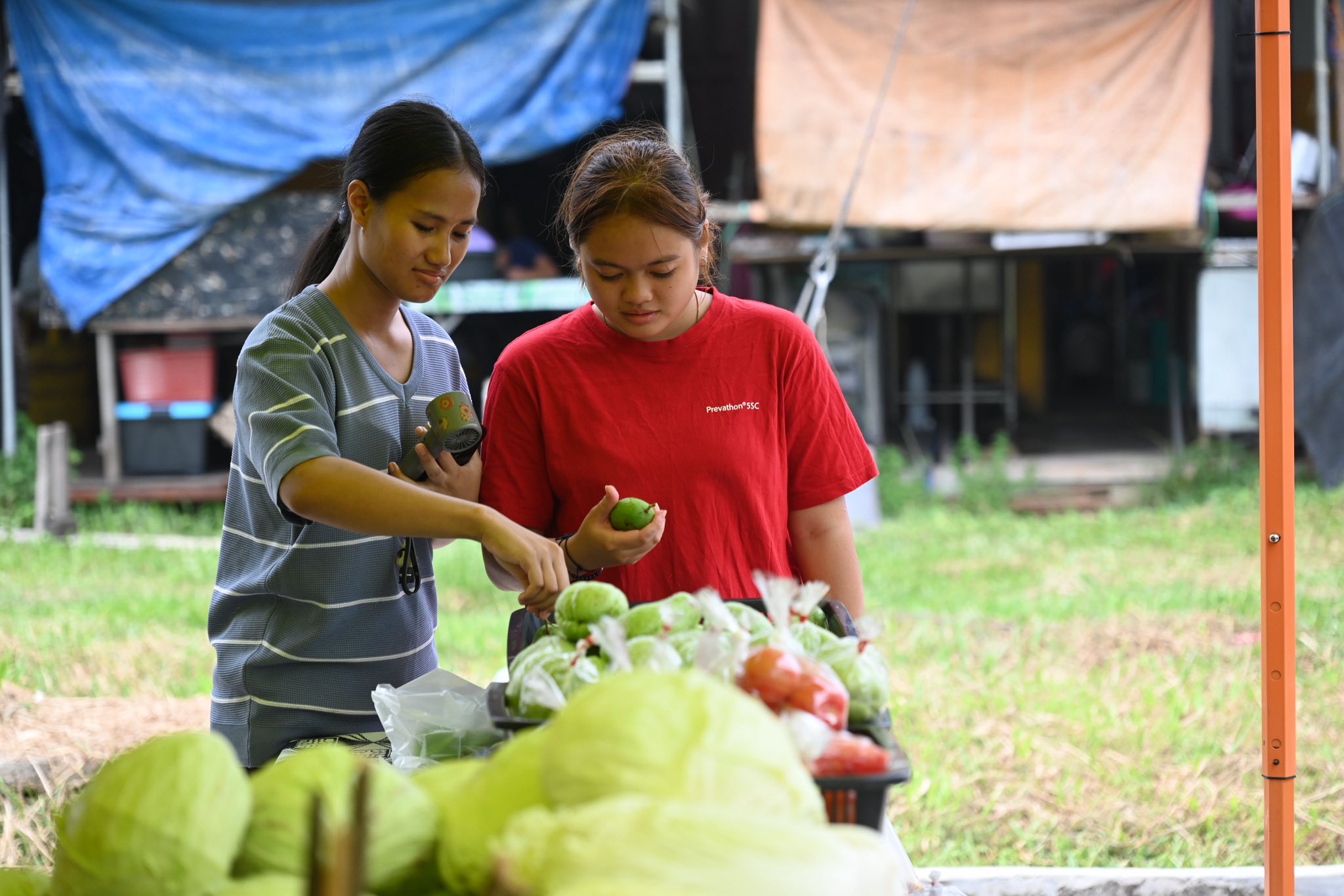
KUALA LUMPUR, Sept 25 — Up to 20 per cent to 50 per cent of fruits and vegetables are lost in Malaysia’s food supply chain due to improper packaging, storage, and transport conditions.
According to the Draft National Food Security Blueprint (NFSB) 2030, which was recently uploaded onto the government’s unified public consultation (UPC) portal, “food loss” is defined as the reduction in edible food mass during production, post-harvest, and processing stages before it reaches consumers.
Contributing factors to Malaysia’s food loss include a lack of adequate knowledge of good handling practices, inefficient handling systems, inadequate infrastructure, and insufficient funding.
“These challenges are further compounded by the lack of a cohesive cold chain infrastructure and inadequate transportation mechanisms, which lead to spoilage during transit, particularly for temperature-sensitive commodities such as dairy, fish, and high-value crops,” said the Draft NFSB 2030 by the Ministry of Agriculture and Food Security (KPKM).
“Additionally, overproduction and inefficient market distribution frequently result in surplus perishable produce being discarded, exacerbating food loss and inefficiency within agricultural supply chains.”
The KPKM report highlighted “systemic deficiencies” in Malaysia’s food supply chain infrastructure that affect every stage, from farm to market, such as the shortage of adequate cold storage facilities, particularly in rural areas.
Only 14 per cent of stakeholders utilise cold storage facilities that are available in some areas, citing barriers like high costs, limited capacity, remote locations, and poor management.
“These limitations ripple through the supply chain, contributing to spoilage during transit and reducing the availability of fresh, high-quality produce.”
Poorly maintained roads and insufficient logistical hubs hinder the timely and efficient movement of goods, driving up operational costs, delaying delivery times, and increasing spoilage rates, noted KPKM’s report.
“Wet markets, which are pivotal for food accessibility in Malaysia, also suffer from obsolete infrastructure and a lack of proper waste management systems, cold storage, and efficient handling processes. These shortcomings compromise food safety and reduce the quality of products reaching consumers.”
Challenges also extend to collection and packing centres, which are often poorly equipped for sorting, packaging, and pre-treatment of produce. As a result, an estimated 27 per cent of fruits and vegetables are sent directly to wholesalers without any post-harvest handling, thereby increasing the risk of losses, said the Draft NFSB 2030.
Land And Water Scarcity For Agriculture
Malaysia’s agricultural expansion is increasingly constrained by the scarcity of arable land, primarily driven by accelerating urbanisation, industrialisation, and the conversion of agricultural areas into higher-value commercial developments, reported the Draft NFSB 2030.
As of last year, more than 103,000 hectares of agricultural land remained idle, mostly in Selangor and Pahang, due to fragmented land ownership, unresolved inheritance issues, and low-productivity land holdings.
The KPKM report called for strategic land-use planning and enhancing soil fertility to ensure that reclaimed land can support high-yield, nutrient-dense crop production.
Although Malaysia benefits from abundant rainfall, the agriculture sector faces “escalating water scarcity” due to increasing competition for water resources, pollution, and climate-related disruptions like droughts and floods, said the NFSB 2030.
The report highlighted outdated irrigation systems, particularly in critical granary areas like the Muda Agricultural Development Authority (Mada) region, that lead to inefficiencies and water wastage.
“Funding shortfalls, such as the RM230 million annual maintenance gap in Mada, exacerbate these issues, resulting in inconsistent water supply for paddy farming,” said the Draft NFSB 2030.
“Climate change compounds these challenges, with frequent droughts, rising temperatures, and erratic rainfall patterns directly affecting crop yields. Additionally, sustainable practices like rainwater harvesting and recycled water systems remain underutilised, despite the country’s high annual rainfall.”
Limited Modern Tech Use By Smallholders
Finally, the KPKM report cited the limited adoption of modern technology, particularly among smallholders and rural producers, as another critical challenge in Malaysian agriculture.
“The adoption of advanced technologies, such as precision agriculture, the Internet of Things (IoT), and digital supply chain tools, is hindered by several factors,” said the Draft NFSB 2030.
“High upfront costs and limited financial support prevent smallholders’ access to these agricultural innovations. A lack of awareness and technical capacity among farmers, coupled with resistance to change among traditional producers, continues to impede the adoption of modern agricultural technologies.
“Furthermore, inadequate digital infrastructure in rural areas impedes the deployment of smart farming systems. These challenges are compounded by fragmented policy initiatives and underfunded R&D, which fail to deliver locally tailored, affordable solutions.”
FTAs Don’t Address Food System Challenges Enough
Malaysia has signed and implemented 16 free trade agreements (FTAs), including the Regional Comprehensive Economic Partnership (RCEP) and the Comprehensive and Progressive Agreement for Trans-Pacific Partnership (CPTPP), both implemented in 2022.
The Draft NFSB 2030 said Malaysia’s FTAs highlighted significant gaps in alignment with principles of food systems diplomacy (FSD), a new approach to global food systems governance that prioritises considerations beyond economic interests.
“While FTAs have enhanced market access and trade collaboration, they do not adequately address key food system challenges, including the promotion of sustainable agricultural practices, reduction of food waste, and mitigation of environmental impacts,” said the Draft NFSB 2030.
“Furthermore, Malaysia’s FTAs do not explicitly include measures to prioritise nutrition and public health. Addressing malnutrition and promoting access to nutrient-rich, locally produced foods requires policies that incentivise their production and ensure their affordability, particularly for vulnerable populations.”


