


The Covid-19 pandemic was an unprecedented crisis that tested health care systems, communities, and individuals worldwide. As a pharmacist on study leave during its early stages, I closely followed the rapidly evolving situation.
With misinformation spreading as quickly as the virus itself, I focused on obtaining reliable information from peer-reviewed scientific studies, public health agencies, and reputable medical sources.
Recognising the growing public confusion and fear, I took an active role in disseminating accurate, evidence-based information to counter misconceptions and improve public understanding.
As the situation escalated, I joined MedTweetMy’s efforts to support health care facilities through donation drives. Alongside other volunteers, we worked to provide essential supplies such as screening tents, cooling units, chairs, and communication devices for patients in isolation.
The overwhelming response from the public highlighted the collective spirit of Malaysians in times of crisis. This experience reinforced the importance of coordinated community efforts in addressing health care challenges.
Beyond on-the-ground efforts, I also contributed to public education through various media platforms. I was invited to speak on several television programmes to address concerns about Covid-19 vaccines, debunk common myths, and clarify the science behind vaccination.

These opportunities allowed me to reach a wider audience, providing clear, factual information to counter misinformation and improve vaccine confidence.
At vaccination centres, I observed recurring concerns and questions from the public. Many individuals were hesitant, not due to outright opposition to vaccines, but due to uncertainty fuelled by misleading information.
To bridge this knowledge gap, I compiled frequently asked questions into a digital resource on Covid-19 vaccination. With the help of friends, the e-book was translated into multiple languages, making it accessible to a broader audience. The guide was widely shared and played a role in helping individuals make informed health decisions.


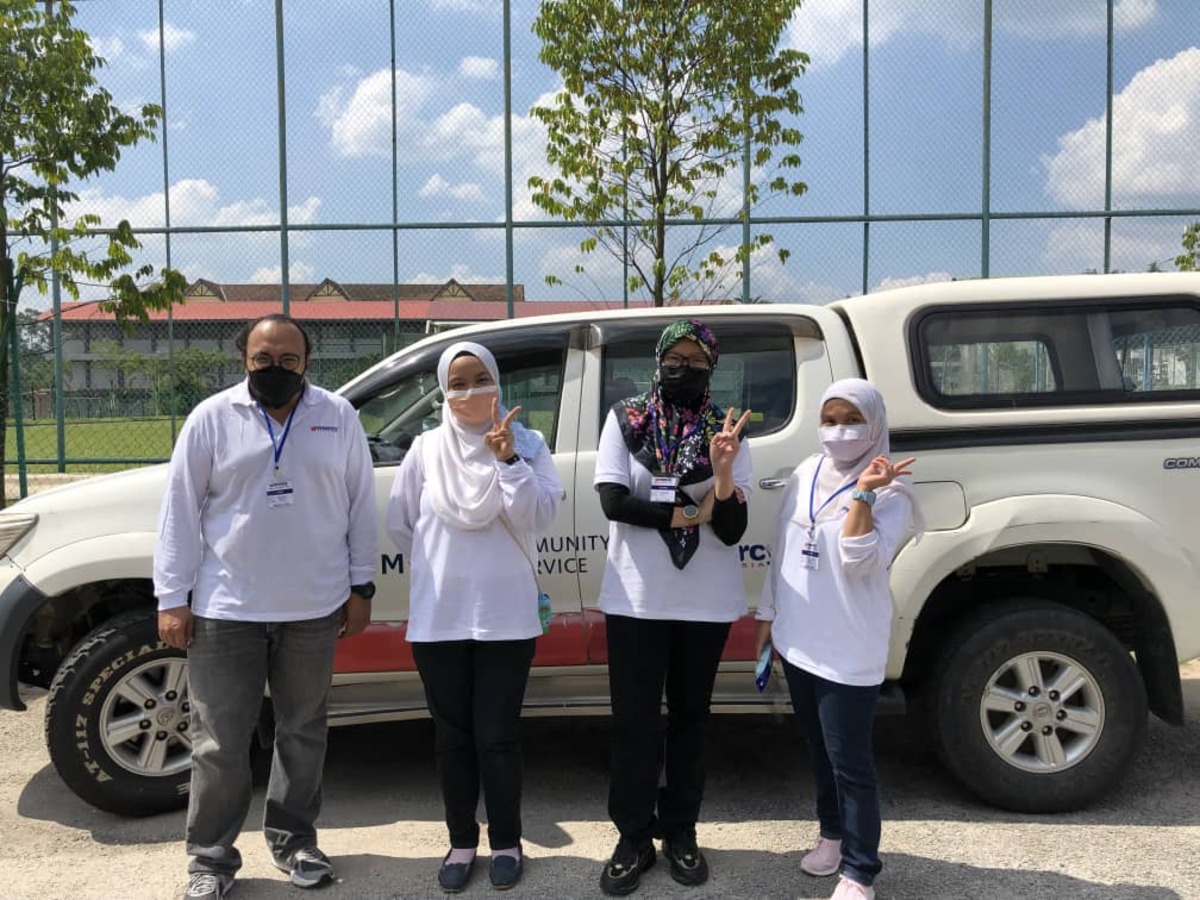
Recognising that some individuals faced mobility challenges, I joined the home vaccination programme organised by Mercy Malaysia and IMARET. This initiative aimed to bring Covid-19 vaccines directly to bedridden and immobile patients who were unable to visit vaccination centres.
These visits underscored the importance of equitable health care access, ensuring that vulnerable populations were not excluded from life-saving interventions.
Despite widespread efforts, the pandemic took a heavy toll. Many famlies, including my own, experienced personal losses. Health care professionals navigated an uncertain landscape, often making critical decisions with limited information.
In hindsight, while not every approach was perfect, responses were shaped by the best available evidence at the time, evolving as new data emerged.


The Covid-19 pandemic reinforced several key lessons. First, public health communication is just as vital as medical intervention. Providing clear, accurate, and accessible information is essential in building public trust and promoting health literacy.
Second, health care is a collective responsibility — effective responses require collaboration across disciplines, institutions, and communities.
Finally, ensuring equitable health care access must remain a priority, particularly for marginalised and high-risk populations.
When I look back, it’s easy to see the mistakes and areas where we could have done better. But it’s important to understand that we were all working with the best evidence available at the time.
We did the best we could, and in the end, we came through it together. That’s something to be proud of.
As we move forward, these lessons should guide health care professionals in strengthening public health preparedness, fostering trust in medical science, and advocating for evidence-based practices.
While the pandemic was a period of immense hardship, it also demonstrated the resilience of communities and the impact of collective action in overcoming global challenges.
Fahmi Hassan is a senior pharmacist, with a PhD in Pharmacy, who enjoys writing, volunteering, and tweeting.
This article is part of a special CodeBlue series marking the fifth anniversary of the World Health Organization declaring Covid-19 as a global pandemic on March 11, 2020.
- This is the personal opinion of the writer or publication and does not necessarily represent the views of CodeBlue.


