

The Malaysian Medical Association (MMA) notes the health minister’s announcement that approximately 63 per cent of medical officers (MOs) offered permanent placements in Sabah and Sarawak have reported for duty.
While we welcome the reported progress, feedback received from our Sabah branch suggests that the figures may not reflect the actual staffing situation on the ground.
Several hospital departments are reportedly experiencing a net reduction in MOs, while some doctors are having to undertake more on-call duties each month, including every-other-day (EOD) calls (on call every alternate day). Public health care doctors work continuously for 33 hours when put on on-call duty.
This raises an important question: are the reported placements translating into an actual increase in doctors serving at health care facilities where they are most needed?
MMA urges the Ministry of Health (MOH) to clarify whether the reported figures include Sabah-born doctors, and MOs originally from Peninsular Malaysia who were already serving in Sabah and have chosen to remain there.
We call on the MOH to provide:
- A detailed breakdown of the MOs who have reported for duty following their permanent appointments, including the number from Peninsular Malaysia, and the specific public hospitals and health clinics in Sabah and Sarawak to which they have been deployed.
- The latest number of MOs originally from Peninsular Malaysia who have left Sabah to return to posts in the Peninsula.
- The number of Sabah-born MOs who have left Sabah to take up posts in Peninsular Malaysia.
- The net increase or decrease in MO staffing at individual hospitals and health clinics following the latest placement exercise.
MMA also reiterates its call for a national health care workforce distribution dashboard, providing regularly updated data on the number, distribution, and staffing gaps of health care personnel across public health care facilities nationwide.
Such transparency is essential for identifying critical shortages, improving workforce planning, and ensuring that health care resources are directed to where they are most needed.
We must also recognise that even with a 63 per cent reporting rate, more than one in three doctors offered placements have not reported for duty. This is a significant gap that warrants serious attention.
MMA reiterates that addressing the manpower crisis in Sabah and Sarawak requires more than placement exercises. Equally important are retention, better working conditions, fair allowances, adequate support, and clear career development pathways.
Ultimately, progress must be measured not merely by the number of doctors reporting for duty, but by whether health care facilities have sufficient manpower to deliver safe, timely, and quality care to the rakyat.
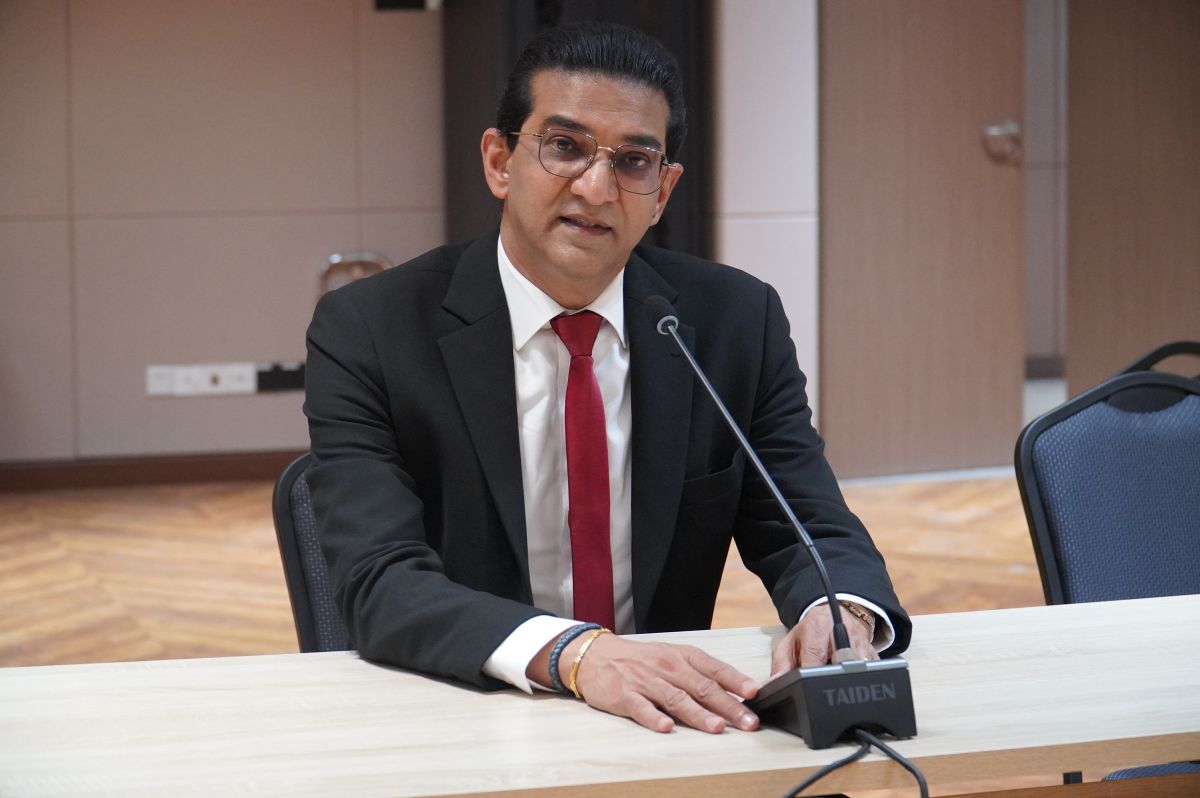
This press statement was issued by MMA president Dr Sivanaesan Letchumanan.
- This is the personal opinion of the writer or publication and does not necessarily represent the views of CodeBlue.


