

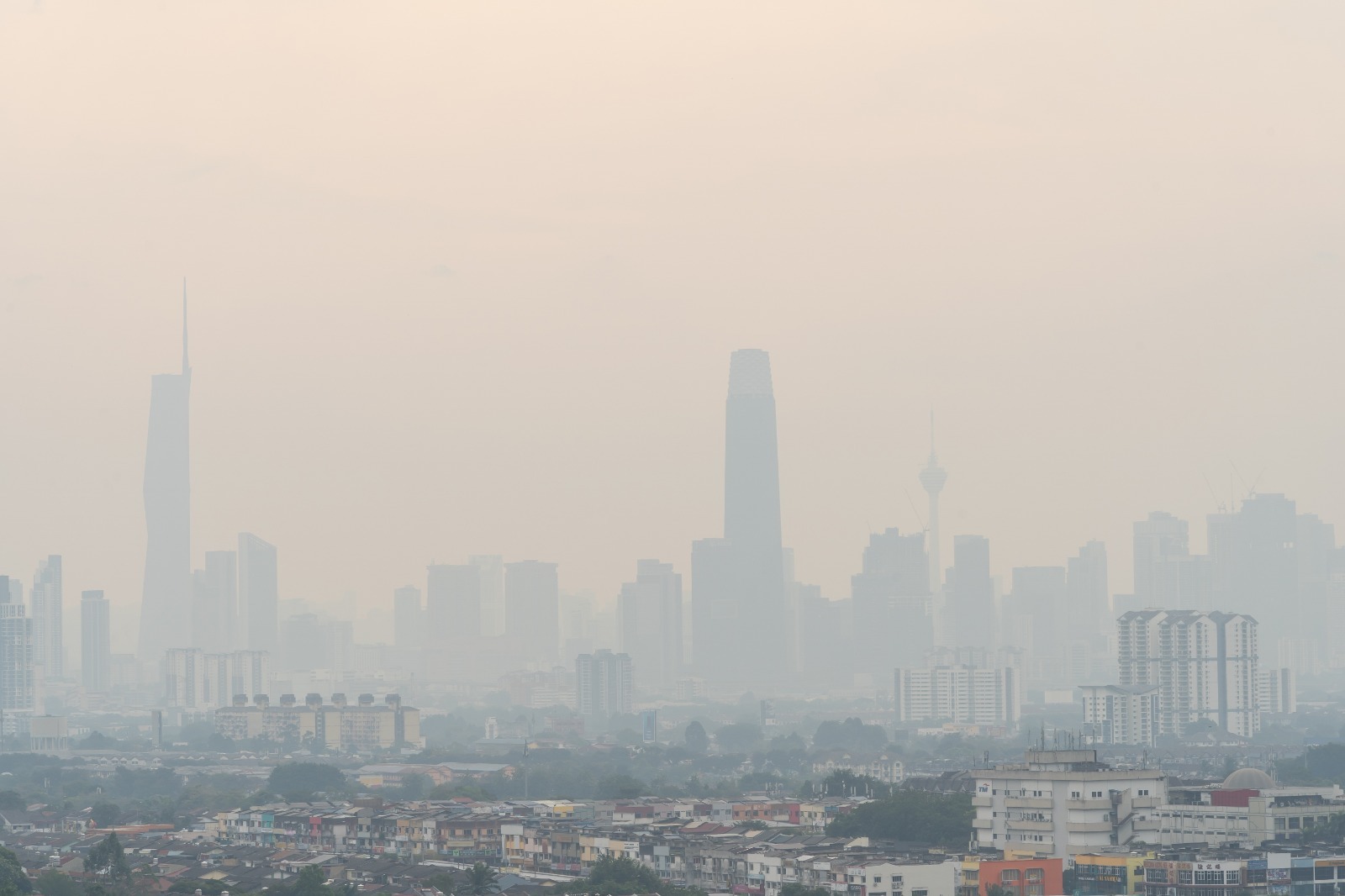
For over a decade, seasonally, Malaysians have been forced to breathe polluted air as transboundary haze blankets our skies.
PM2.5 is one of the most important environmental risk factors for lung cancer, second only to smoking in its global impact. PM2.5 refers to microscopic airborne particles ≤2.5 micrometers in diameter (about 1/30th the width of a human hair).
Because of their small size, these particles can overcome our upper airway defence and penetrate deep into our lungs, leading to chronic inflammation and various respiratory diseases including lung cancer.
Therefore, long-term cumulative exposure to the annual transboundary regional haze like what Malaysians have been exposed to, for over the past decade has to be regarded as a significant health hazard to society.
This elevated risk of developing lung cancer must be taken seriously today, even though it may not manifest immediately, but only years in the future.
Lung cancer remains the leading cancer cause of cancer-related deaths in Malaysia. It is already the second most prevalent male cancer and most common cause of cancer-related mortality.
Among Malaysian women, it is the second most deadly cancer, only after breast cancer. Ambient air pollution including the haze is a well recognised risk factor for lung cancer, particularly in non-smokers.
Every preventative measure possible to reduce the environmental risks of developing this disease should be taken.
Malaysia recently hosted the 17th Asean Health Ministers Meeting (AHMM). As Asean chair, Malaysia must continue to play a pivotal role to deal with this regional health challenge.
Through leadership initiatives and political will, we can and must tackle this perennial man-made problem.
The health of our beloved nation and innocent rakyat must not be gambled with and placed at the mercy of which way the wind blows.
This statement was issued by Prof Anand Sachithanandan (cardiothoracic surgeon), Dr Tho Lye Mun (clinical oncologist), and Dr Hilmi Lockman (consultant respiratory physician) on behalf of Lung Cancer Network Malaysia.
- This is the personal opinion of the writer or publication and does not necessarily represent the views of CodeBlue.


